
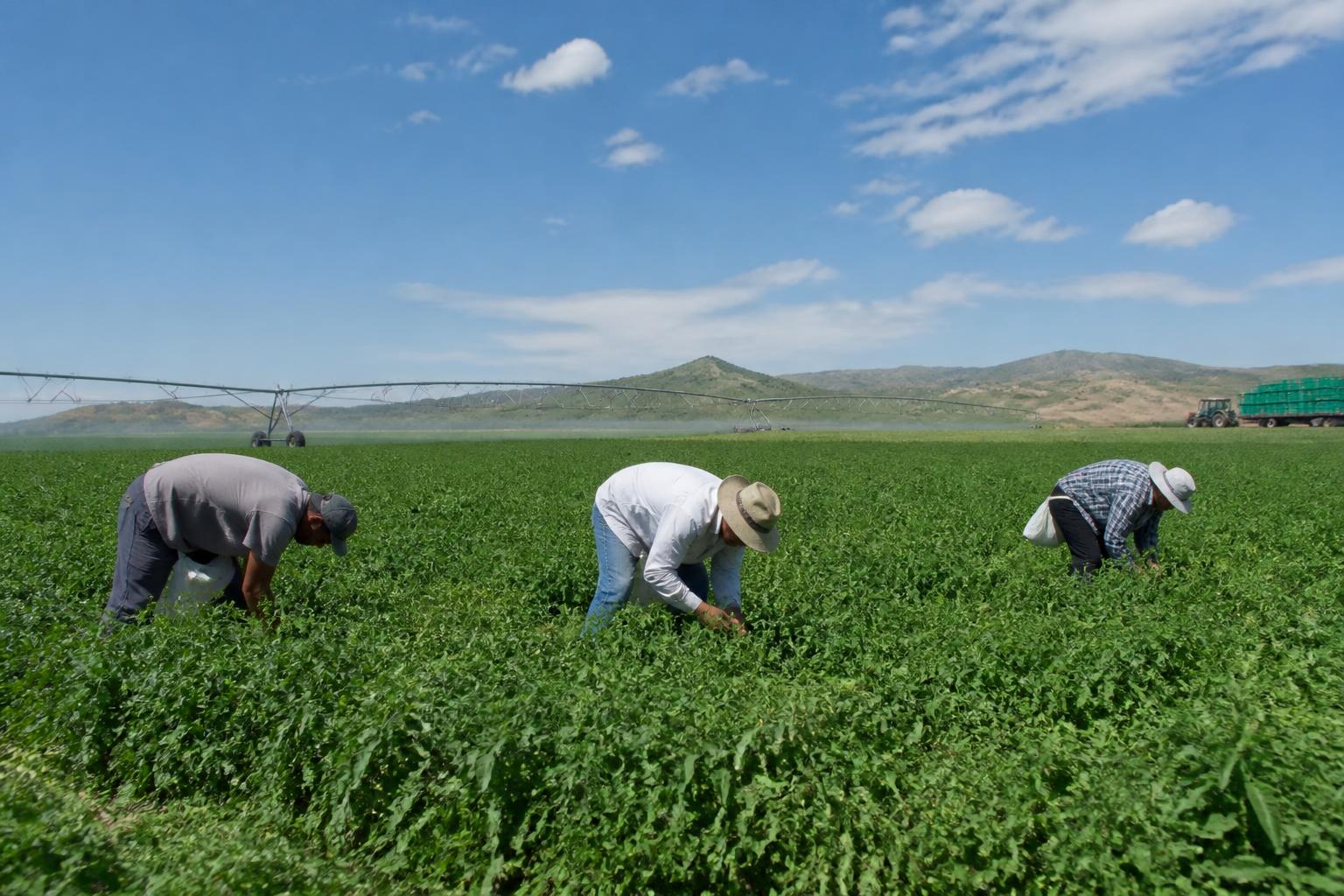
South Dakota producers are currently navigating a late-summer landscape defined by significant moisture shifts. Across the state, from the fertile corridors of the James River Valley to the productive fields near the Nebraska border, recent rainfall has provided a much-needed boost to crop development. While this moisture supports yield potential, it also demands heightened attention to late-season management practices.
As the growing season enters this critical phase, farmers are increasingly focused on protecting the progress made throughout the summer. Effective management of fields is vital to ensure that yield gains are not lost to late-season pressure or disease. For those working to maximize crop protection and manage labor, the current environmental conditions require a nimble approach to field scouting and input application.
Managing Field Health in Changing Conditions
With moisture levels currently supporting strong development, the threat of pests and fungal issues can change rapidly. Producers are often finding that timing is everything when it comes to application windows. Navigating wet field conditions while attempting to maintain protective coverage can be challenging, particularly when soil moisture restricts machinery access in some low-lying areas.
Successful management strategies in South Dakota often involve a combination of rigorous monitoring and strategic resource deployment. As crop maturity accelerates during these warm August days, prioritizing high-value acres is a common tactic to ensure the best possible return on investment as harvest approaches.
What it means for the market
The convergence of favorable weather and proactive crop protection is essential for South Dakota’s grain output. For local elevators, logistics providers, and input suppliers, this means maintaining readiness for an active harvest season. If the current moisture trends hold, regional yields may reflect these positive conditions, potentially shifting local basis levels as bins fill and logistics networks prepare for the fall surge. Operators should remain prepared for variable conditions that could influence the speed and efficiency of the upcoming harvest transport window.
Comments
No comments yet - be the first to share your take.