
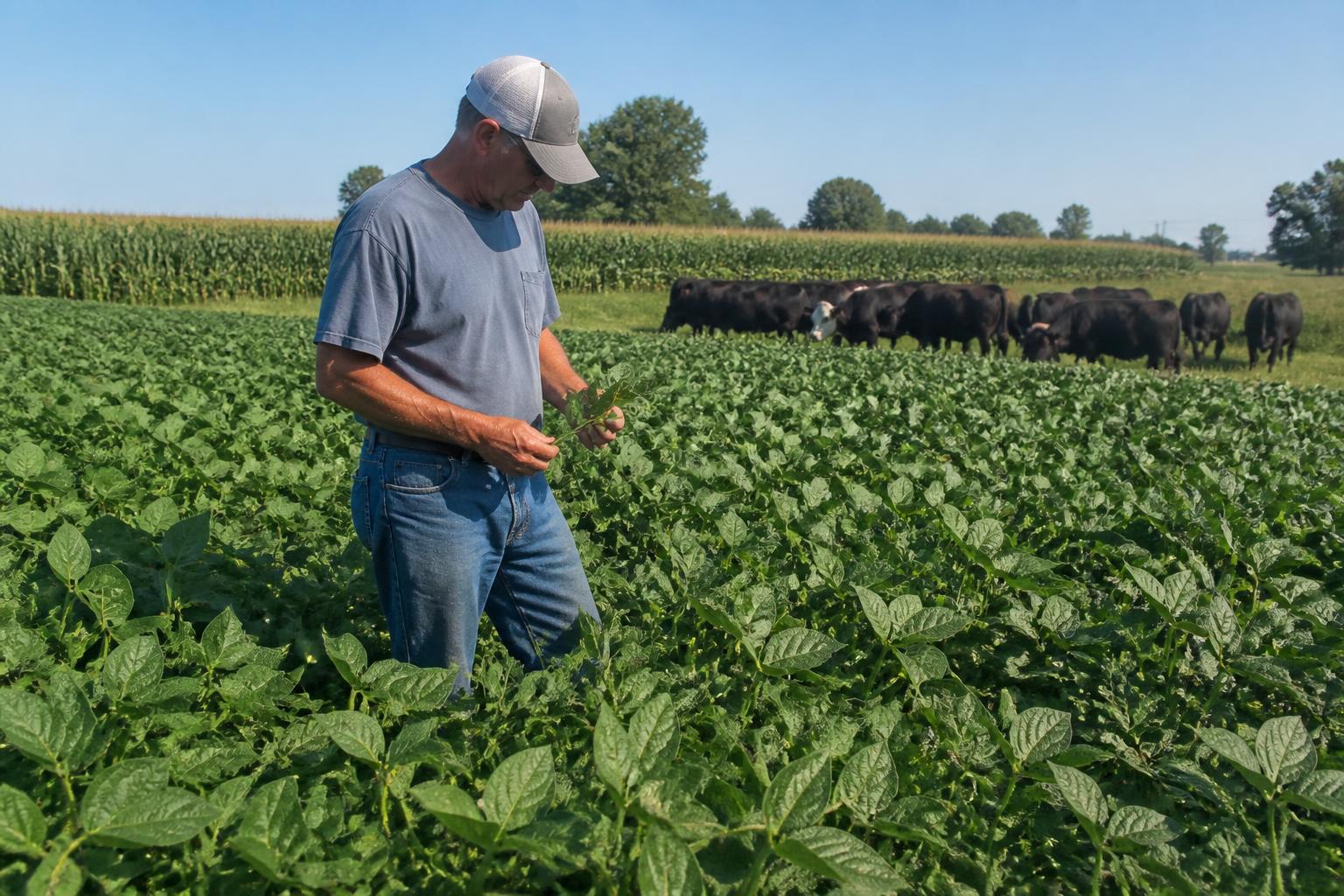
Missouri producers are currently navigating a complex mid-summer landscape, balancing active crop management with heightened vigilance regarding livestock health. As the season progresses, maintaining operational security and asset protection remains a top priority for agribusinesses across the state, from the fertile river bottoms to the rolling hills of the Ozarks.
Livestock Health and Biosecurity Focus
Recent attention has turned toward enhanced biosecurity measures following reports of potential external health threats, such as the New World screwworm. For cattle producers, this season requires a rigorous approach to herd monitoring and preventative care to maintain stability. Managing cattle health effectively is not only essential for animal welfare but is a fundamental component of ensuring long-term sustainability within the state's beef industry.
Crop Progress and Market Observations
With mid-summer field evaluations now underway, attention has shifted to USDA crop quality ratings for corn and soybeans. These metrics provide critical data for grain handlers and producers as they prepare for the logistical demands of the upcoming harvest. As regional markets react to changing weather patterns and broader futures trends, local operators are advised to stay informed on impending harvest flux and how it may impact local facility throughput.
Policy and Operational Oversight
Beyond field and herd management, the broader agricultural policy environment remains under scrutiny. Discussions at recent crop conferences have highlighted the intersection of farm-level budget planning and the evolving regulatory landscape. Whether dealing with traditional crop production or navigating standardized weighing and sales protocols, clarity in oversight is vital for maintaining market integrity.
What it means for the market
The current Missouri market environment emphasizes the need for proactive risk management. Producers should prioritize biosecurity, keep a close watch on regional infrastructure updates, and remain agile as seasonal weather and policy shifts continue to influence input costs and production outlooks.
Comments
No comments yet - be the first to share your take.