
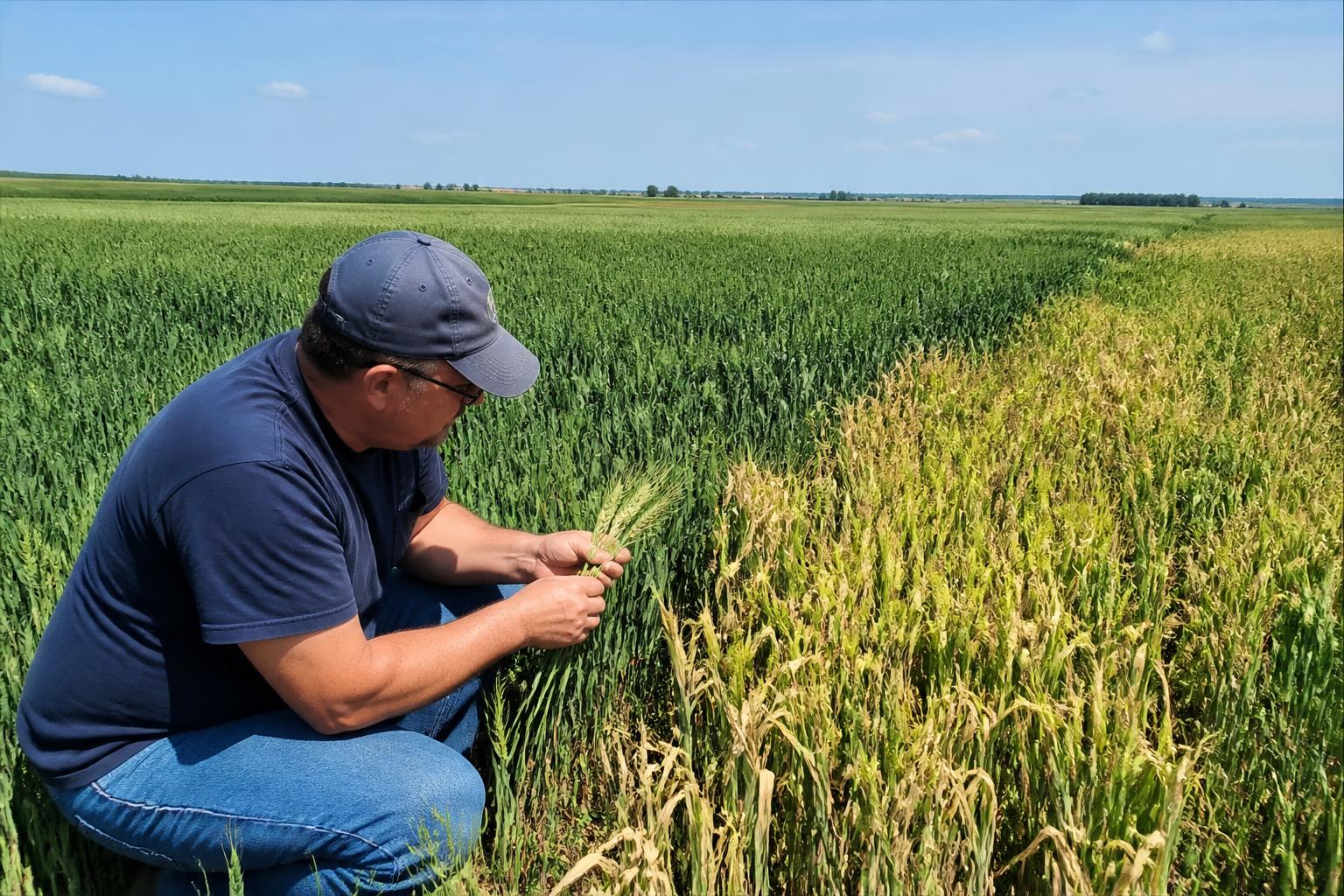
Mid-summer in Oklahoma brings a complex set of challenges for growers, ranging from intense heat management to the ongoing battle against crop-damaging weeds. As fields reach critical growth stages, many operators are re-evaluating their protection strategies to ensure that input investments translate into viable harvest outcomes. Effective grain handler collaboration remains vital during this period to ensure that protected crops move efficiently through the supply chain.
Innovative solutions, such as biologicals designed to boost nutrient use efficiency, are gaining traction across the state. These tools, often developed through partnerships between large agricultural firms and specialized biotech entities, aim to maximize the return on fertilizer applications. For producers managing diverse soil profiles across Oklahoma, these biological alternatives are becoming an increasingly popular component of season-long crop maintenance programs.
Refining Weed Control in Wheat and Row Crops
Weed pressure remains a persistent threat to yield stability. While field day demonstrations across the region have highlighted various mechanical and chemical weed control strategies, growers are increasingly cautious about off-target movement. Reports of drift-related damage continue to circulate, emphasizing the need for precision in application timing and equipment calibration during the summer months.
Maintaining strict field-level protection protocols is not just about immediate results; it is a critical step in preserving the marketability of the crop. As logistics remain a significant cost driver, preventing yield loss due to weed competition or improper chemical application is essential for maintaining margins.
Integrated Approaches to Input Costs
Input management is now more than just choosing the right herbicide or fertilizer; it is about strategic timing. With input prices remaining a significant factor in seasonal budgeting, analyzing fertilizer trends and energy costs has become a routine part of mid-season planning for many local agribusinesses. By utilizing more efficient biological stimulants and optimizing application windows, producers can mitigate some of the financial volatility associated with rising operational costs.
What it means for the market
For the Oklahoma producer, the focus remains on resilience. By adopting integrated crop protection strategies—combining new biological efficiencies with traditional weed management—farmers are better positioned to weather the current economic climate. Protecting the standing crop from both biological threats and avoidable environmental stress is the most effective way to secure a profitable position when harvest arrives.
Comments
No comments yet - be the first to share your take.