
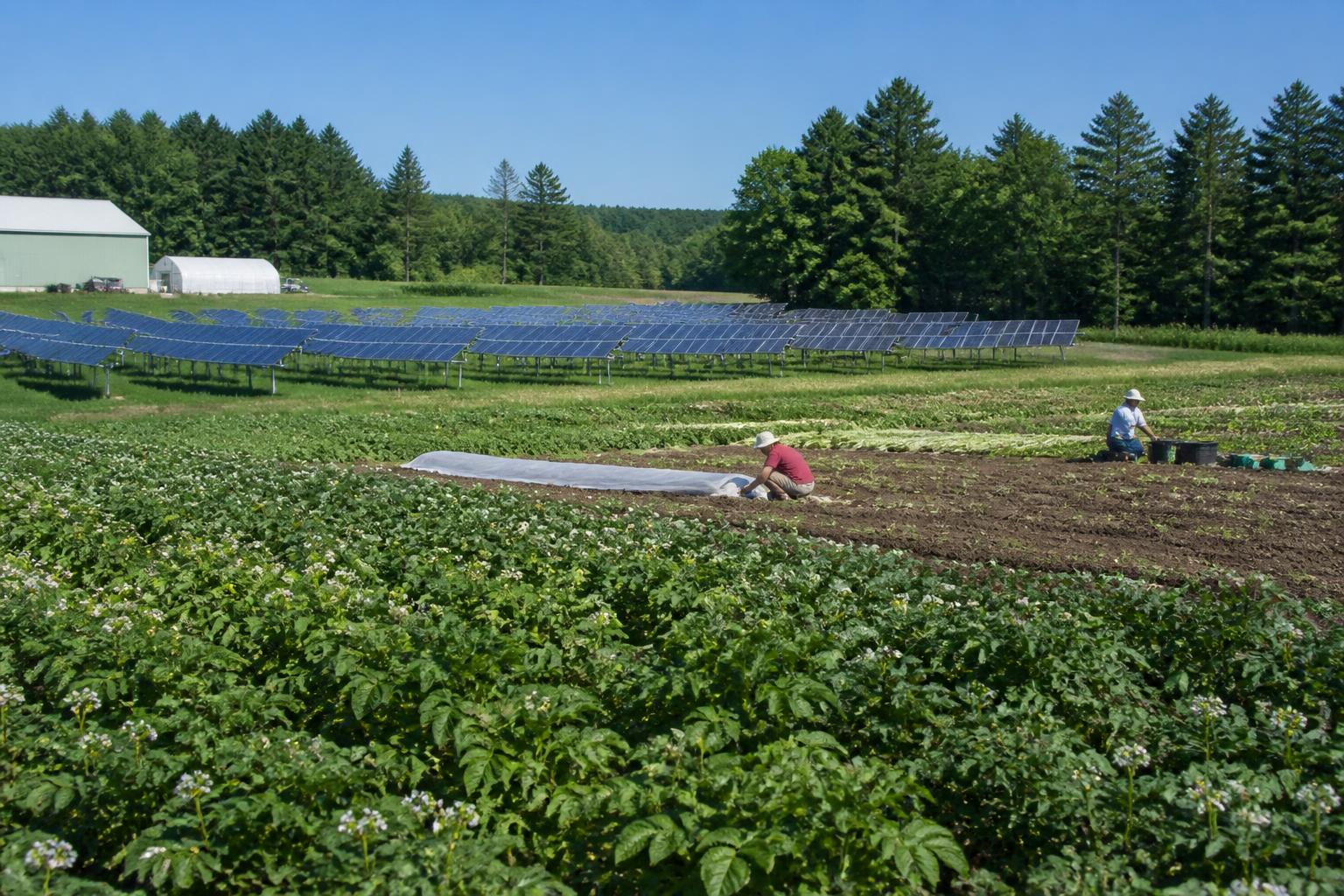
Maine's agricultural sector remains in a period of transition as summer production reaches its seasonal height. Farmers across the state are focusing on critical crop maintenance while managing external pressures that influence long-term viability. From the iconic wild blueberry barrens to regional potato acreage, the push for operational efficiency is defining this year's activity.
As producers work through the summer, they are increasingly navigating complex regulatory and operational shifts that impact everything from labor management to land use. These hurdles are coupled with ongoing conversations regarding the intersection of traditional farming and renewable energy development, which has sparked significant dialogue about the future of Maine's rural landscapes.
Managing Land-Use and Resource Protection
The competition for arable land remains a primary point of interest for many Maine agribusinesses. As interest in solar infrastructure grows, the industry is grappling with how to balance potential energy income with the need to protect soil health and keep legacy farms productive. This land-use tension is occurring alongside persistent efforts to maintain agricultural competitiveness, as land protection and strategic growth become central pillars for sustaining the state's diverse agricultural economy.
Operational Focus in the Field
Efficiency remains the watchword for growers as they monitor crop development during the heart of the season. Whether it is refining irrigation strategies or addressing pest management, producers are increasingly turning to smarter farming techniques to stay ahead of market and climate-related volatility. These operational refinements are essential, particularly as regional sectors—such as broccoli production and potato cultivation—continue to adapt to changing seasonal patterns and market demands, as noted in previous mid-summer assessments of Maine agricultural pressures.
What it means for the market
The current environment suggests a shift toward more integrated risk management for Maine farmers. While production remains robust, the ability to secure viable land and navigate the evolving regulatory framework will likely dictate success in upcoming cycles. Stakeholders should monitor both state-level policy discussions and federal aid programs that may provide a safety net for vulnerable specialty crops, as these will be key drivers for sector stability in the coming months.
Comments
No comments yet - be the first to share your take.