
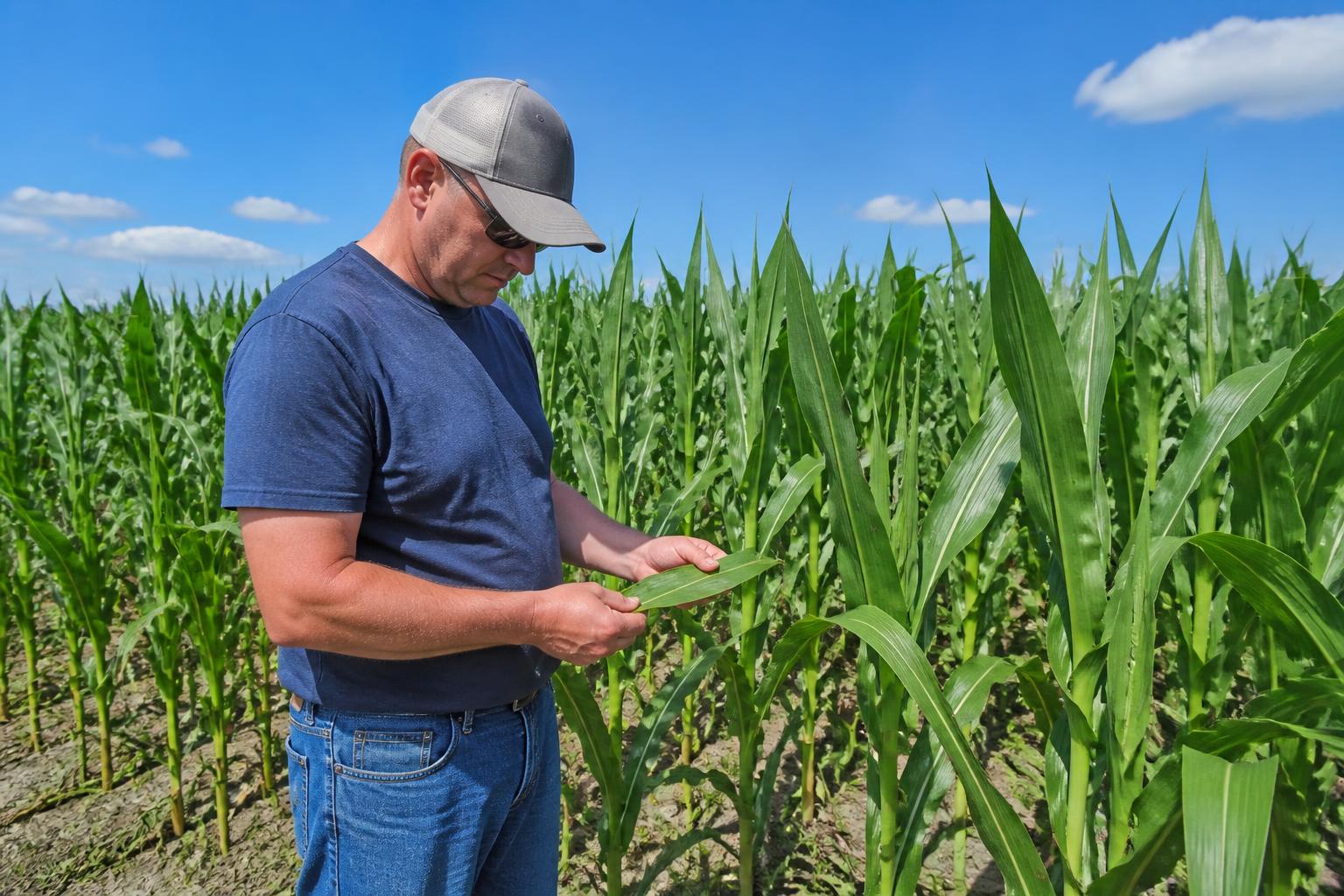
Mid-season crop management in Kansas has taken a defensive turn as reports of tar spot surface in local cornfields. With the summer growing season entering a critical phase, agronomists and industry experts are urging producers across the state to prioritize field scouting. Early detection remains the most effective tool for managing disease pressure that could otherwise compromise grain fill and overall yield potential.
For growers evaluating their protection strategies, it is essential to monitor canopy health closely as high-humidity conditions persist in many regions. Staying ahead of fungal pathogens requires consistent field walks and an understanding of how local moisture levels may influence the spread of disease in specific, sheltered corn pockets.
Input Costs and Market Oversight
Beyond field-level disease management, Kansas corn producers are maintaining pressure on broader economic fronts. The Kansas Corn Growers Association has recently signaled its support for initiatives aimed at expediting federal probes into fertilizer markets. This push for increased transparency highlights ongoing concerns regarding input accessibility and pricing fairness, which remain primary considerations for farmers looking to balance operational budgets during the current production cycle.
Tactical Steps for Late-Summer Protection
- Increase the frequency of field scouting in areas with high canopy density.
- Document localized disease outbreaks to inform future treatment decisions.
- Stay informed on regional policy developments regarding supply chain and input costs.
What it means for the market: The combination of emerging plant health challenges and ongoing advocacy for input market accountability creates a complex environment for Kansas producers. While field-level vigilance can help mitigate immediate yield losses from diseases like tar spot, the persistent focus on fertilizer market investigations underscores the industry's commitment to stabilizing long-term production costs. Growers should continue to weigh these operational risks against their current crop protection budgets to navigate the remainder of the summer season effectively.
Comments
No comments yet - be the first to share your take.