
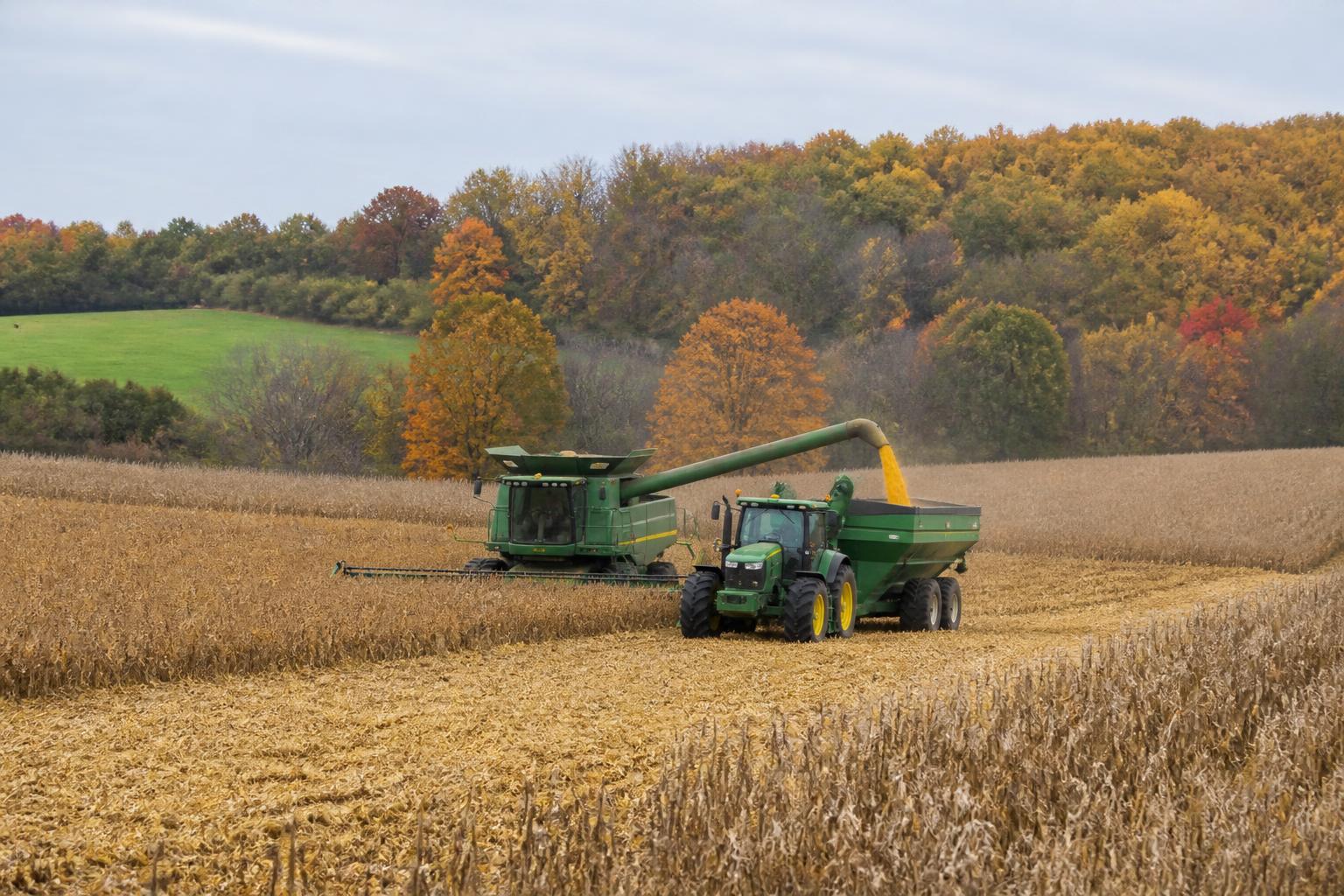
With the harvest season well underway across Maine, growers are increasingly turning their attention from immediate yield goals toward the protective measures necessary for next year's success. The late fall window provides a critical opportunity to assess field conditions, manage soil integrity, and address the varied pressures impacting regional crop health. As temperature fluctuations become more frequent, stabilizing the land against erosion and nutrient leaching remains a top priority for producers focused on long-term sustainability.
Operational resilience is currently being tested by a combination of seasonal shifts and evolving land-use challenges. Many farmers in the state are balancing standard post-harvest field maintenance with more specialized oversight of soil quality, particularly in areas where recent weather patterns have impacted water tables or created localized drainage issues. Implementing proactive management strategies is essential as growers navigate these complex variables to ensure that their assets remain viable for upcoming seasons.
Prioritizing Soil Health and Asset Security
For those managing diverse operations, the current season emphasizes the importance of protecting the underlying resource base. This includes cautious evaluation of input applications and the use of cover crops to maintain soil structure during the upcoming winter dormancy. While the regulatory and operational landscape continues to evolve, the core objective remains the same: safeguarding the productive capacity of the soil. Field teams are encouraged to maintain meticulous documentation during these final weeks of activity, as accurate data serves as the best foundation for future risk mitigation plans.
What it means for the market
For the Maine agribusiness sector, the shift toward proactive protection signals a market that is increasingly data-driven and risk-averse. As producers prioritize durable management practices over short-term gains, suppliers of soil health products and conservation-oriented equipment may see sustained interest through the end of the year. For the broader grain and specialty crop markets, this focus on stability serves as a hedge against the mounting unpredictability of seasonal weather cycles and shifting environmental standards.
Comments
No comments yet - be the first to share your take.