
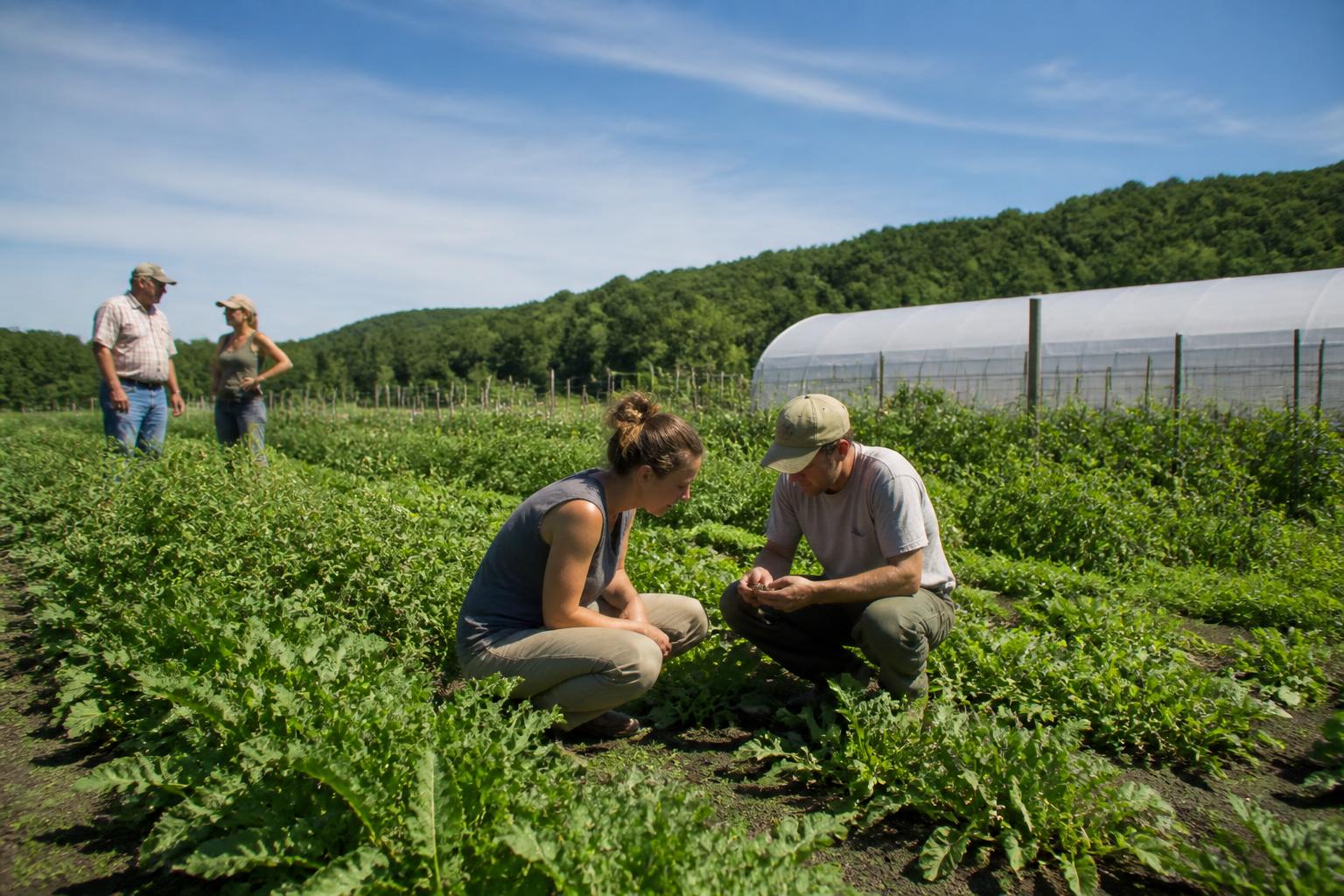
Adapting to Evolving Input Standards in Vermont
Vermont producers are currently facing a shifting landscape regarding the procurement and utilization of agricultural inputs. Discussions around pesticide-treated seeds have become a focal point for many in the state, prompting farm operators to consider the long-term viability and operational impacts of moving toward alternative seed options. This transition requires a careful balancing of agronomic needs with emerging regulatory and environmental expectations.
Evaluating Operational Resiliency
For many operations, particularly those focused on long-term sustainability, managing seed choices is deeply linked to overall farm health. Growers are often exploring evolving input standards to better align with current market requirements. As farmers in the Champlain Valley and other productive regions evaluate their next season's procurement, the availability and effectiveness of untreated seed stock remain critical variables.
Understanding these shifts is part of a broader trend of evaluating resilient strategies to mitigate risk. Maintaining productivity while adapting to changing inputs often requires close collaboration between local agronomists and supply chain partners. Producers who have proactively researched the impact of these changes are better positioned to maintain output stability in an era of tightening input regulations.
The Role of Rural Representation
Beyond technical input management, the agricultural sector in Vermont is increasingly focused on ensuring rural voices are represented in policy decisions. As the debate over seed treatment regulations continues, the push for practical, farmer-led solutions is gaining momentum. Whether managing livestock feed through new digital procurement tools or adjusting planting strategies, the ability of Vermont farms to influence regional agricultural policy is essential for maintaining a competitive edge.
What it means for the market
The market for agricultural inputs is showing a clear trend toward greater transparency and reduced reliance on standard chemical treatments. For Vermont farmers, this means early planning for the next planting cycle is more important than ever. By focusing on site-specific soil health and diversified sourcing, businesses can build the necessary operational buffer to thrive despite regulatory uncertainty. Staying informed on these trends will be vital for managing costs and maintaining high-quality yields in the coming harvest years.
Comments
No comments yet - be the first to share your take.