
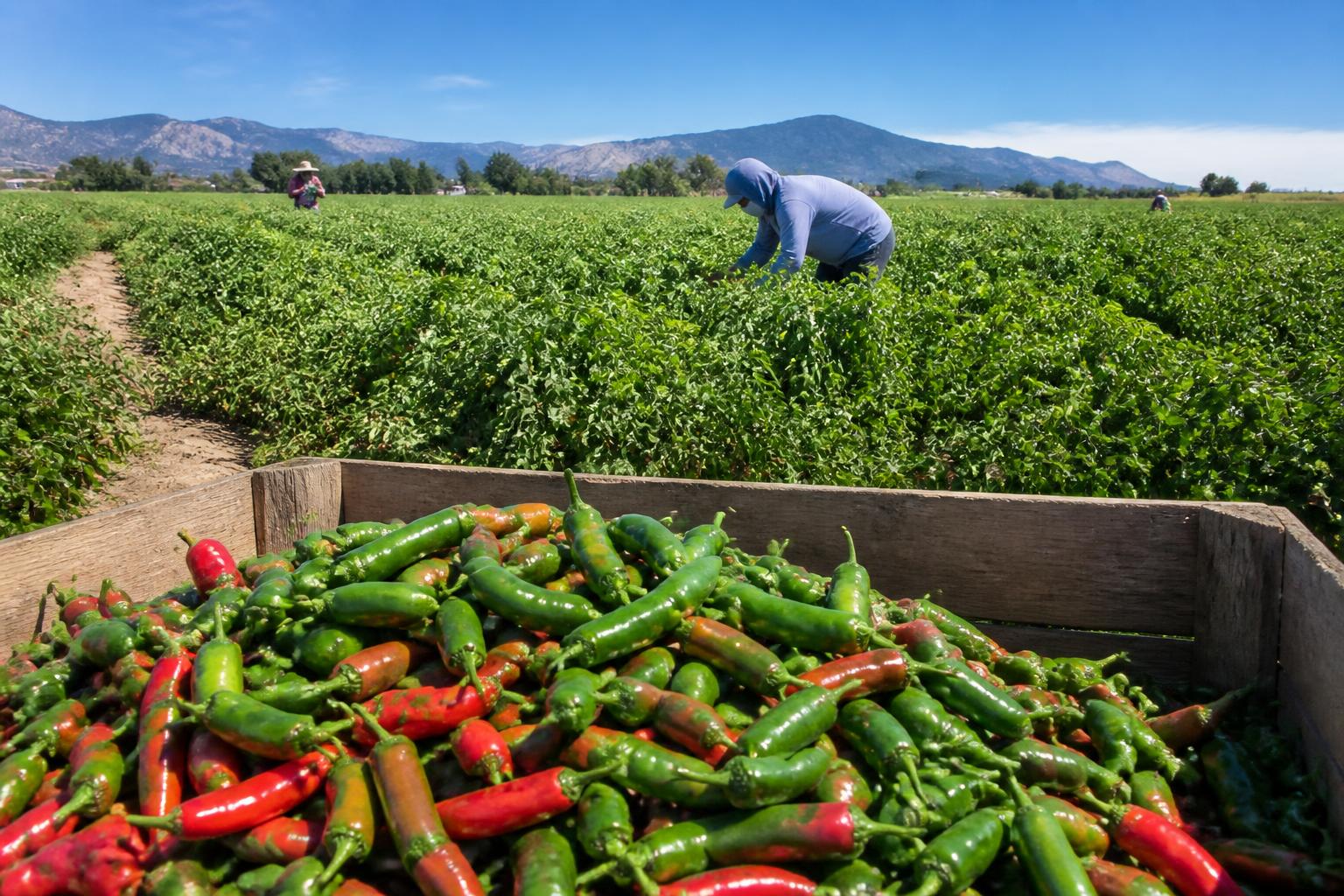
For many New Mexico farmers, the current summer season is a time for both operational vigilance and strategic planning. As the state's agriculture sector continues to face a complex landscape, producers are paying close attention to how federal legislative efforts and international supply chains might impact their bottom line in the coming seasons.
Specialty crop farmers, in particular, are evaluating how potential support mechanisms could stabilize their operations against rising costs. Recent interest in legislative support for these unique regional crops highlights a growing focus on securing the future of New Mexico's agricultural identity. This comes at a time when growers are also adjusting their protection strategies to mitigate risks from both external market pressures and shifting environmental conditions.
Input Market and Trade Considerations
The regional fertilizer market remains a central point of interest for local agribusinesses. With neighboring trade partners investing heavily in production capacity, there is cautious optimism regarding potential improvements in supply chain connectivity. Producers are encouraged to monitor these developments closely, as changes in regional availability often correlate with price volatility during critical application windows.
Furthermore, livestock producers across the state continue to manage the nuances of cross-border trade, which has remained a vital component of the regional economy. Maintaining rigorous standards in cattle health and movement is essential, as any disruption in trade protocols can have immediate, cascading effects on local feedlots and processing facilities.
What it means for the market
For New Mexico agricultural businesses, the key to navigating the next few months lies in operational flexibility. With federal and regional policies in flux, maintaining a diversified input strategy and staying informed on cross-border logistics will be critical. Producers should focus on strengthening their local supply networks while preparing for potential changes in the regulatory environment that could influence both input costs and market access for specialty commodities.
Comments
No comments yet - be the first to share your take.