
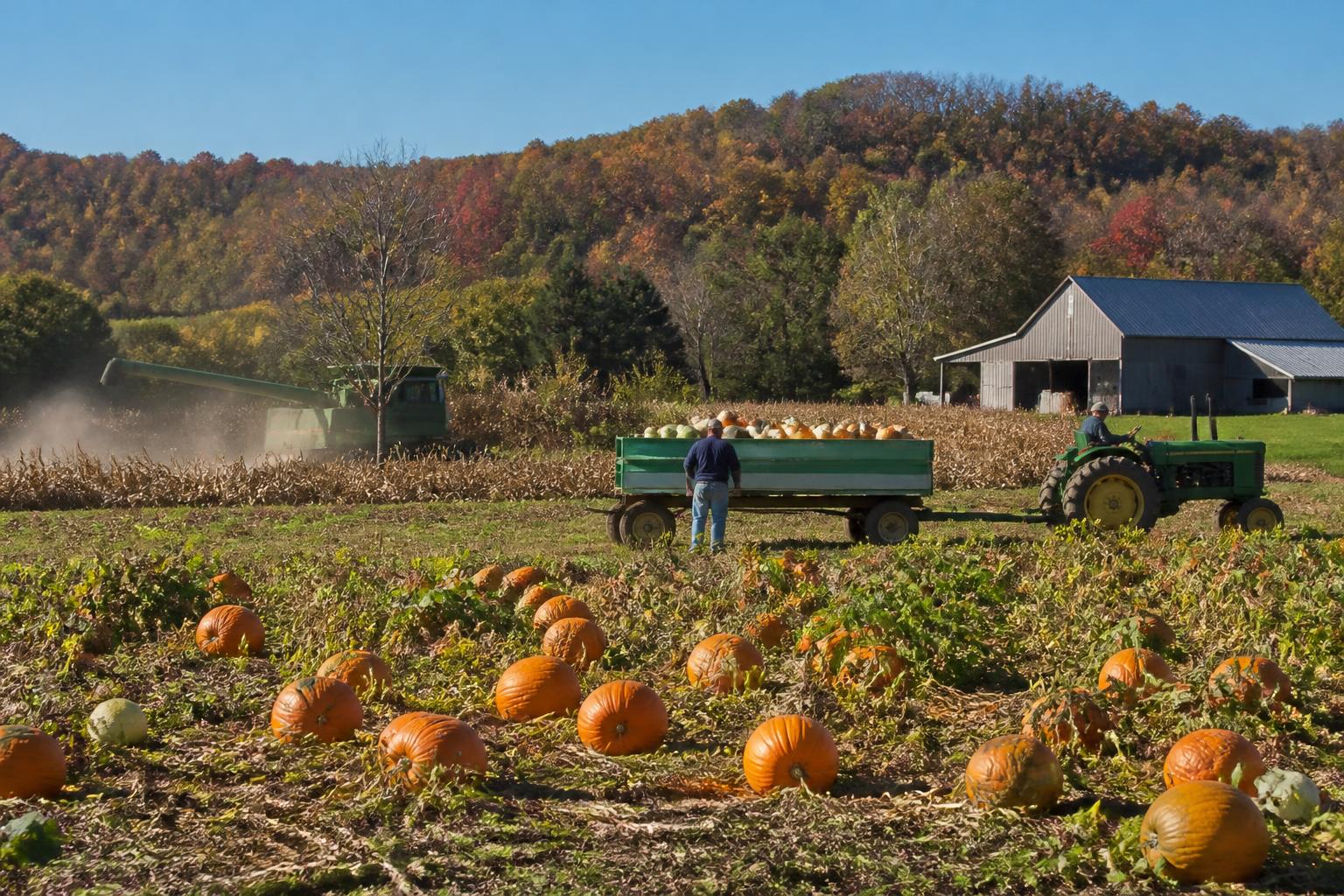
For agricultural operators across West Virginia, the fall season represents a critical window where logistics efficiency and crop protection must remain at the forefront of daily decision-making. As the harvest cycle progresses, producers are contending with more than just the usual logistical hurdles; they must now account for unpredictable weather transitions that can complicate field access and post-harvest storage.
Managing Seasonal Climate Risks
As we enter mid-October, the possibility of sudden temperature drops requires vigilance among grain handlers and livestock managers alike. While farmers typically prepare for standard autumn transitions, erratic weather patterns can impact field access and transport efficiency across the state’s hilly terrain. Protecting inputs and harvested inventory from sudden frost events remains a priority for those operating near major corridors where moisture accumulation can often lead to hazardous road conditions for heavy transport equipment.
Operational Awareness and Infrastructure
Maintaining clear lines of communication regarding infrastructure security continues to be vital for agribusinesses. With recent regional discussions focusing on budget allocations and policy stability, producers should ensure their own local assets—including storage facilities, grain bins, and machinery depots—are well-secured against both environmental damage and theft. Whether operating in the Potomac Highlands or near the Ohio River, reliable infrastructure is the backbone of a successful season.
What it means for the market
For the West Virginia agricultural sector, the coming weeks are about balancing high-volume transport requirements with the necessity of safeguarding assets against volatile fall weather. Producers who prioritize preventative maintenance on machinery and maintain flexibility in their logistics scheduling will be better positioned to navigate potential disruptions. As markets react to broader regional shifts, keeping a close watch on local weather forecasts and regional road conditions remains the most effective strategy for preserving harvest margins.
Comments
No comments yet - be the first to share your take.