
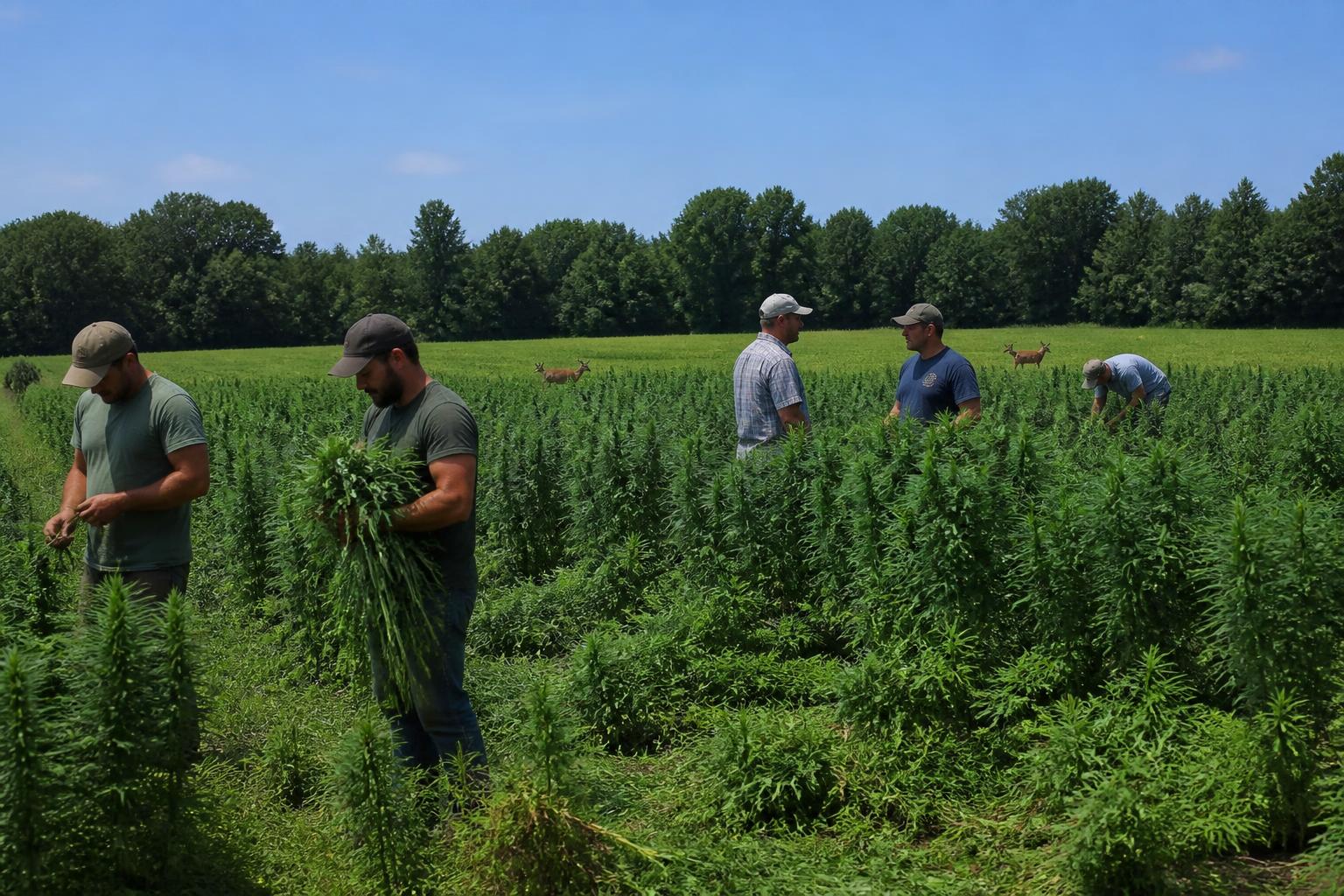
Kentucky producers are navigating a summer of distinct operational shifts as infrastructure developments coincide with the ongoing need for robust crop management. With recent reports highlighting significant new investments in fertilizer production facilities in Hopkinsville, the regional supply chain may see enhanced local access to critical inputs. This development is expected to support long-term production stability for grain and specialty crops across the Commonwealth.
Adapting to Environmental Pressures
As mid-summer temperatures climb, many specialty growers are adjusting harvest schedules to protect crop quality and mitigate the impacts of extreme heat. These proactive strategies, while requiring logistical flexibility, are essential for maintaining market viability during volatile summer windows. Managing crop health through targeted input strategies remains a primary concern as producers look to secure yields in a challenging climate.
Integrated Risk and Operational Stability
Beyond traditional weather-related adaptations, producers continue to address broader structural issues, including the rising pressure from local wildlife populations on crop fields and the ongoing need for secure market channels for emerging specialty crops. As stakeholders analyze how these variables impact bottom lines, many are reassessing their approach to risk management and long-term farm sustainability to ensure operations remain competitive.
What it means for the market
For Kentucky agribusinesses, the combination of new regional fertilizer infrastructure and evolving field-level management practices signals a period of modernization. Operators who leverage local supply efficiencies while maintaining rigid protection protocols against heat and pests will be best positioned to navigate the remainder of the growing season. Keeping a close watch on regional infrastructure shifts will be vital for those looking to optimize input costs and distribution logistics in the coming quarters.
Comments
No comments yet - be the first to share your take.