
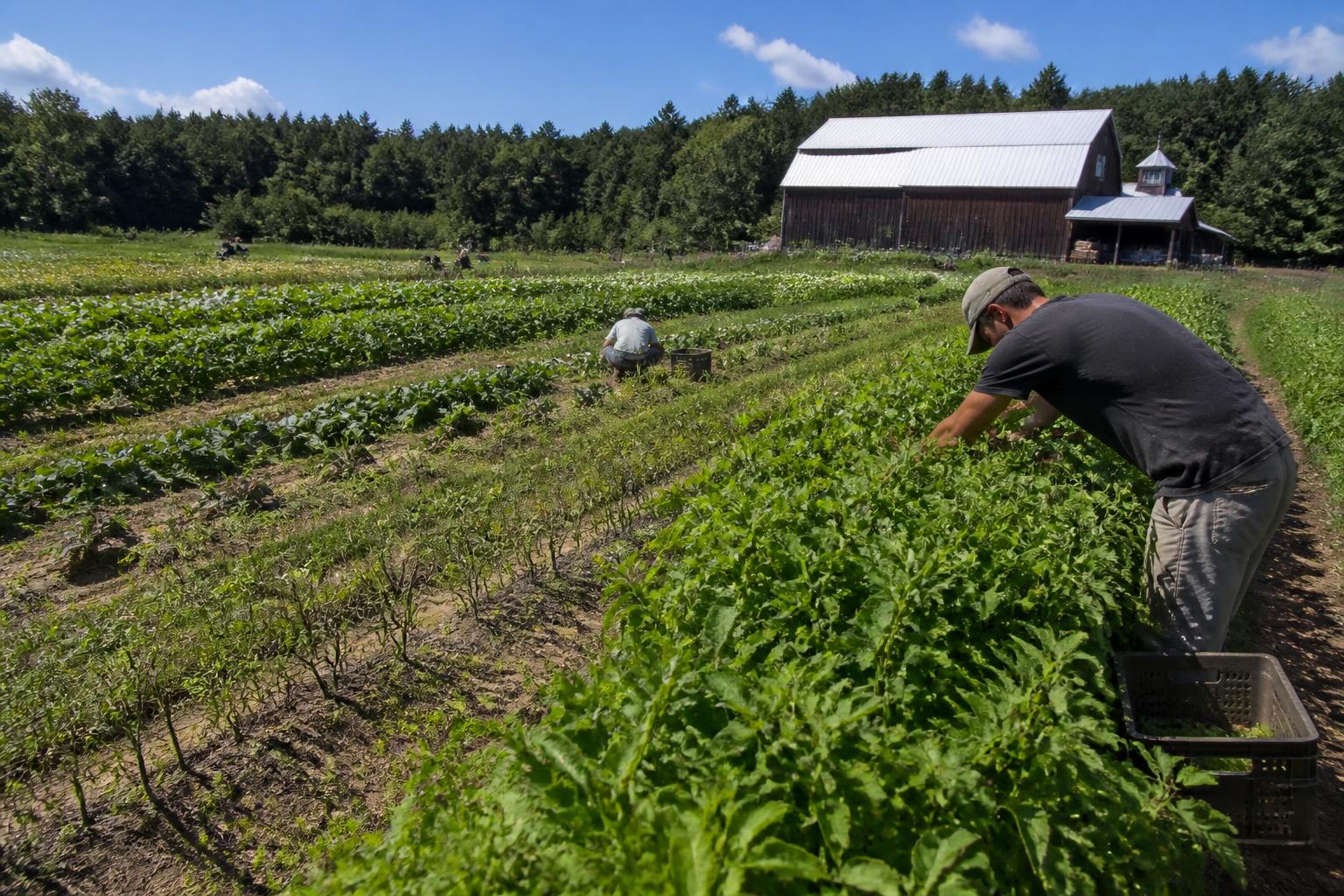
As we navigate the heart of the summer season, New Hampshire growers and producers are keeping a close watch on the operational shifts shaping the state's agricultural landscape. With harvest activities ramping up across the region, the focus remains on fortifying the local food system, from enhancing regional grain and local ingredient supply chains to streamlining meat processing standards.
For many producers, the current environment emphasizes the importance of resource management. As operations seek to balance growth with sustainability, addressing infrastructure constraints has become a central theme for agribusinesses looking to scale their reach within the state.
Operational Resilience and Regional Markets
Statewide efforts are increasingly concentrated on building a robust framework for local growers. This includes ongoing investments in research and the integration of sustainable technologies, such as certified greenhouse operations, which provide a controlled environment for consistent year-round production. These initiatives aim to mitigate the unpredictable nature of regional weather and provide a more stable market pathway for local farm products.
Furthermore, legislative discussions surrounding food manufacturing and processing underscore a broader industry drive to modernize operations. By navigating market pressures and accessing available grants, many small-to-mid-sized operations are finding new ways to improve their output and maintain competitive standing in the local food economy.
What it means for the market
For grain handlers, processors, and local farmers, the current market signals a transition toward more localized, resilient supply chains. While fuel costs and input pressures remain constant concerns in agriculture, the push for local infrastructure suggests that growers who align with regional demand for sustainably sourced and processed products may find improved opportunities for growth through the late summer and fall seasons.
Comments
No comments yet - be the first to share your take.