
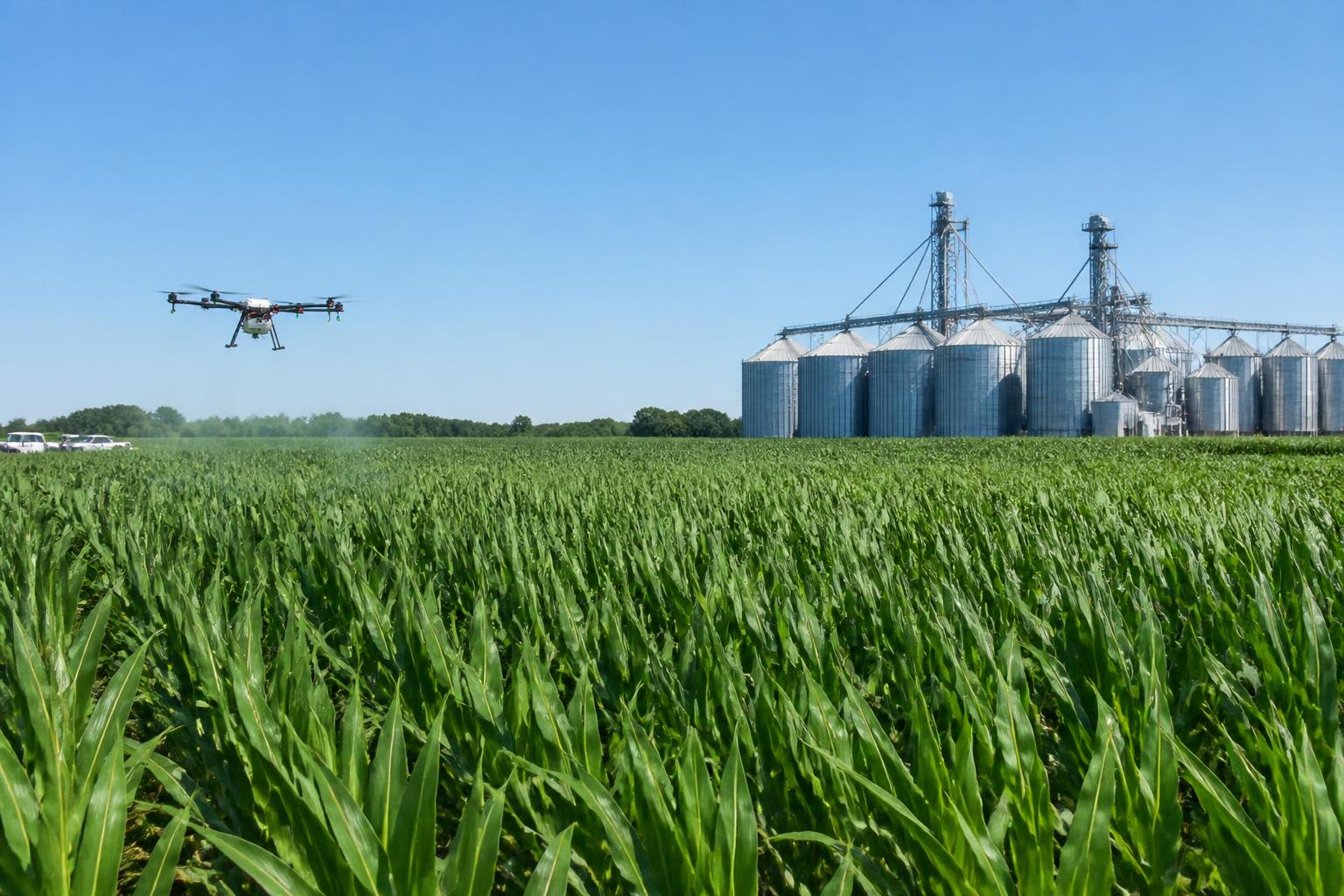
Mid-summer is a critical period for Massachusetts farmers as they evaluate the integrity of their storage infrastructure and look for ways to optimize input management. With current field conditions requiring close attention, the focus for many operations remains on maintaining the quality of stored grains while preparing for upcoming harvest volumes. Developing robust, weather-resistant storage solutions is often cited as a key strategy for protecting farm equity against seasonal volatility.
For those interested in the broader economic context of regional grain handling, reviewing updated local grain buyer and market price data is essential for planning post-harvest sales. Market participants are increasingly monitoring how modern infrastructure investments can shield assets from both climate-related disruptions and localized supply chain bottlenecks.
Leveraging Precision Tools for Seasonal Gains
Technology remains a primary driver for improving operational margins across the state. As the growing season progresses, producers are exploring new methods to refine input applications, ranging from advanced spray technology to data-driven moisture monitoring in storage facilities. These innovations are becoming increasingly common, helping farmers maximize efficiency during periods where input costs remain a significant concern.
Understanding the interplay between technology and regional supply cycles is vital for maintaining a competitive edge. Growers who stay informed about the latest agribusiness trends and input technology are often better positioned to adapt to changing labor availability and rising material costs as the fall season nears.
What it means for the market
For Massachusetts agribusinesses, the takeaway is clear: durability in storage and intelligence in input application are the dual pillars of modern agricultural resilience. By prioritizing infrastructure upgrades and keeping a close watch on regional price movements, producers can better navigate the complexities of the current market and ensure their operations remain viable through the end of the harvest cycle.
Comments
No comments yet - be the first to share your take.