
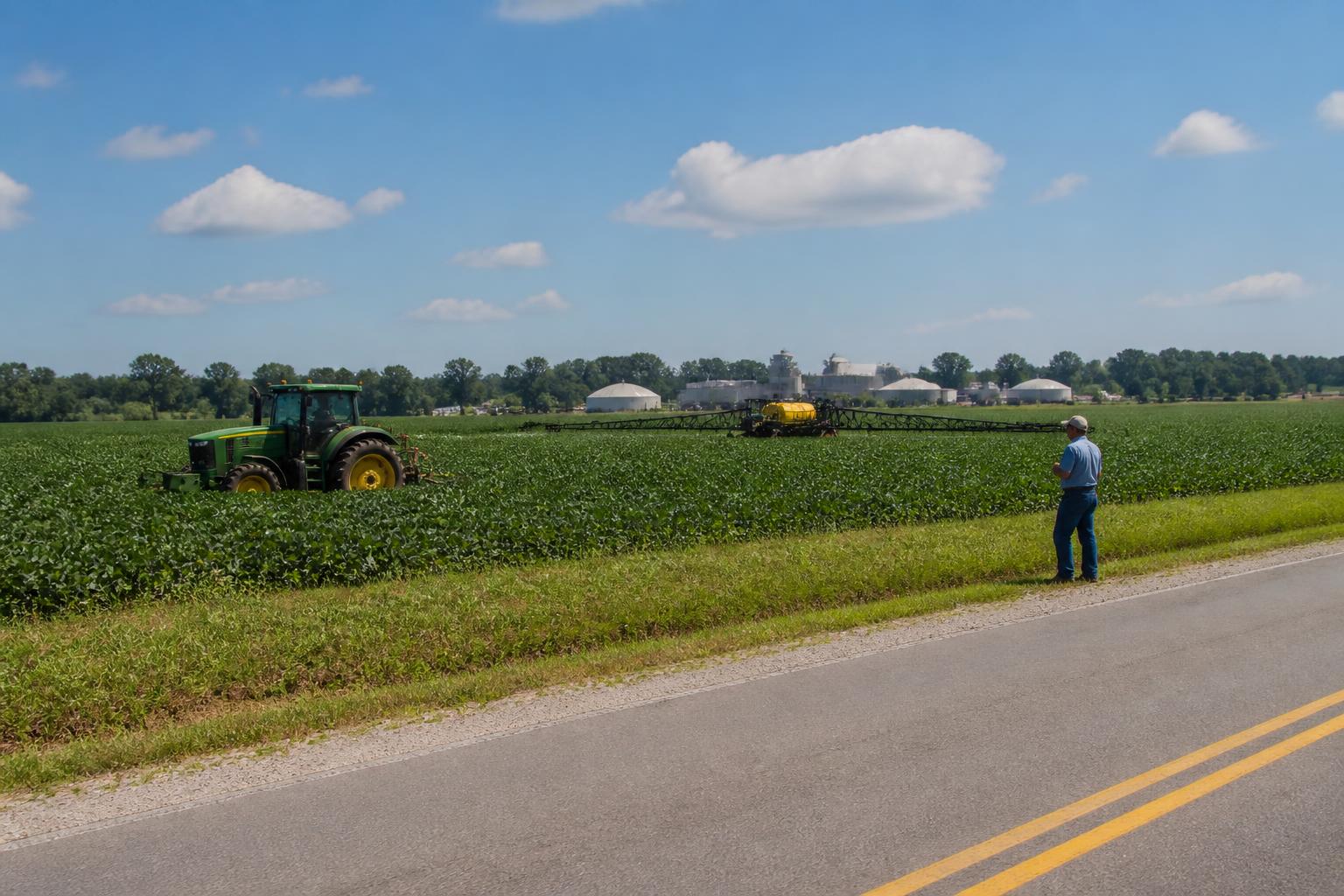
In the height of the summer growing season, the efficiency of Rhode Island's agricultural logistics remains a top priority for growers moving perishable products to local markets. Ensuring that rural road networks remain capable of handling seasonal traffic is vital, as even minor delays in transit can impact the freshness and profitability of high-value specialty crops. Maintaining consistent access to key corridors is often the difference between a successful season and missed opportunities for local producers.
Investing in Local Connectivity
Reliable infrastructure serves as the backbone of strengthening local agricultural systems across the state. Whether it is improving secondary road conditions in rural pockets of the state or streamlining transit near coastal distribution points, logistics improvements directly support the farm-to-table supply chain. For many operations, the ability to transport inputs and harvested goods efficiently is a persistent operational challenge that requires ongoing attention from regional planners and stakeholders.
Staying Ahead of Seasonal Challenges
Navigating mid-summer transport realities often involves managing unique variables, from localized weather impacts to the logistics of balancing harvest timing with distribution capacity. As growers continue to refine their operations, they may look for ways to optimize their delivery schedules to account for heavier summer traffic or potential weight restrictions on aging rural infrastructure. Proactive route planning remains a staple strategy for those looking to navigate mid-summer transport realities with minimal disruption.
What it means for the market
For Rhode Island agribusinesses, the intersection of infrastructure development and market demand continues to shape seasonal strategy. By focusing on maintaining resilient supply lines and keeping a close eye on transport efficiency, farmers can better manage the volatility inherent in summer logistics. Long-term viability rests on the continued commitment to keeping rural routes clear and accessible, ensuring that local crops reach consumers when demand is at its peak.
Comments
No comments yet - be the first to share your take.