
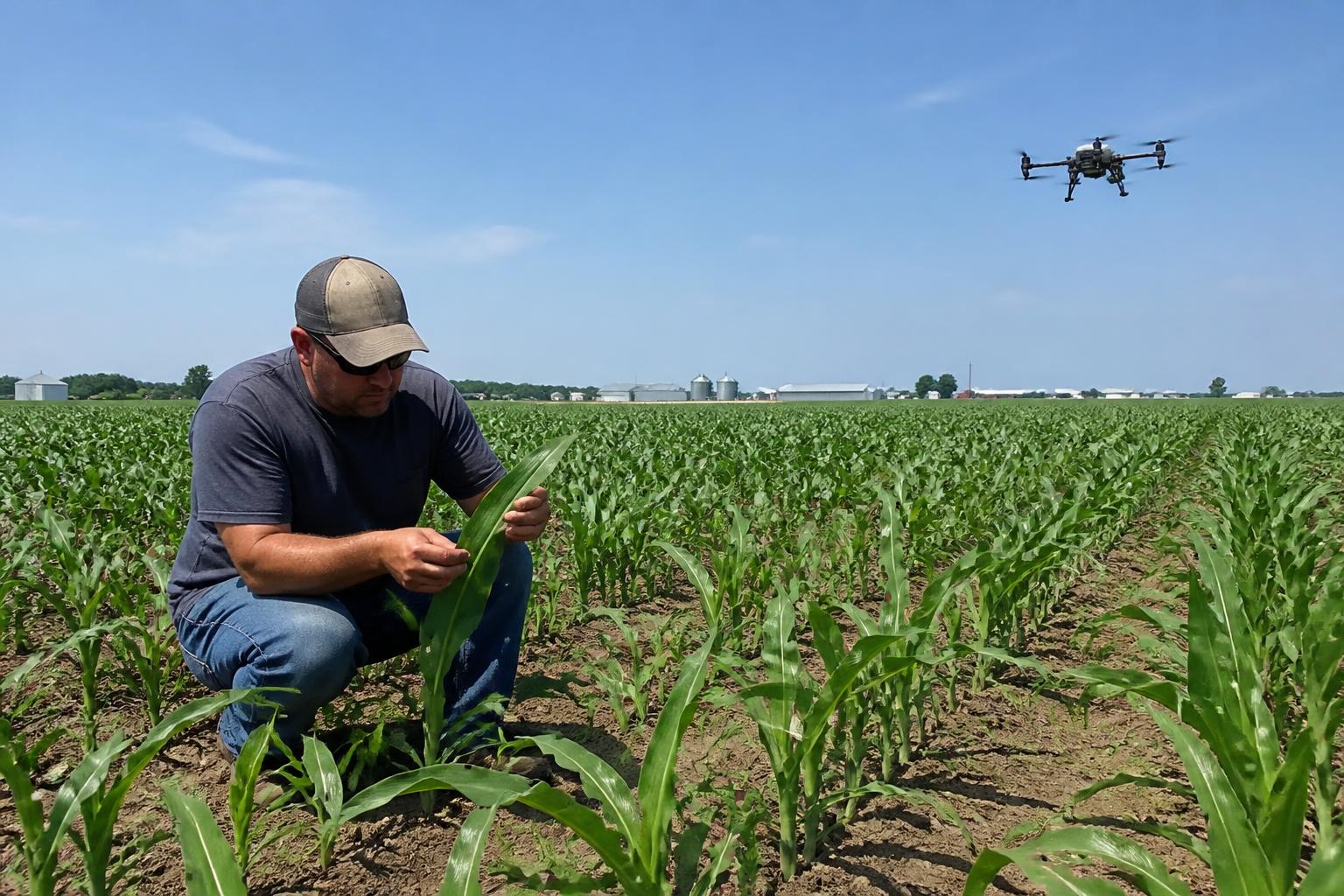
For Illinois producers, the summer season brings a dual challenge: maintaining peak crop performance while navigating an increasingly complex regulatory and economic landscape. With the current focus on crop health, growers are balancing the immediate needs of their fields with the long-term realities of volatile input pricing and shifting federal policy.
Ensuring compliance remains a top priority for agribusinesses and individual operators alike. Recent incidents involving significant penalties for improper pesticide application serve as a stark reminder of the importance of precise record-keeping and strict adherence to label directions. As monitoring for emerging crop protection risks continues, the industry emphasizes that sound stewardship is not only an ethical imperative but a necessary defense against legal and financial liability.
Input Markets and Global Pressures
The fertilizer market remains a point of concern as global geopolitical factors, including uncertainty in key supply regions, continue to cloud price outlooks. For Illinois farmers, these external pressures add a layer of complexity to seasonal planning. Many are looking toward advanced supply-chain management to mitigate potential bottlenecks and ensure that vital inputs reach their destination before critical growth windows close.
The Role of Innovation in Stewardship
Beyond current logistics, there is an ongoing conversation regarding the role of technology in agriculture. From AI-driven decision-making tools that optimize input usage to precision application equipment, innovation is being positioned as a key factor in both protecting yield and ensuring regulatory compliance. As the industry faces potential funding shifts, the integration of science-based practices is seen as essential for maintaining a competitive edge in a globalized market.
What it means for the market: Producers should prioritize rigorous documentation and stay informed on regulatory developments. In an environment where margins are tight and scrutiny is high, investing in precision tools and maintaining transparent, compliant operational workflows is the most effective way to protect against both market volatility and potential legal hurdles.
Comments
No comments yet - be the first to share your take.