
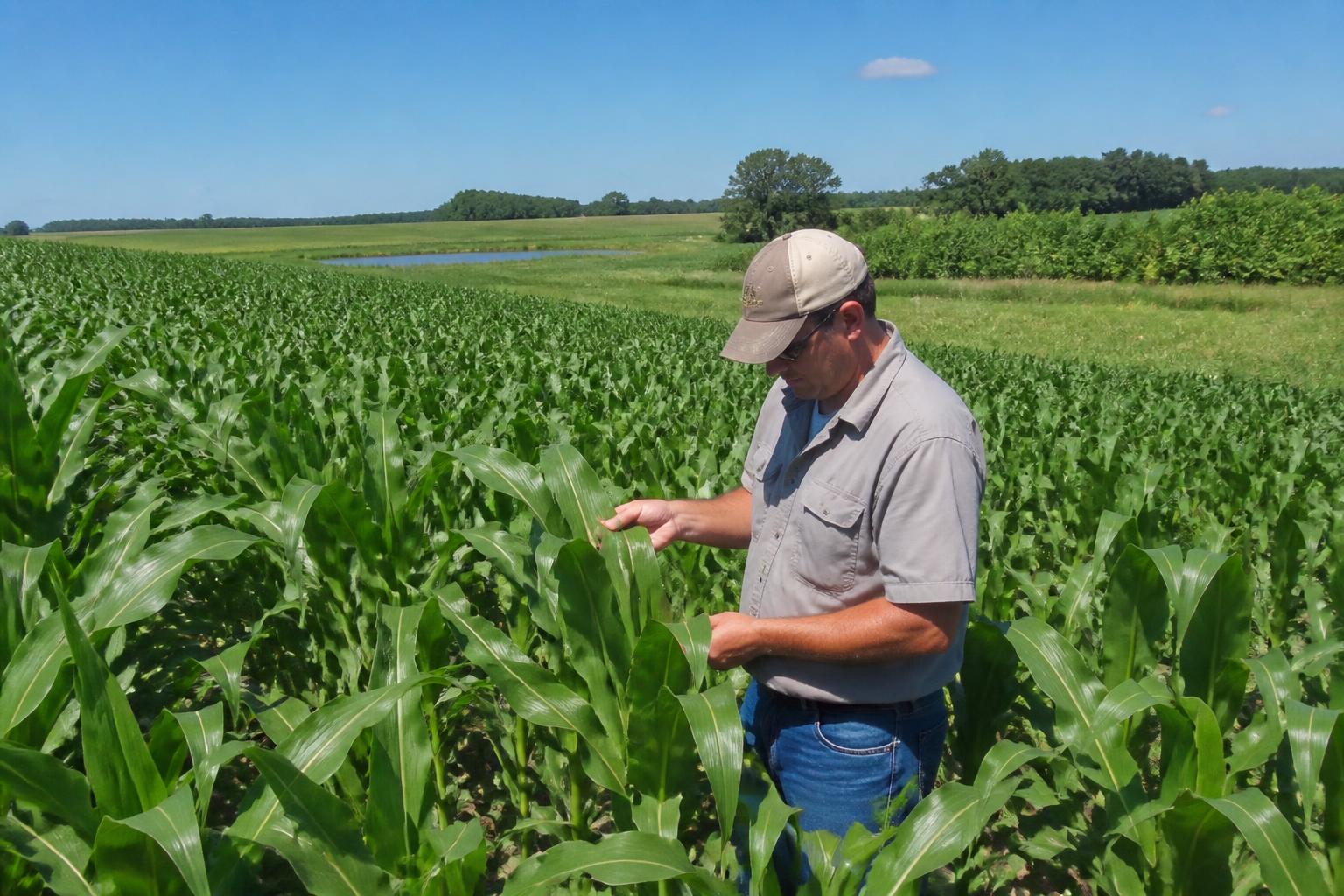
Illinois growers are entering a critical phase in the crop production cycle as the summer heat tests field resilience and disease pressure begins to mount. With recent field observations confirming the arrival of tar spot in various regions of the state, proactive scouting and crop health monitoring have become top priorities for those looking to protect yield potential as we move closer to the late season.
Managing these outbreaks requires more than just reactive measures. Many producers are shifting their focus toward integrated field management techniques that balance disease mitigation with soil health and nutrient loss reduction. While the immediate threat often involves fungal pathogens, long-term sustainability remains tied to consistent monitoring networks and adaptive agronomic practices that account for localized environmental stressors.
Evaluating Field Health and Input Strategies
The current environment highlights the necessity of precision agriculture tools. Whether identifying early symptoms of infection or optimizing nitrogen applications, data-driven decisions help farmers maximize input efficiency. As fields move toward critical growth stages, understanding how specific environmental variables influence pathogen spread can assist in refining spray programs and protecting investments made earlier in the season.
Strategies for Long-Term Resilience
Beyond individual crop protection, many operations are finding value in diversifying their rotations and incorporating conservation infrastructure. Small-scale interventions, such as those targeting runoff and water management, can provide cumulative benefits to overall farm productivity. By building a more resilient system, farmers are better positioned to weather the volatility inherent in modern Illinois agriculture, from shifting pest cycles to unpredictable weather patterns.
What it means for the market
For agribusinesses and input providers, the rise in disease pressure signals a likely increase in demand for fungicides and technical scouting services. For grain handlers, these emerging challenges reinforce the need for flexible logistics planning as yield variability may influence harvest volumes and storage requirements in the coming months.
Comments
No comments yet - be the first to share your take.