
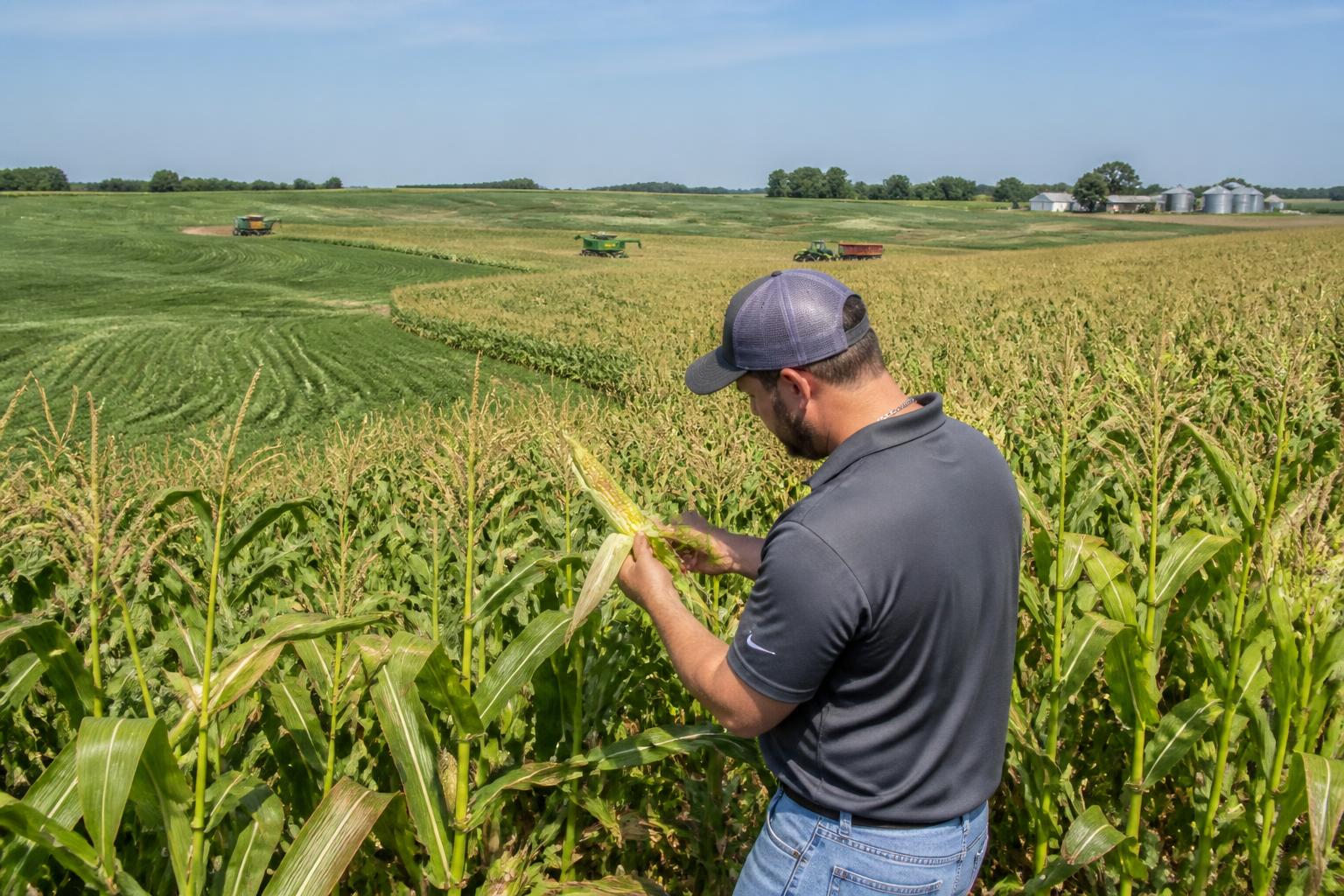
As we navigate the peak of the growing season in Minnesota, producers across the state are shifting their focus toward final-stage crop management. With corn development advancing rapidly, maintaining consistent vigilance against late-season pests is becoming a primary challenge for field managers. Agronomists continue to highlight corn rootworm as a persistent threat that can significantly compromise standability and overall yield if not monitored during these critical weeks.
Effective management in the current Minnesota crop protection landscape often requires a proactive approach to scouting. Producers are encouraged to evaluate field conditions closely, particularly in areas with a history of high pest pressure or where previous mitigation strategies may need adjustment. Assessing the effectiveness of early-season investments, such as biological seed treatments, can also provide valuable data for planning upcoming production cycles.
Refining Input Strategies
Beyond immediate pest control, the focus remains on ensuring that late-season nutritional and protective applications are both accurate and timely. In some regions of the state, managing the balance between soil health and input efficiency has become increasingly important as farmers work to maximize ROI on every acre. Understanding how localized weather patterns—including recent heat trends—influence the efficacy of these treatments is essential for maintaining crop integrity through the final weeks of development.
Logistics and Market Context
As fields transition toward harvest readiness, regional logistics and grain handling remain hot topics. While current activity is centered on protection and maintenance, the proximity of transport infrastructure remains a critical factor for Minnesota producers aiming to move products efficiently once harvest begins. Keeping a close watch on regional grain bids and supply chain developments will be essential for navigating the transition from late summer field work to the busy autumn shipping season.
What it means for the market
For growers and agribusinesses, the current period represents a crucial window to protect potential yields from late-season stressors. By prioritizing precise pest management and staying ahead of infrastructure considerations, market participants can better position themselves to handle the upcoming harvest with greater predictability and reduced risk to their bottom line.
Comments
No comments yet - be the first to share your take.