
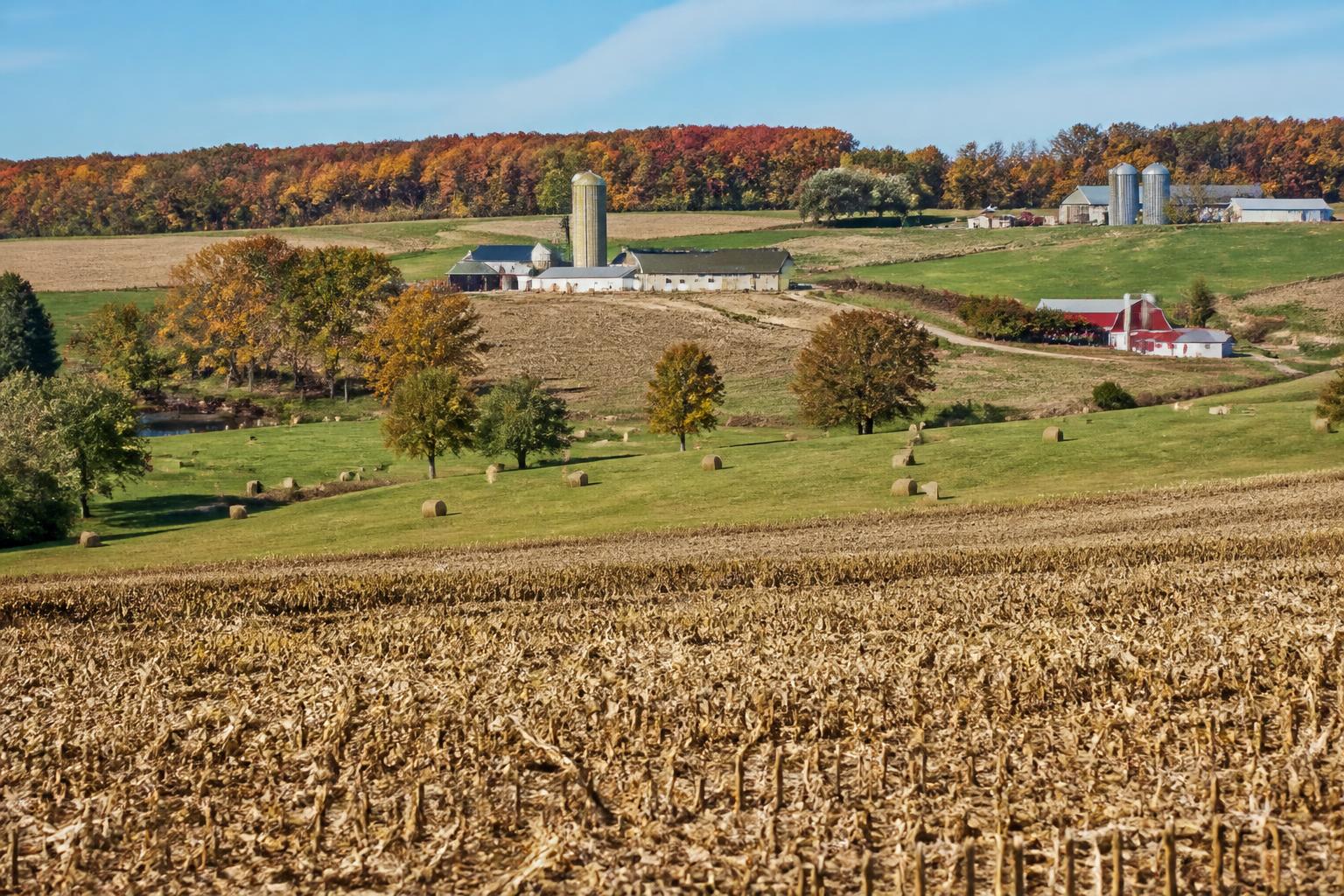
As Pennsylvania moves deeper into the fall season, the focus for many producers and landowners remains on long-term sustainability. Beyond the immediate demands of harvest, the state has recently announced a commitment of $9.7 million to permanently protect 40 farms across 19 counties from future development. This initiative highlights the ongoing effort to balance the growth of local infrastructure with the preservation of essential farmland.
Preserving the Local Footprint
For agribusinesses and grain handlers, land security is a critical factor in regional stability. While current logistics remain centered on the seasonal harvest dynamics and crop movement, protecting acreage ensures that Pennsylvania keeps its capacity for future production. This conservation approach is vital in counties where development pressure may limit land availability for younger or expanding operations.
Regional Support and Crop Management
Producers are encouraged to leverage resources through the Penn State Extension to optimize their management strategies. As we see shifts in how land is utilized and managed, maintaining soil health and adopting new crop protections remain essential. Innovations in the market, such as new biofungicides like TEMAP, signal that the industry is continuously looking for biological solutions that fit into integrated pest management programs.
Key Takeaways for Producers
- Land Retention: State investment in farmland preservation aims to keep agricultural zones productive regardless of urban or commercial encroachment.
- Technical Resources: Utilize local extension programs for guidance on soil health and fall planting preparation.
- Input Trends: Stay informed on shifting availability for bio-based crop protection tools as European and international trends influence regional supply chains.
For those managing the logistics and harvest outlook, this focus on land stability provides a clearer picture of regional agricultural capacity over the coming years. By securing productive tracts, the state helps maintain the density of supply needed to support local mills, elevators, and processing facilities.
What it means for the market
For Pennsylvania farmers and agribusinesses, these investments provide a hedge against land price volatility and urban sprawl. While these measures do not change daily price fluctuations or immediate supply chain bottlenecks, they anchor the regional economy by ensuring that the land base—the foundation of all local production—remains dedicated to agriculture for future seasons.
Comments
No comments yet - be the first to share your take.