
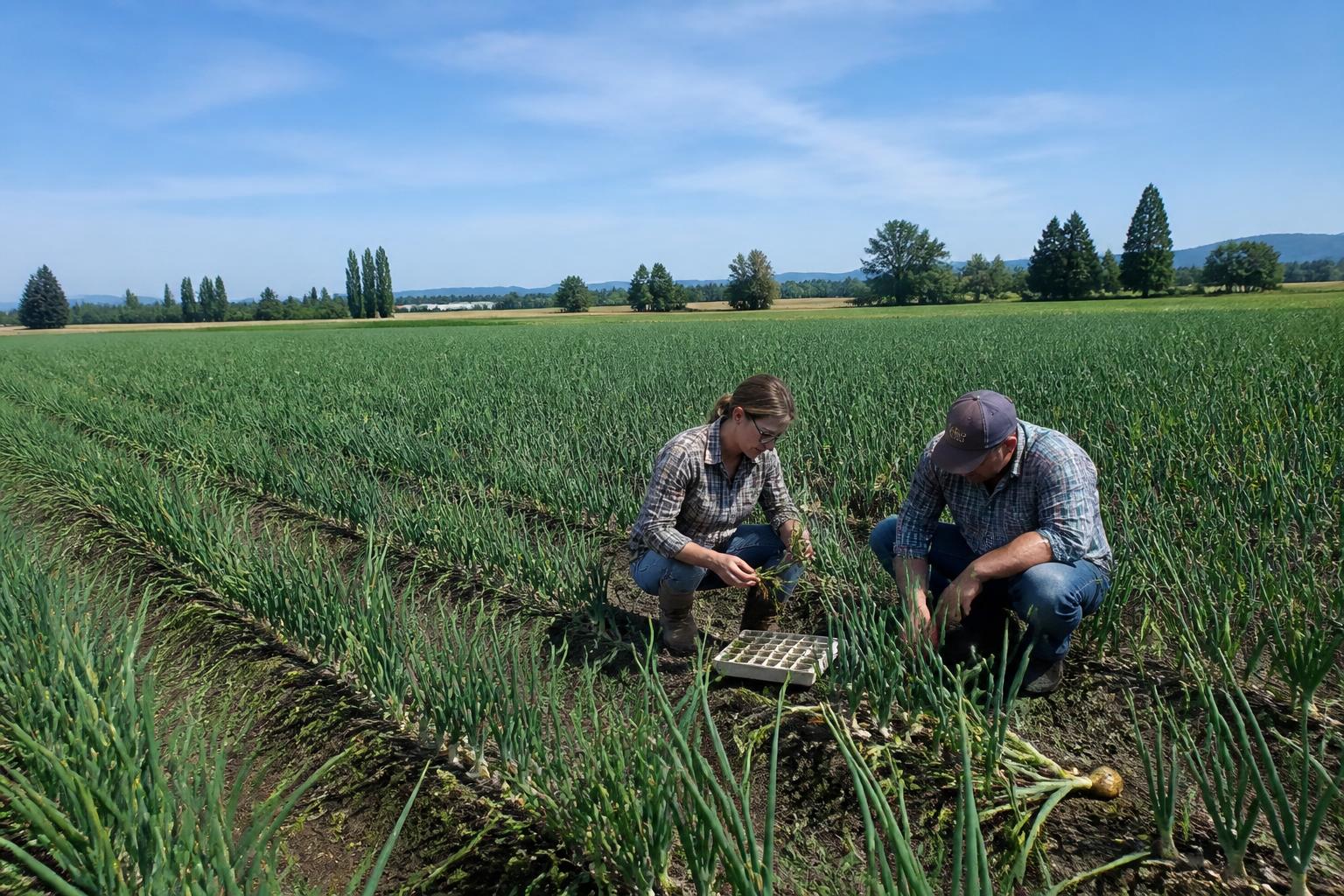
Mid-summer is a critical period for Oregon producers, as field activities in the Willamette Valley and beyond reach their peak. With the season well underway, growers are finding opportunities to leverage the latest agricultural research to optimize their operations. Recent field days hosted by the Oregon State University (OSU) Extension Service have provided a valuable platform for producers to observe applied research firsthand, offering practical insights into crop management that can help streamline production cycles during these busy months.
For those managing grass seed and specialty crops, staying ahead of regional operational adjustments is essential. As mid-summer fertilizer adjustments become a standard part of the routine, the integration of new agronomic findings can influence input efficiency. Furthermore, logistics remain a cornerstone of success; navigating the complexities of regional infrastructure is often necessary to ensure that seasonal harvests reach their destinations without unnecessary delays.
Navigating Market Dynamics and Regulatory Environments
The regulatory climate continues to be a focal point for many in the state. From small-scale dairy management to navigating regional trade policy, producers are increasingly engaged in discussions about how policy shifts impact the bottom line. It is a time where being prepared for rising input costs and regulatory changes is as important as the actual harvest. Market headwinds, including shifts in international trade, also play a significant role in how regional grains and other commodities are priced and positioned for export.
Operational Resilience in the Field
Beyond the regulatory landscape, the practical reality of maintaining equipment and securing reliable transport continues to challenge the local supply chain. Whether it is addressing industry-specific requirements, such as recent amendments to onion cull rules in Southeast Oregon, or managing land use pressures, the ability to adapt remains a primary asset for Pacific Northwest agribusinesses. Maintaining open lines of communication with local cooperatives and extension offices can provide the necessary context to navigate these multifaceted demands effectively.
What it means for the market
For Oregon farmers and handlers, the current landscape emphasizes a transition toward research-backed efficiency. By aligning production strategies with the latest OSU field research and keeping a close eye on regional logistics, producers can better buffer against market volatility and operational hurdles. As the summer progresses, maintaining flexibility in input procurement and transport planning will be key to managing the upcoming transition into the fall harvest season.
Comments
No comments yet - be the first to share your take.