
Expanding Soybean Infrastructure
North Dakota remains a critical hub for oilseed production, and the upcoming opening of a new soybean crush plant is signaling a shift in local logistics. For many growers in regions like the Red River Valley, this expansion may reduce the distance grain needs to travel, potentially streamlining supply chain bottlenecks that often arise during the peak of the harvest season. As operations scale up, keeping a close eye on regional grain basis and storage dynamics will be vital to capitalizing on this new local market opportunity.
Integrating Aerial Precision
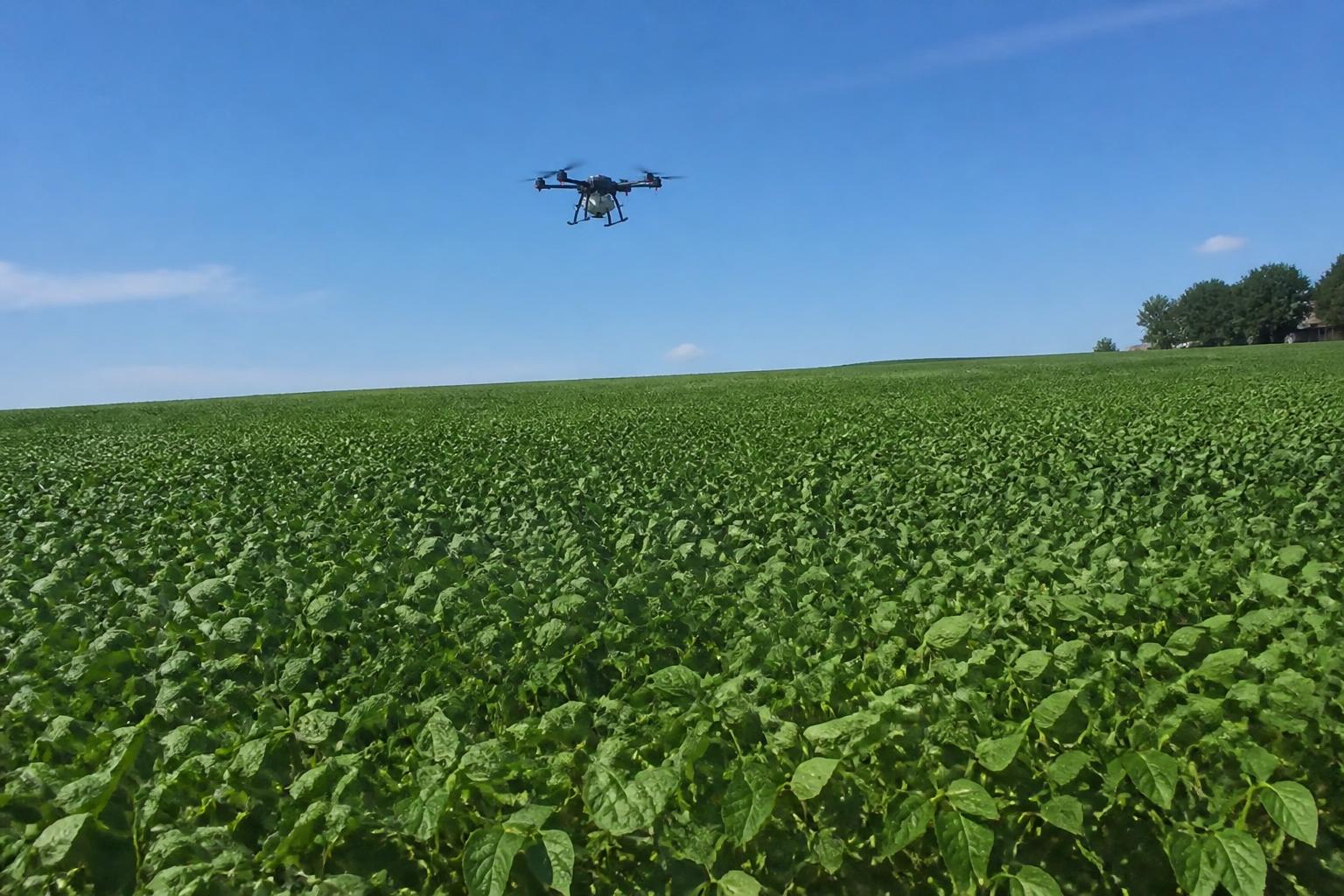
Beyond physical infrastructure, the adoption of new technology is changing how producers manage their fields. The growing interest in agriculture drones is becoming a notable trend, offering farmers a more efficient way to monitor crop health and apply inputs. By leveraging these systems, growers may see improvements in overall field management efficiency, particularly in late-summer conditions where manual scouting can be physically demanding or restricted by crop height.
What it means for the market
For North Dakota agribusinesses and individual producers, the dual focus on expanded processing capacity and automated monitoring tools suggests a transition toward higher operational efficiency. While regional infrastructure remains a key priority to manage harvest flow, integrating precision tools can provide the data-driven insights needed to optimize input costs and field performance throughout the remainder of the growing cycle.
Comments
No comments yet - be the first to share your take.