
Adapting to Evolving Labor and Infrastructure Needs
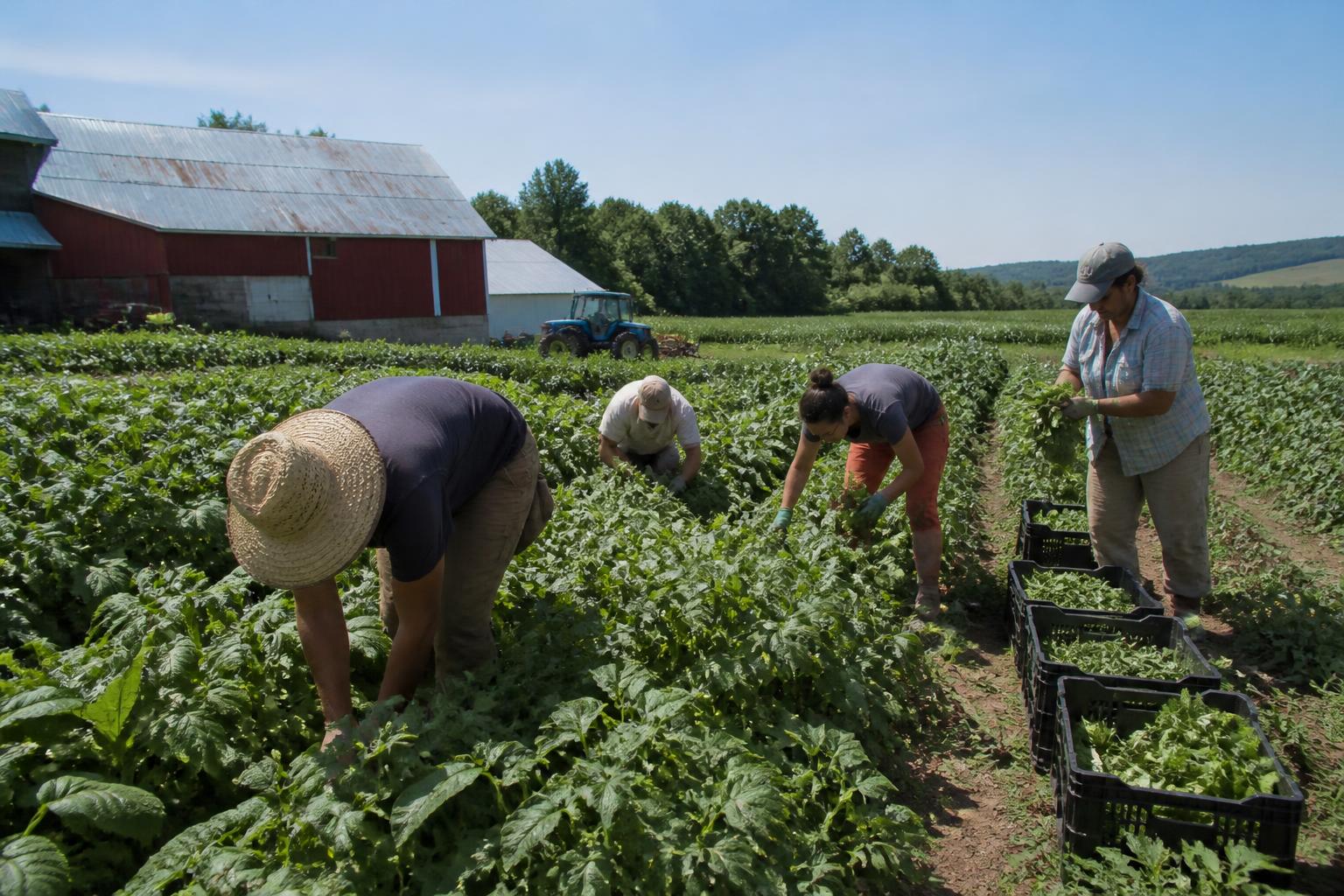
As we move through the heat of August, Maryland producers are balancing the immediate demands of field maintenance with a broader focus on the logistical strength of the state's agricultural supply chain. Recent public sector investments into registered apprenticeship programs aim to bolster the workforce available to the agricultural sector, which may provide much-needed support for grain handlers and equipment operators as they prepare for the upcoming harvest season.
For those managing grain storage and local price fluctuations, these shifts in labor availability come at a critical time. With the season progressing, efficient movement from the field to local elevators remains a top priority. Growers in regions like the Eastern Shore and the rolling hills of Washington County are often looking for ways to streamline their handling processes, particularly as they manage potential bottlenecks in transport and storage.
Building Resilience in the Field and Beyond
Market analysts note that the integration of new technical skills via expanded training programs can complement the adoption of modern precision agriculture tools. Whether it is refining weed science management or improving the efficiency of post-harvest grain movement, the focus for many Maryland agribusinesses is on long-term sustainability. This is particularly relevant when considering the complexities of managing seasonal margin risks in an environment where both input costs and logistics can change rapidly.
As we look toward the fall, the emphasis on strengthening local infrastructure and workforce pipelines is expected to pay dividends for cooperatives and individual operators alike. Maintaining clear communication with local storage facilities and keeping a close watch on regional transport capacity will be essential for navigating the weeks ahead.
What it means for the market
For Maryland grain producers and logistics providers, the current climate points toward a need for increased operational agility. While public investment in labor is a positive long-term signal, immediate market success will depend on managing field-to-bin efficiency. Producers should continue to monitor local grain basis and regional logistical capacity, as these factors will remain the primary drivers of profitability as the late summer season transitions into harvest.
Comments
No comments yet - be the first to share your take.