
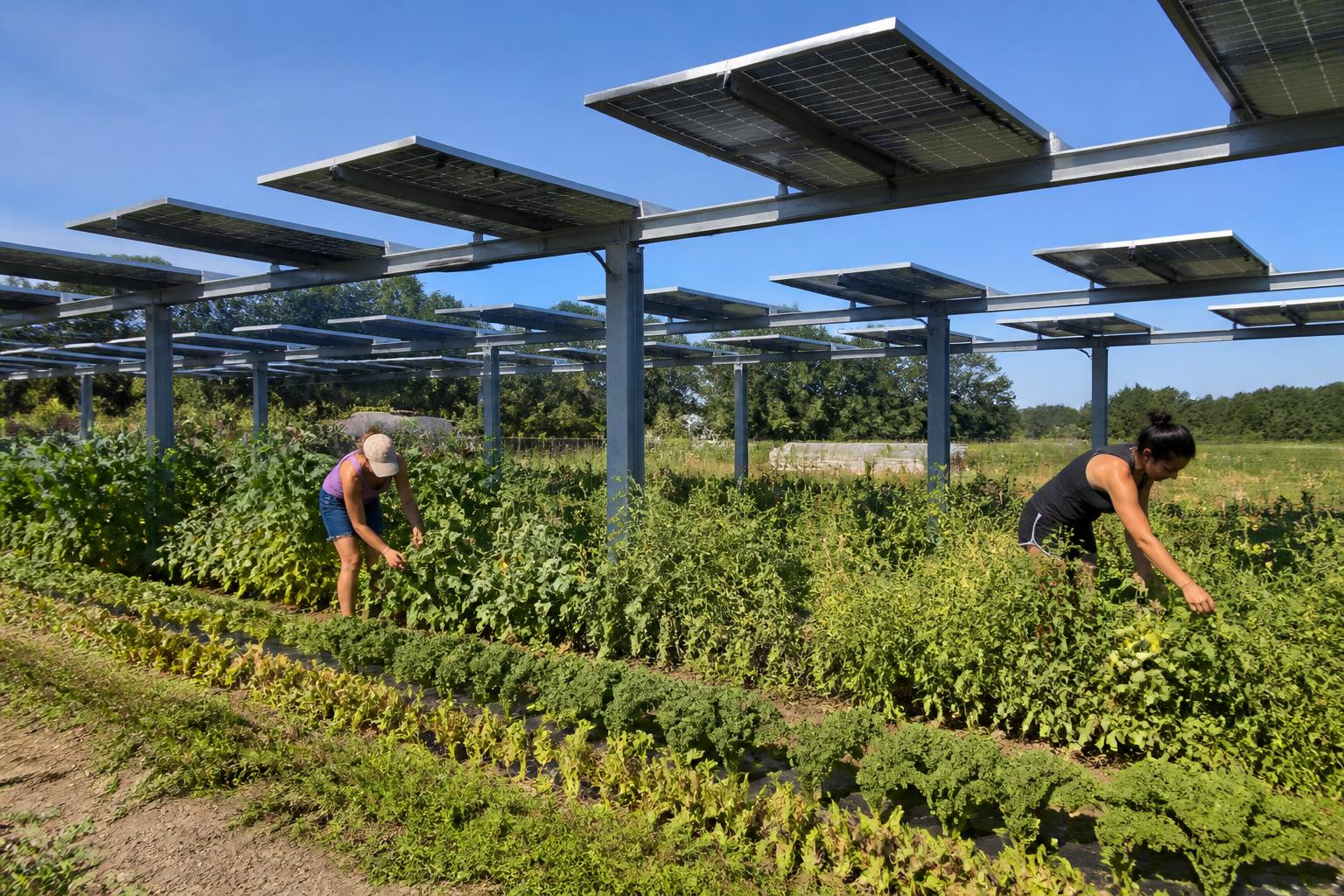
In the heart of the Rhode Island summer, farm managers are increasingly looking toward multifunctional infrastructure to bolster site productivity. Recent observations suggest that integrating dual-use solar arrays alongside traditional crop production is proving to be a viable method for maximizing land utility. By carefully positioning panels, producers can protect delicate crops from peak mid-August heat while generating supplemental energy, reflecting a growing trend toward diversified agricultural revenue streams.
Managing Field Risks and Invasive Threats
As the season progresses, the need for robust biosecurity and invasive species monitoring has become more pronounced. Growers are encouraged to stay vigilant against local threats that can disrupt yield quality during the final stages of the summer growth cycle. Establishing clear scouting protocols is a practical step for ensuring that emerging pest populations do not compromise the harvest, particularly in regions where dense woodland edges meet active fields.
Building Resilience Through Knowledge
The commitment to strengthening local agricultural systems continues to define the state's collaborative culture. Many operations are leaning into university-backed research and fellowship programs to better understand soil health and sustainable input management. This focus on experiential learning often translates into improved operational efficiency, allowing family farms to adapt more effectively to shifting seasonal weather patterns.
Integrated Logistics and Field Access
Logistics remain a critical component for maintaining consistent market access as harvest windows approach. Efficient infrastructure and transportation planning are essential for moving goods from field to consumer during these high-volume months. Ensuring that farm-to-road transitions are optimized can help reduce downtime and keep supplies moving smoothly throughout the region.
What it means for the market
For the Rhode Island producer, the current market climate rewards those who prioritize both physical infrastructure improvements and environmental stewardship. By adopting dual-use technology and maintaining strict biosecurity, farms can mitigate risk and improve profitability. In a season defined by intense heat and operational demands, focus and preparation remain the most valuable assets for long-term agricultural success.
Comments
No comments yet - be the first to share your take.