
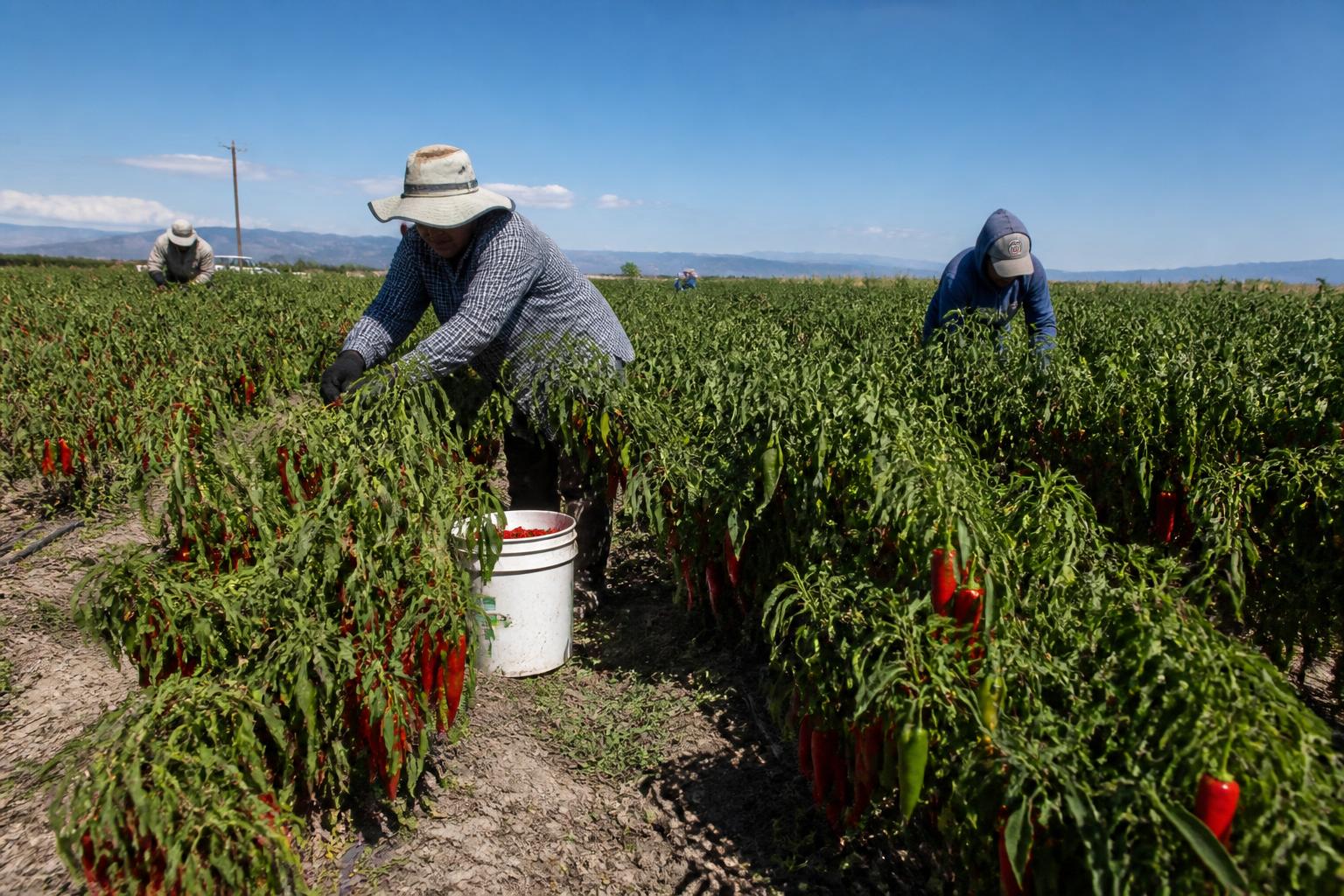
New Mexico's agricultural landscape is currently balancing seasonal production goals with a tightening environment for risk management. For local producers, the late-summer period brings both the promise of harvest and the persistent need for vigilance regarding biosecurity. Recent industry developments underscore the importance of maintaining strict monitoring protocols to protect both crop integrity and livestock health across the state.
As biosecurity concerns fluctuate, producers are encouraged to stay informed on regional developments, as these challenges often influence operational costs and management strategies. Maintaining awareness of biosecurity threats in New Mexico is essential for protecting the long-term viability of local herds and harvests, particularly when external pressures like pest migration or import-export adjustments enter the fold.
Managing Trade and Input Volatility
The state's geographic position makes cross-border logistics and trade policy central to the bottom line for many operations. Beyond biological threats, the economic environment remains complex. Whether it involves navigating fluctuations in fertilizer availability or adapting to broader trade-related adjustments, the ability to pivot is a key competitive advantage. Producers often find that regional cooperation and robust communication with supply chain partners help mitigate the impact of unforeseen border delays or shifting input costs.
For those looking to optimize their business, understanding the current climate remains vital. Insights into how producers are weighing options amid evolving market dynamics can provide a helpful framework for balancing immediate expenditure with future protection needs.
What it means for the market
For New Mexico agribusinesses, the current climate requires a dual focus: tactical biosecurity and strategic resource allocation. As market conditions continue to evolve, proactive planning around input procurement and regional logistics can help insulate operations from broader market volatility. Producers who prioritize robust monitoring and remain engaged with regional trade policy updates are best positioned to maintain resilience throughout the harvest season and into the next cycle.
Comments
No comments yet - be the first to share your take.