
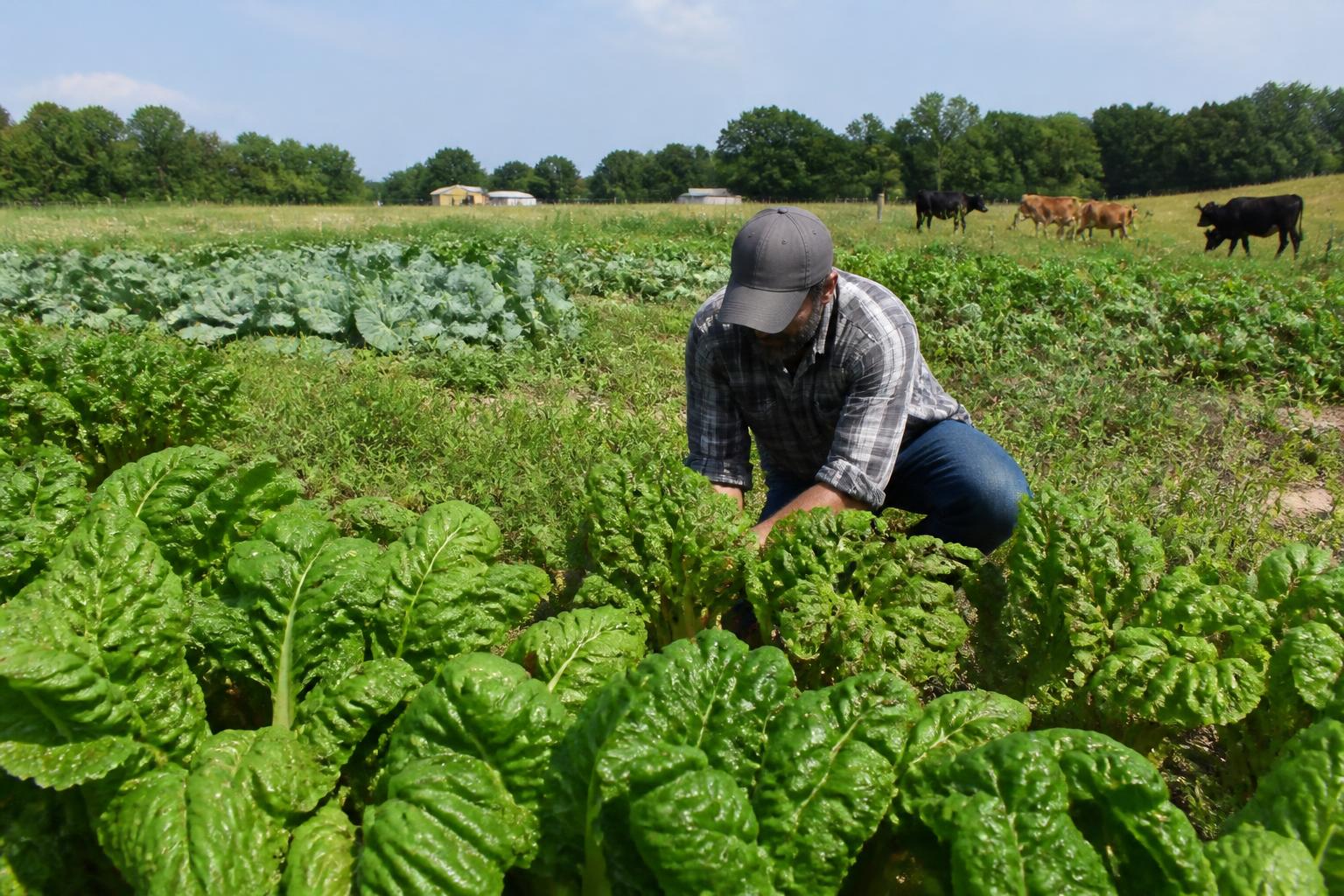
In the current summer season, New Mexico producers are navigating a complex environment characterized by shifting trade dynamics and an increasing emphasis on on-farm protection. Beyond the standard seasonal logistics, the focus has pivoted toward safeguarding the state's agricultural integrity against external biological threats. Producers throughout the region are being reminded of the necessity of maintaining stringent biosecurity protocols to mitigate risks that could disrupt local operations.
State authorities continue to emphasize the importance of monitoring for unsolicited agricultural shipments, which remain a vector for potential invasive species and pathogens. For those managing livestock or crop fields in areas like the Mesilla Valley or the high desert plains, simple, consistent measures remain the primary defense. Heightened biosecurity awareness is not just a regulatory suggestion but a practical necessity to maintain market access and herd health during periods of economic volatility.
Managing Risk in a Changing Landscape
The agricultural supply chain is often sensitive to international policy shifts and regional instability. As trade rules undergo scrutiny, maintaining high standards for domestic inputs and crop health is vital. While some key agricultural inputs have seen exemptions from certain reciprocal tariffs, the broader market remains reactive to global headlines. This instability highlights why regional producers must prioritize operational independence and disease prevention.
Practical Steps for Field and Facility Safety
- Inspect all inbound materials: Whether receiving seed or equipment, verify all documentation and origins. Unsolicited shipments should be reported to local agricultural departments immediately.
- Monitor for novel pests: With changing climate patterns, awareness of unconventional pathogens is essential. Engaging with local extension services for regular monitoring can help detect issues early before they scale.
- Strengthen perimeter biosecurity: Ensure that livestock containment and storage facilities are secure, particularly as transit and market logistics face potential bottlenecks.
What it means for the market
For New Mexico producers, the current market climate rewards those who prioritize stability and risk mitigation. By focusing on robust biosecurity practices, businesses can buffer themselves against the ripple effects of international trade uncertainty and potential biological disruptions. While external factors remain outside of local control, securing the farm gate remains the most effective strategy for protecting long-term profitability and regional market standing.
Comments
No comments yet - be the first to share your take.