
As we navigate the tail end of August, Massachusetts growers are balancing the final stages of the summer production cycle with strategic planning for the upcoming seasons. Managing input costs remains a central focus, especially as farmers monitor the broader, often volatile, global market for fertilizers, where geopolitical developments can shift supply chains unexpectedly.
While production remains steady, the integration of new technologies into standard operations is becoming increasingly common. Many local producers are exploring how modern infrastructure, from sophisticated irrigation setups to advanced field management tools, can mitigate the risks associated with unpredictable weather patterns. By focusing on assessing input technology and market shifts, agribusinesses across the state are better positioned to adjust their budgets against international market interventions.
Managing Input Costs Amid Supply Shifts
The fertilizer sector remains particularly sensitive to global logistics and trade dynamics. For those looking to secure supplies, understanding the current mid-summer supply cycles is critical to maintaining operational margins. Local elevators and input suppliers often advise farmers to stay updated on these shifting cost structures to avoid end-of-season premiums, especially in a year where global production alliances are evolving.
Enhancing Resilience in Massachusetts Agriculture
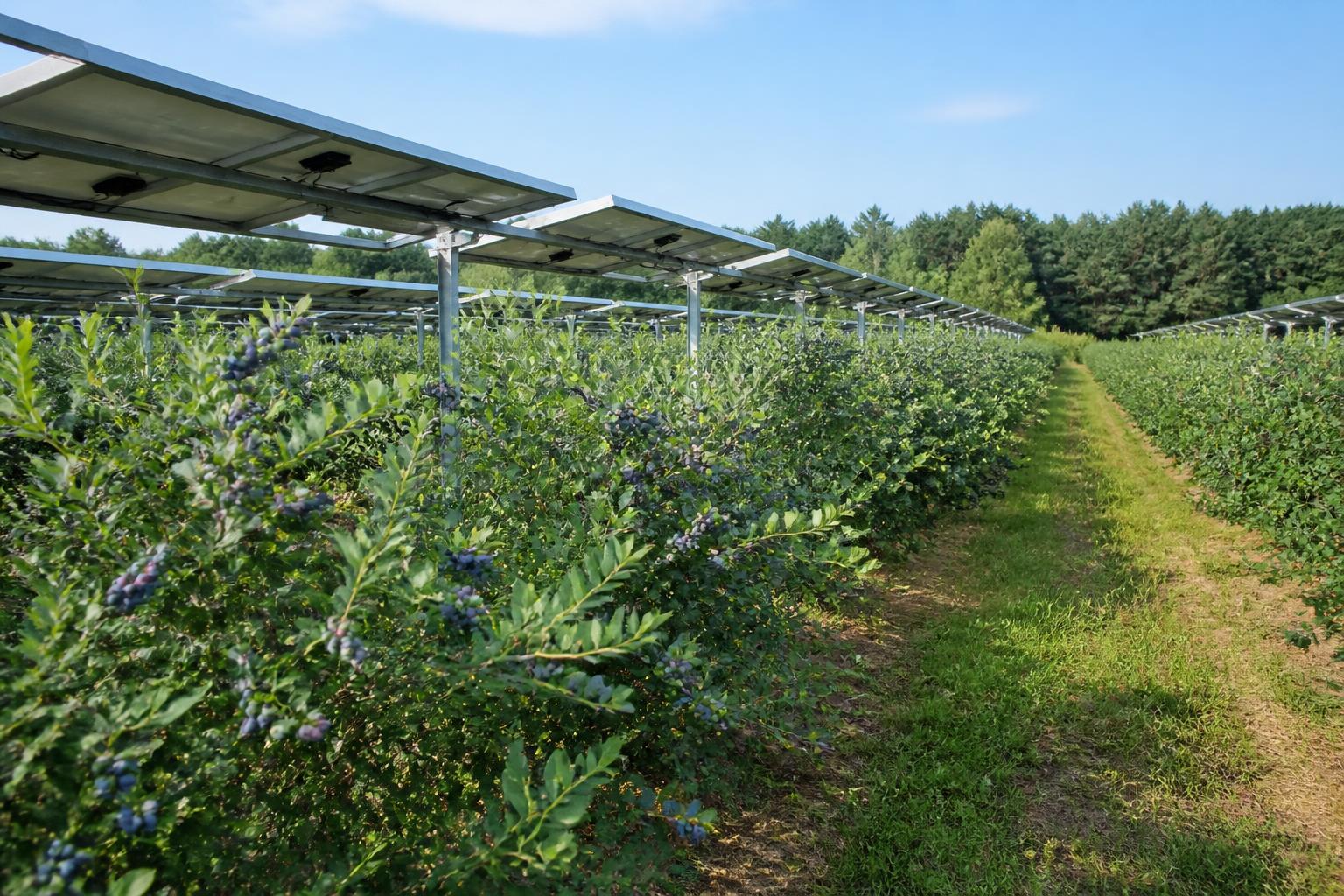
Beyond inputs, the physical resilience of the farm is a major theme for late summer. Recent innovations, such as the deployment of agrivoltaic arrays, have demonstrated potential for improving crop quality while simultaneously managing energy costs. These projects highlight how creative land use can provide a dual benefit in the challenging New England environment, where summer heat and moisture management are constant variables.
For those managing grain or specialty crop storage, ensuring that current assets are optimized can help buffer against market fluctuations. Proactive grain storage and input efficiency assessments remain essential for those looking to protect their harvest yields through the fall transition.
What it means for the market
For Massachusetts agribusinesses, the current climate requires a dual approach: staying lean on input procurement while investing in long-term infrastructure. As the summer season winds down, securing your supply chain position and monitoring local market signals will be key to navigating potential price volatility as we head into the fall harvest period.
Comments
No comments yet - be the first to share your take.