
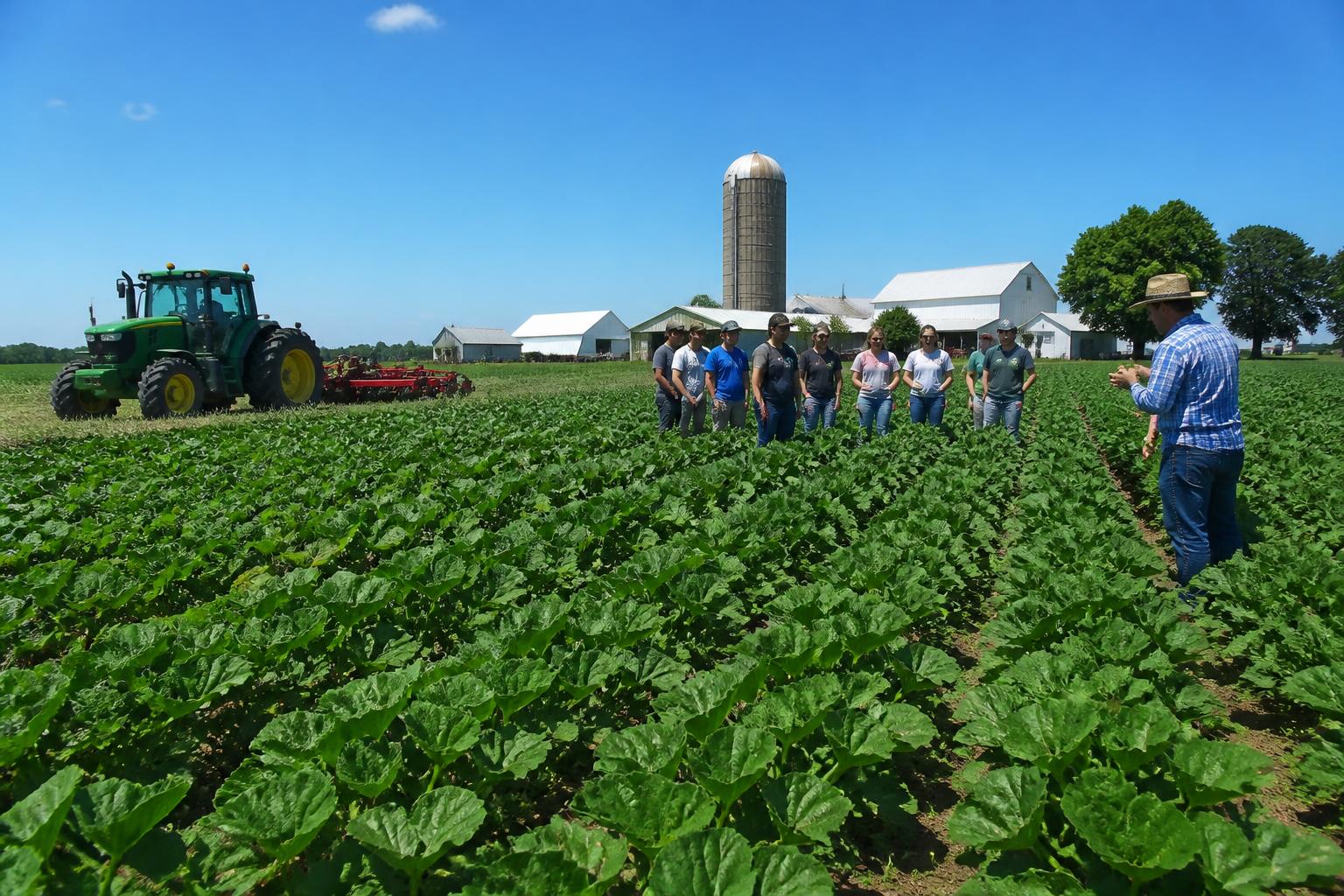
As the summer growing season reaches its peak in Nevada, producers are managing a complex interplay of operational challenges. Whether working the expansive hay fields in the northern valleys or maintaining specialized crops in southern regions, the focus remains on optimizing input efficiency while navigating a shifting logistical landscape.
Reliable access to crop protection products and fertilizers continues to be a priority for farm managers. While the global market sees collaboration between major players to address resistance and innovate molecule development, local operations are often more concerned with the practical aspects of distribution. Recently, the expansion of regional storage capacity, such as the new state-led warehouse initiatives, aims to streamline the movement of essential goods, potentially easing the bottlenecks that can occur during the height of the summer heat.
Equipment and Infrastructure Trends
For many Nevada agribusinesses, machinery management is shifting toward a recovery phase. Reports from heavy equipment manufacturers suggest that after a period of aging fleets, the coming cycle may see a transition toward newer technology. This shift is occurring alongside broader integration of automation in agricultural education and field management, which could eventually offer producers better ways to monitor crop health and precise application needs during critical summer logistics windows.
Maintaining Stability in Local Supply Chains
Beyond equipment, the local supply chain is heavily influenced by how effectively resources reach rural communities. As state programs work to bridge the gap between regional agricultural output and local distribution, the stability of these pathways directly impacts how producers plan their seasonal budgets and inventory. Tightening coordination between stakeholders ensures that essential inputs remain available, even as global commodity markets face their own share of volatility.
What it means for the market: Producers should focus on proactive inventory management and leveraging newly available regional storage facilities to buffer against mid-season logistical fluctuations. Keeping a close watch on equipment lead times will also be essential as the industry signals a move toward fleet renewal in the upcoming year.
Comments
No comments yet - be the first to share your take.