
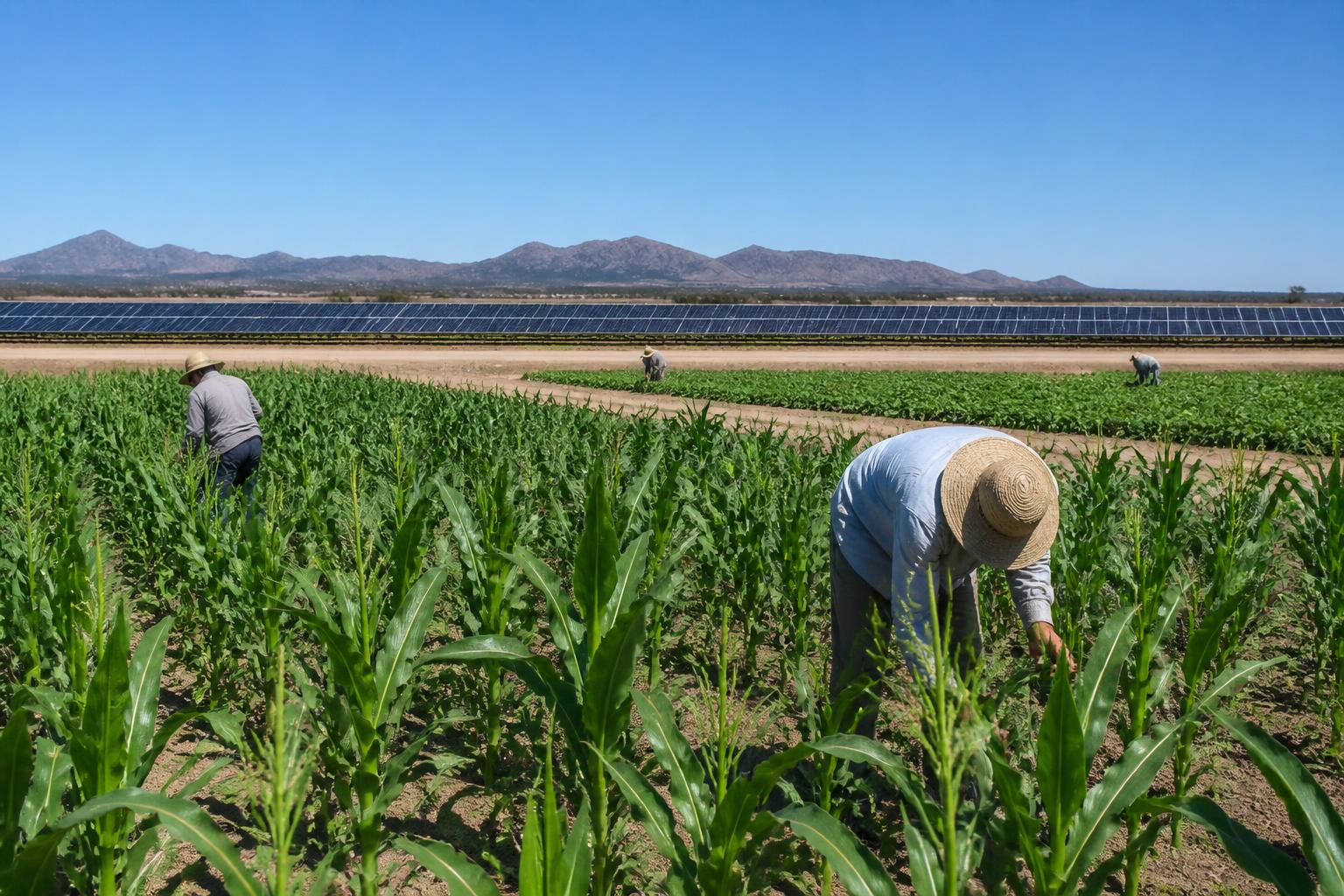
As we navigate the heart of the summer season in Arizona, growers across the state are contending with a complex landscape of operational pressures. From the fertile fields of Yuma to high-desert farming operations, the balance between maintaining yield potential and managing rising input and resource costs remains a critical focus for the agricultural sector.
Recent observations highlight the persistent threat of invasive pests, which continue to challenge established integrated pest management strategies. Producers are increasingly encouraged to remain vigilant, as new incursions can rapidly undermine crop health and marketability. The ongoing evolution of pest resistance means that relying on traditional chemical controls may not be sufficient on its own, prompting a renewed interest in adaptive, multi-faceted protection programs.
Water and Resource Stewardship
Beyond pest management, water security remains the foundational issue for Arizona agribusiness. With the heat of August putting maximum strain on irrigation systems, many producers are exploring advanced delivery technologies to maximize every acre-foot. Efficiency is no longer just a regulatory or environmental goal; it is a direct contributor to the bottom line as supply remains a variable in long-term planning.
Technological Integration in the Field
The industry is seeing a steady, if cautious, adoption of new technologies designed to buffer operations against climate variability. From research into drought-tolerant varieties to experiments with controlled-environment setups, the goal remains the same: protecting the harvest from the extreme conditions characteristic of the region. As supply chains for inputs like fertilizers and protective chemicals remain subject to global volatility, keeping a diverse toolkit of management practices is vital for operational stability.
What it means for the market
For growers and agribusinesses, the current climate suggests that flexibility will be the defining trait for the remainder of the season. Strategic investment in precision technology and a close watch on regional pest trends will likely provide a competitive edge. As the market looks toward the final quarter, managing input stocks and prioritizing efficient water use will be key to mitigating risk in an increasingly uncertain production environment.
Comments
No comments yet - be the first to share your take.