
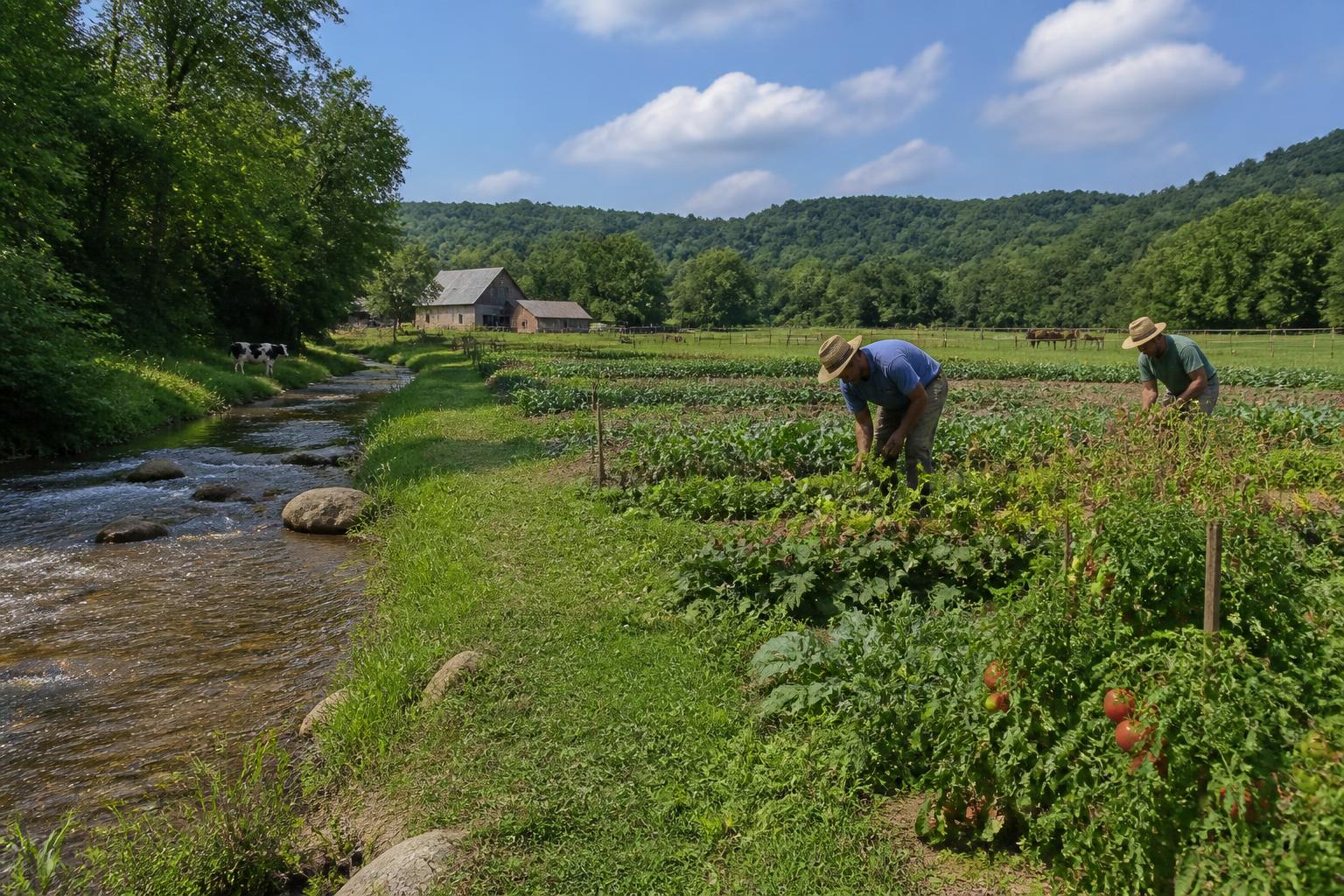
Mid-summer in West Virginia often presents a complex landscape for agricultural operators. While producers focus on seasonal maintenance and livestock management, regional factors continue to influence market flows and operational costs. For those involved in local production, the necessity of navigating biosecurity and transport hurdles remains a priority to protect herd health and crop integrity as the season progresses.
Prioritizing Proactive Risk Management
The intersection of logistics and resource protection is a defining characteristic of the current agricultural environment. Whether dealing with regional pest pressures or the nuances of supply chain movement, maintaining a focus on risk mitigation is essential. Effectively managing regional crop threats and adhering to evolving biosecurity standards helps producers safeguard their bottom lines against unexpected volatility.
Building Operational Resilience
Agribusinesses across the state are increasingly looking for ways to streamline workflows and reduce the impact of external disruptions. From the livestock auctions in regions like Moorefield to the broader challenges of regional logistics, being prepared to address bottlenecks before they escalate is key. Understanding the best practices for managing emerging threats can provide a competitive edge in an industry where environmental and economic variables shift rapidly.
What it means for the market
For the average producer, these operational pressures underscore the value of long-term planning and consistent surveillance. As the late summer transition approaches, those who prioritize robust biosecurity protocols and maintain flexible logistics strategies are better positioned to weather regional challenges, ensuring that local supply chains remain steady despite the ongoing uncertainty in broader agricultural sectors.
Comments
No comments yet - be the first to share your take.