
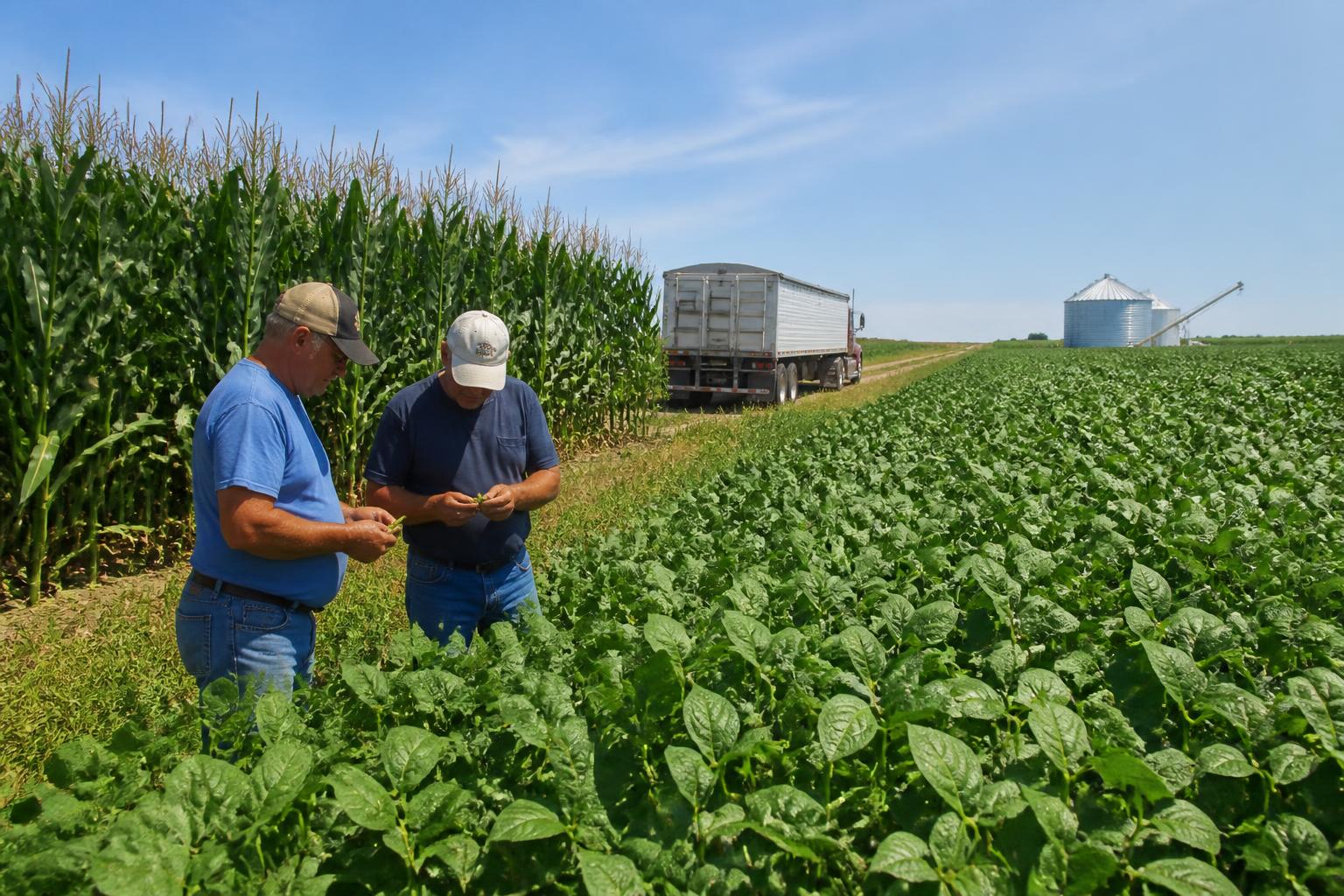
As we navigate through the peak of summer here in Massachusetts, the local agricultural community is keeping a close watch on shifting market dynamics. While national planting intentions for corn and soybeans provide a broad baseline for expectations, regional producers are increasingly focused on the practicalities of the upcoming harvest season. With updated acreage figures from national reporting, many local operations are re-evaluating their storage capacity and logistics strategies to accommodate potential output.
For those managing the flow of product, maintaining equipment is a priority. Ensuring that storage and input efficiency remains a top concern, especially as moisture management becomes critical during the late-season transition. Producers in the Commonwealth are increasingly looking at portable moisture testing tools to ensure quality control before heading to local elevators or long-term storage.
Refining Logistics and Input Strategies
The market for grain buyers and sellers remains responsive to broader trends in commodity prices and supply chain fluidity. In Massachusetts, where farmland is often interspersed with non-agricultural development, logistics can sometimes present unique challenges. Efficient movement from field to processor is essential, particularly as fuel and labor factors continue to influence transportation costs.
Furthermore, staying ahead of resource allocation is key to maintaining a competitive edge. Whether you are balancing input costs or looking into how technological shifts in agribusiness can improve yields, the focus for the remainder of the summer should be on resilience. Careful monitoring of local moisture levels and timely maintenance of handling infrastructure can prevent bottlenecks as the harvest window begins to open.
What it means for the market
For Massachusetts farmers and grain handlers, the current environment demands a proactive stance. By leveraging existing storage assets and focusing on logistical precision, local agribusinesses can better withstand market volatility. As the season progresses, expect increased activity at regional handling facilities; staying prepared now is the most effective way to protect your bottom line against the uncertainties of the global supply chain.
Comments
No comments yet - be the first to share your take.