
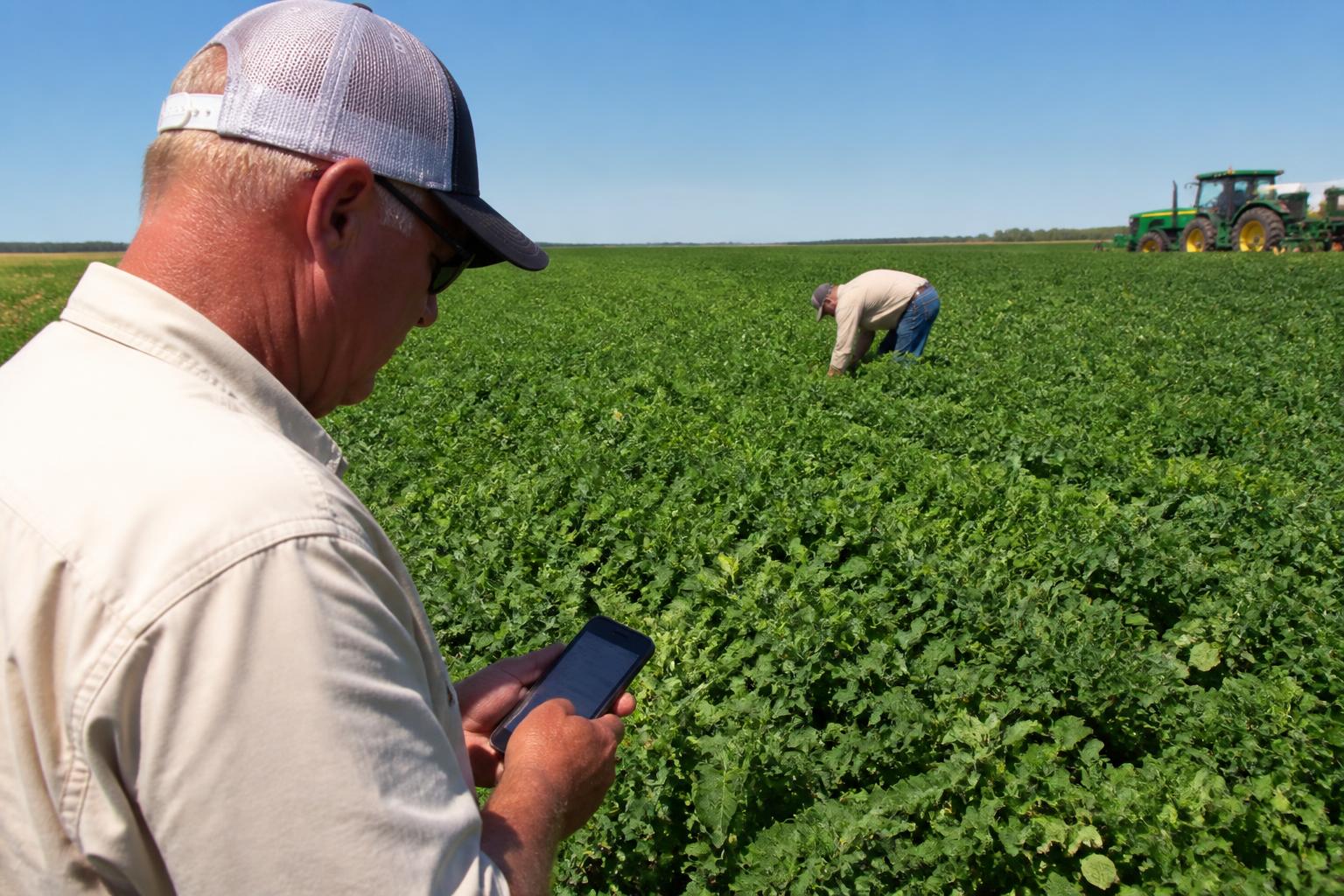
As the late summer heat persists across Oklahoma, producers are turning their attention toward finishing the season strong. With many crops, including peanuts and regional staples, currently in critical stages of development, the emphasis is shifting toward aggressive protection strategies and precise input management. Maintaining field health during these final weeks is essential for optimizing quality and yield potential before harvest begins.
For growers, the complexity of field management continues to grow, necessitating a deeper look at protecting Oklahoma yields through modern weed and nutrient management. Whether dealing with stubborn late-season pressures or planning for post-harvest soil testing, access to data-driven tools is becoming a standard part of the toolkit. Recent developments in regenerative agriculture evaluation are also providing local farmers with new frameworks to measure long-term sustainability alongside immediate profitability.
Managing Pests and Disease Risks
Disease prevention remains a cornerstone of the current management cycle. In regions where peanuts and other sensitive crops are prominent, rotation and careful site selection have proven to be the primary defenses against disease. However, when those are not enough, strategic fungicide application is often required to preserve the crop as it approaches maturity. Farmers are reminded that the effectiveness of these treatments often depends on consistent scouting and early detection.
Weed control is another ongoing challenge, particularly with persistent threats like Palmer amaranth. Because these weeds can easily outcompete crops for essential nutrients and water during the hottest months, many producers are integrating multiple control methods to curb growth. Combining manual observation with digital resources for weed identification is one approach that can help minimize the footprint of invasive species across the acreage.
Input Efficiency and Economic Realities
The economic landscape for Oklahoma agriculture remains dynamic, and input management has become increasingly data-dependent. As interest in outcome-based pricing models grows, growers are finding that they have more avenues than ever to align their costs with performance metrics. Keeping a close watch on regional fertilizer trends and selecting the right crop varieties for specific soil types can help mitigate some of the volatility currently impacting operational bottom lines.
Furthermore, as the industry navigates the uncertainty of long-term policy shifts, many producers are turning to digital platforms to streamline their workflows. Whether it is tracking fertilizer applications or monitoring weather patterns for optimal spraying windows, these tools are helping maintain operational discipline despite the lack of major federal legislative changes at this time.
What it means for the market
For Oklahoma agribusinesses and producers, the current market environment rewards those who prioritize precision. By focusing on late-season protection and leveraging available data to optimize input use, farmers can better insulate their operations against mid-season threats. Staying informed on regional production standards and adopting proactive management strategies will be key to navigating the remainder of the growing season as operations prepare for the transition into harvest.
Comments
No comments yet - be the first to share your take.