
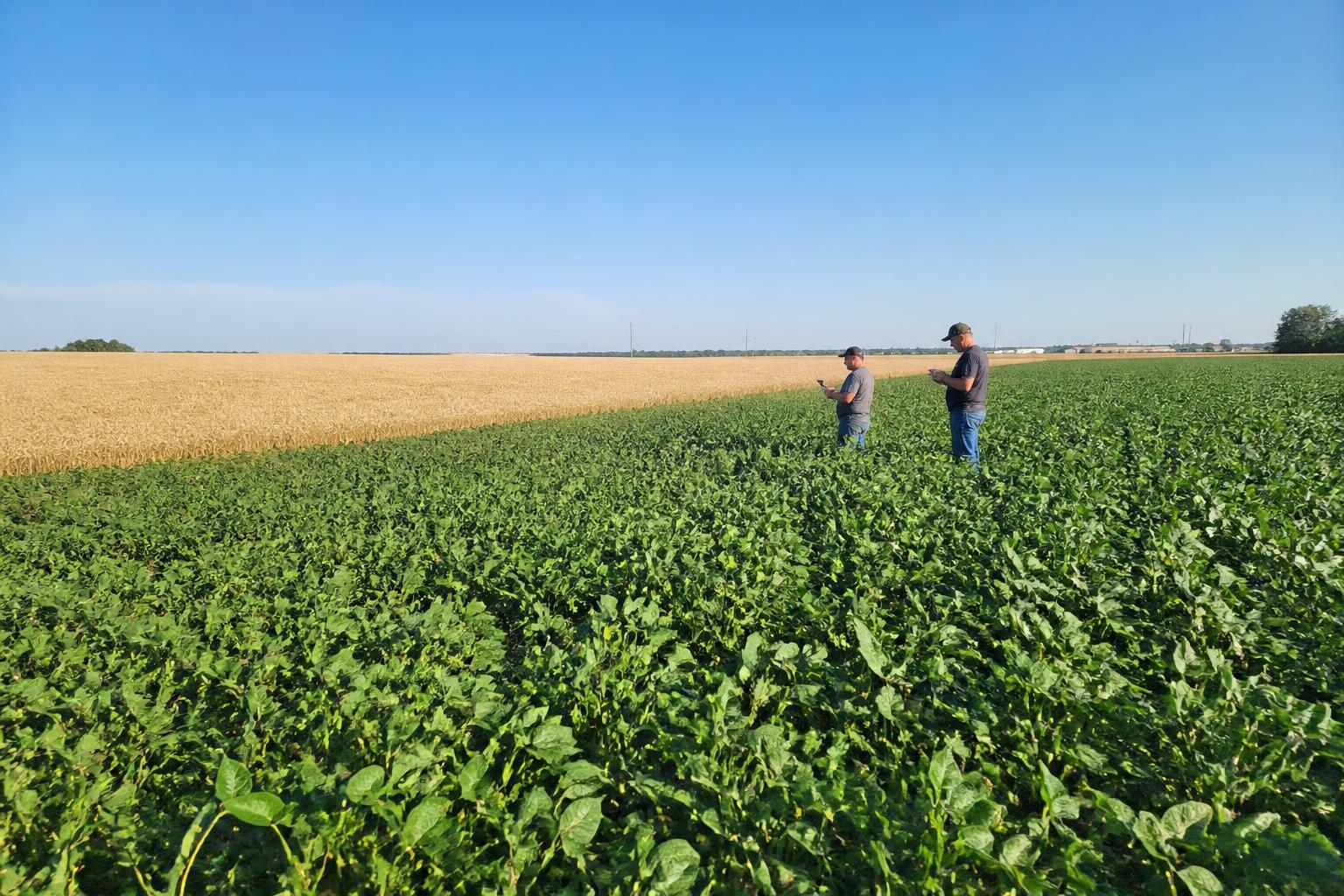
Mid-to-late August marks a pivotal time for Kansas producers as they navigate the complexities of protecting summer crops from environmental and biological pressures. With the growing season in full swing, local agronomists and industry experts emphasize the importance of field-level monitoring to preserve yield potential as plants progress toward maturity.
For those managing soybean and cotton acreage, the current focus remains on identifying early warning signs of pressure before they compromise harvest margins. In some areas, recent weather patterns have supported vigorous growth, but that same moisture can sometimes create favorable conditions for pest development, making proactive scouting for potential infestations a priority for operators across the state.
Targeted Scouting in Cotton and Soybeans
Cotton farmers are currently being advised to increase their presence in fields to monitor for bollworm moth activity. Effective pest management strategies during this window are essential, as timely identification often allows for more precise intervention, minimizing the need for broad-spectrum applications later in the season. Similarly, soybean producers in northeastern Kansas and other high-growth regions continue to track disease development and insect populations that may capitalize on the ongoing moisture levels.
Logistics and Market Signals
Beyond crop protection, the broader agribusiness landscape in Kansas remains active as grain handlers and input suppliers adjust to shifting logistical demands. With cross-border freight movements and global export commitments, such as recent flour mill developments, influencing the movement of goods, maintaining field health is only part of the equation for a successful season. Producers are encouraged to keep a close watch on regional input availability and local elevator capacity as harvest timelines begin to shift.
What it means for the market
Successful management of late-season pests is critical for stabilizing Kansas grain and fiber quality. By prioritizing field scouting and maintaining flexible protection strategies, producers can better mitigate risks and optimize their bottom line in a season where input efficiency remains a key driver of economic performance.
Comments
No comments yet - be the first to share your take.