
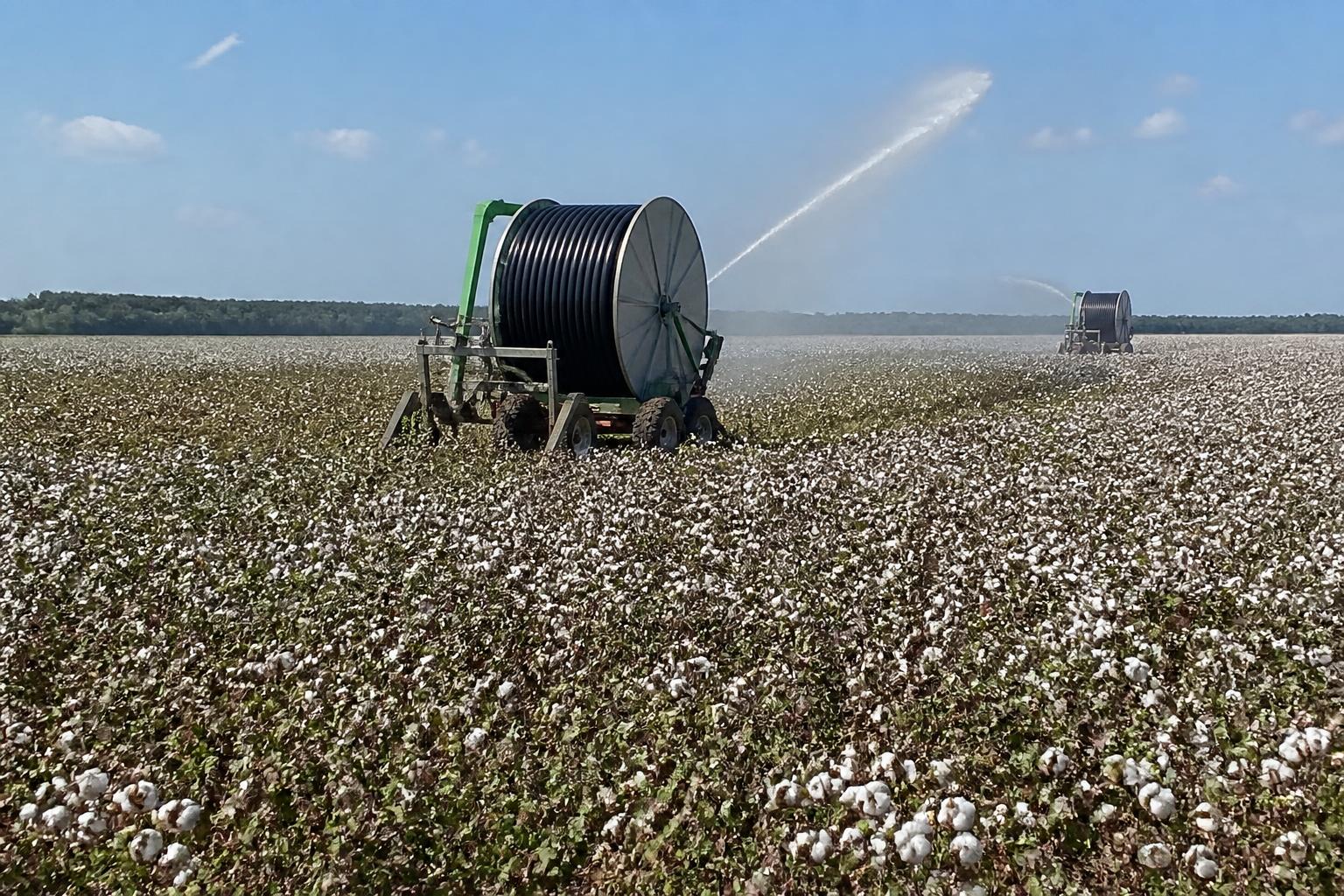
Managing Water Resources in the Delta
For growers across Mississippi, the current late-summer season underscores the vital importance of irrigation management. Recent advancements in tailwater recirculation systems are helping rice producers optimize water usage, a practice that directly impacts long-term operational sustainability. As producers work to mitigate the stress of fluctuating seasonal conditions, prioritizing crop health and economic resilience has become a central focus for many farm operations in the state.
Beyond on-farm water management, efficiency programs are gaining traction, providing producers with tools to refine irrigation strategies and monitor environmental stress. By integrating these practices, farmers can better stabilize input costs while maintaining crop quality during the demanding final weeks before harvest.
Logistical Pressures and Supply Chain Resilience
Transportation remains a persistent variable in the regional market, particularly for those relying on the Mississippi River corridor. When water levels shift unexpectedly, it creates ripple effects that impact grain movement and the costs associated with freight. Operators often contend with the reality of logistical constraints during the lead-up to harvest, which can complicate downstream delivery timelines.
Maintaining awareness of these inland waterway conditions is essential for any agribusiness. Whether moving equipment or grain, understanding how infrastructure adjustments—such as the use of underwater sills—affect river navigation can provide a competitive edge in planning transport cycles. Proactive communication with logistics partners remains one of the best strategies for managing these inherent, region-specific risks.
Innovation in Mississippi Agriculture
Technology continues to offer new avenues for protecting the bottom line. Recent conferences hosted within the state have highlighted the potential for artificial intelligence and advanced data modeling in natural resource management. As these tools become more accessible, they may provide new insights into evolving protection trends, helping growers stay ahead of operational shifts in an increasingly complex agricultural environment.
Key Takeaways
- Prioritize water efficiency through proven tailwater and irrigation management systems.
- Monitor river stage reports to anticipate potential fluctuations in freight costs.
- Leverage regional agricultural data to optimize input use and crop protection timing.
What it means for the market: For Mississippi agribusinesses, the primary takeaway is the necessity of flexibility. By pairing modern irrigation efficiency with a data-driven approach to logistics, producers and handlers can navigate the volatility of the summer season more effectively. Focus on maintaining strong, reliable local supply chains and leveraging emerging technology to buffer against environmental and transport-related unpredictability.
Comments
No comments yet - be the first to share your take.