
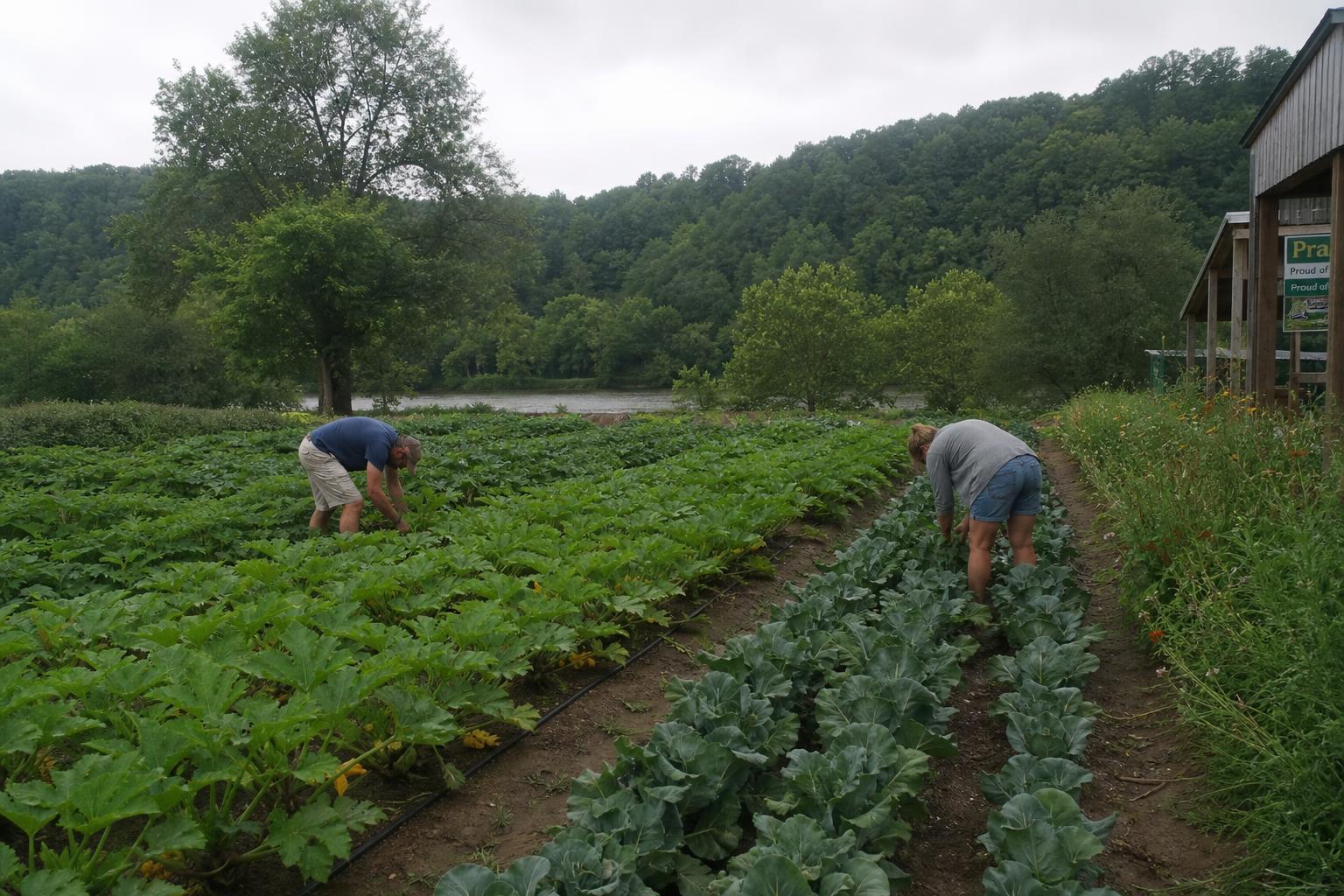
With seasonal heat intensifying in late June, local operations are closely monitoring crop development while seeking ways to optimize their marketing plans. Navigating these shifts requires a combination of robust risk management and forward-looking agronomic practices, which are key themes in current Missouri's grain market strategies.
Waterway Protection and Sustainable Practices in Missouri
Missouri farmers are increasingly embracing conservation practices designed to protect the state's vital waterways. Implementing cover crops, establishing buffer strips, and optimizing nutrient applications are helping reduce runoff into local streams and rivers. These actions not only safeguard water quality but also build soil health, providing a more resilient foundation for future cash crops during dry summer spells.
In addition to standard soil conservation, some growers are exploring alternative, climate-friendly grains. While establishing broad commercial markets for these specialty grains remains a challenge, regional outlets such as the craft beer industry are emerging as potential buyers, offering a unique avenue for producers looking to diversify their crop rotations and capture premium prices.
Weighing Legal and Agronomic Risks
Summer crop management in Missouri also demands heightened awareness of herbicide application risks. The state's agricultural sector has faced high-stakes challenges over crop damage, highlighted by the landmark $265 million judgment won by Bader Farms in a dicamba-related lawsuit against Bayer and BASF. This major legal decision underscores the critical importance of drift mitigation, strict adherence to application labels, and open communication among neighboring operations during the active spraying season.
Key Takeaways for Missouri Growers
- Stewardship pays off: Adopting conservation practices helps protect local watersheds while improving long-term soil resilience.
- Explore niche markets: Keep an eye on regional buyers, such as craft breweries, for specialty or climate-friendly grain varieties that lack traditional elevator access.
- Minimize drift risk: Given the legal precedents in the state, precise chemical application and neighbor-to-neighbor communication are essential to avoid costly drift disputes.
What it means for the market
For Missouri's agricultural community, the summer season represents both a period of intense operational focus and an opportunity to assess long-term strategies. By balancing careful chemical management with proactive conservation and exploring alternative market outlets, local growers can better insulate their operations from volatile commodity pricing and regulatory pressures.
Comments
No comments yet - be the first to share your take.