
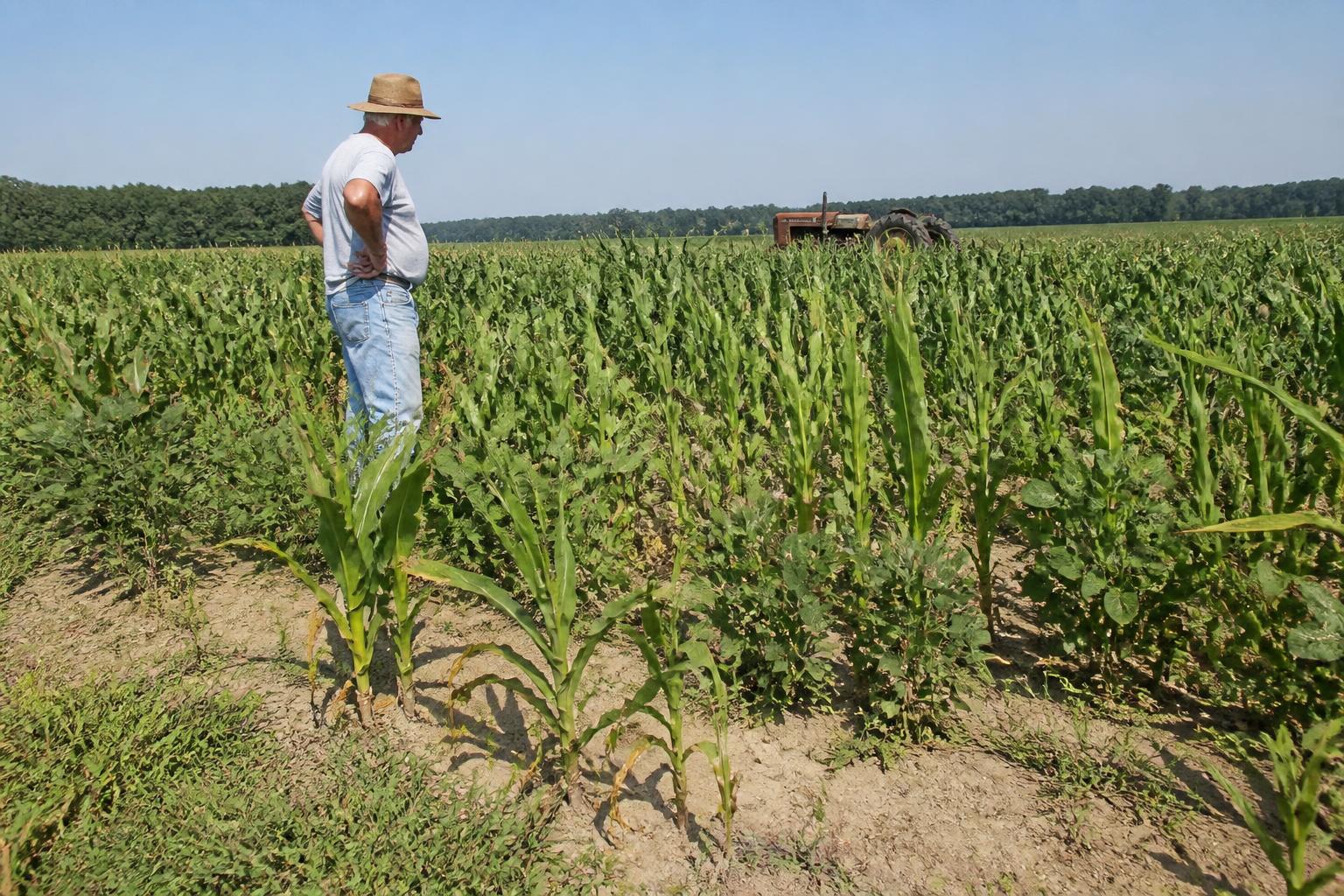
As the summer harvest season progresses across Georgia, producers are encountering a difficult economic landscape defined by narrowing margins. For many operations, the high cost of essential inputs, particularly fertilizer and fuel, has become a primary concern that complicates planning for the remainder of the growing year. While some growers continue to weigh the long-term benefits of aggressive nutrient management against immediate financial risks, others are feeling the impact of fluctuating commodity values.
Supply Chain and Market Headwinds
The broader agricultural sector is also seeing signs of cooling demand, which has ripple effects throughout the logistics chain. Recent shifts in the manufacturing sector, including workforce adjustments at major equipment suppliers, highlight a broader trend of cautious spending in the industry. For farmers, this environment means that navigating infrastructure and seasonal flux is more critical than ever to ensure that crops move efficiently from field to market.
Logistics and Resource Management
As state agencies and producers coordinate on regional challenges, the focus remains on maintaining operational efficiency. Whether dealing with shifting summer resource demands or managing specialized freight logistics, producers are keeping a close watch on transportation corridors across the state. Staying agile in this environment often requires proactive communication with grain handlers and carriers to anticipate potential bottlenecks during peak movement.
What it means for the market
For the average Georgia agribusiness, the current environment suggests a need for tightened operational control. As producers look toward the final stages of the season, maintaining lean inventory and optimizing transit routes will be key to weathering the pressure of higher costs and softening demand. Watching for regional logistics updates remains essential for those looking to protect their bottom line during these volatile late-summer weeks.
Comments
No comments yet - be the first to share your take.