
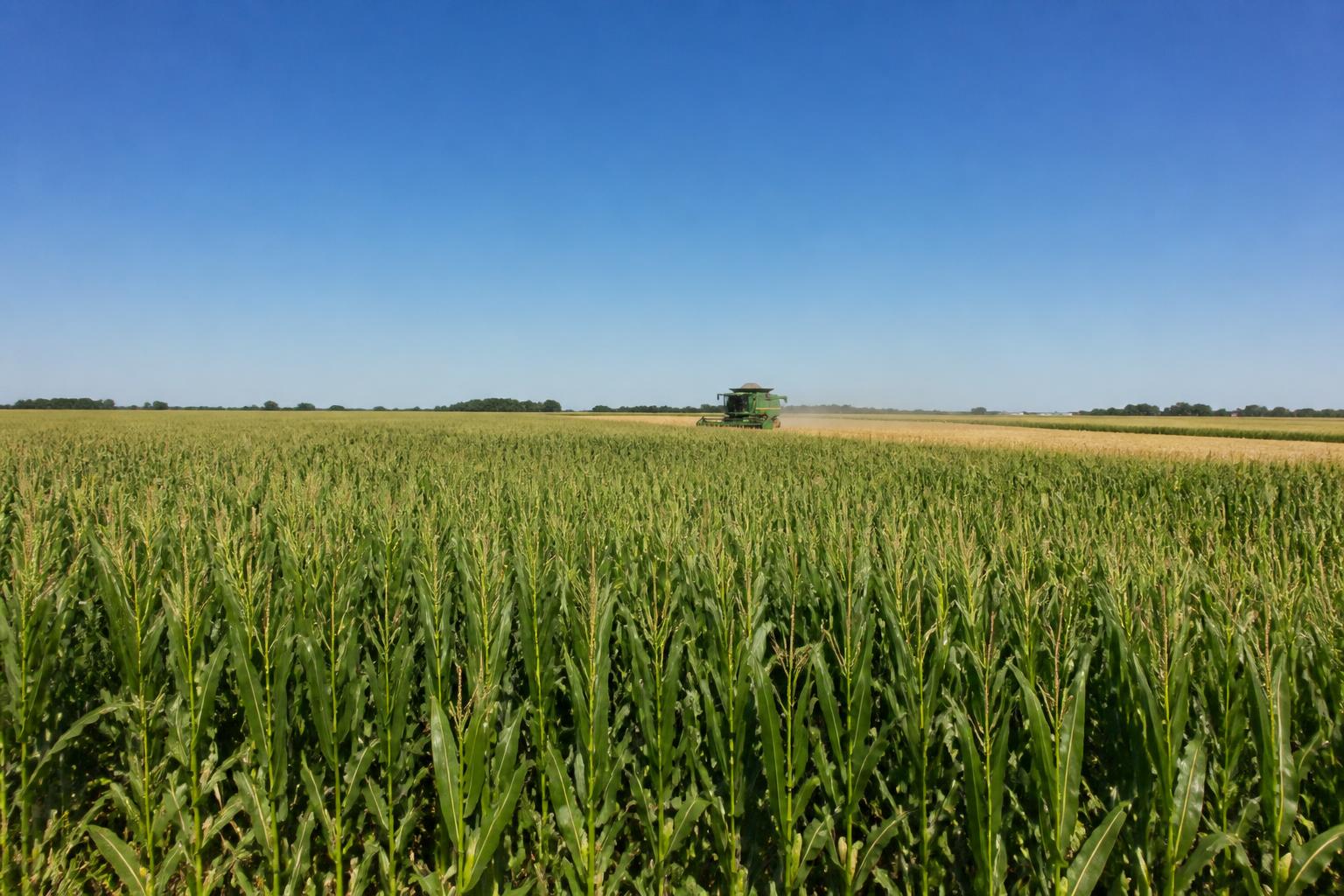
As the late summer harvest progresses across North Dakota, producers are shifting their focus to the logistical challenges of moving crops from expansive fields to local storage and processing facilities. Efficiency in the field is often dictated by the ability to keep machinery running, with many operators emphasizing the importance of coordinated transport to minimize downtime between passes.
For those managing large-scale operations, the pressure to optimize harvest logistics often requires careful planning of grain cart placement and truck rotations. With field conditions varying, keeping heavy equipment moving while maintaining safe access to regional transport corridors is essential for preserving crop quality and managing seasonal labor demands.
Infrastructure and Processing Updates
The agricultural supply chain in North Dakota continues to evolve, with new localized processing capacity appearing in key hubs like Minot. These developments can provide regional growers with more options for product handling, potentially reducing the length of hauls for specific commodities. Strategic use of these facilities, alongside established grain storage infrastructure, can help mitigate some of the traditional seasonal bottlenecks experienced during peak harvest weeks.
Operational Readiness
As the season wears on, keeping a close watch on equipment maintenance is critical. In many parts of the state, the combination of high temperatures and the intensity of continuous harvest cycles places significant stress on machinery. Producers are frequently evaluating their current tech suites, including guidance systems and sensor data, to ensure that every acre is harvested with the highest possible level of precision, regardless of the fluctuating pace of the season.
What it means for the market
The convergence of active harvesting and updated processing capacity highlights the importance of logistics management for North Dakota producers. By refining how crops move from the combine to the bin or the processing plant, farmers may better navigate the risks associated with volatile market windows and late-season operational stressors.
Comments
No comments yet - be the first to share your take.