
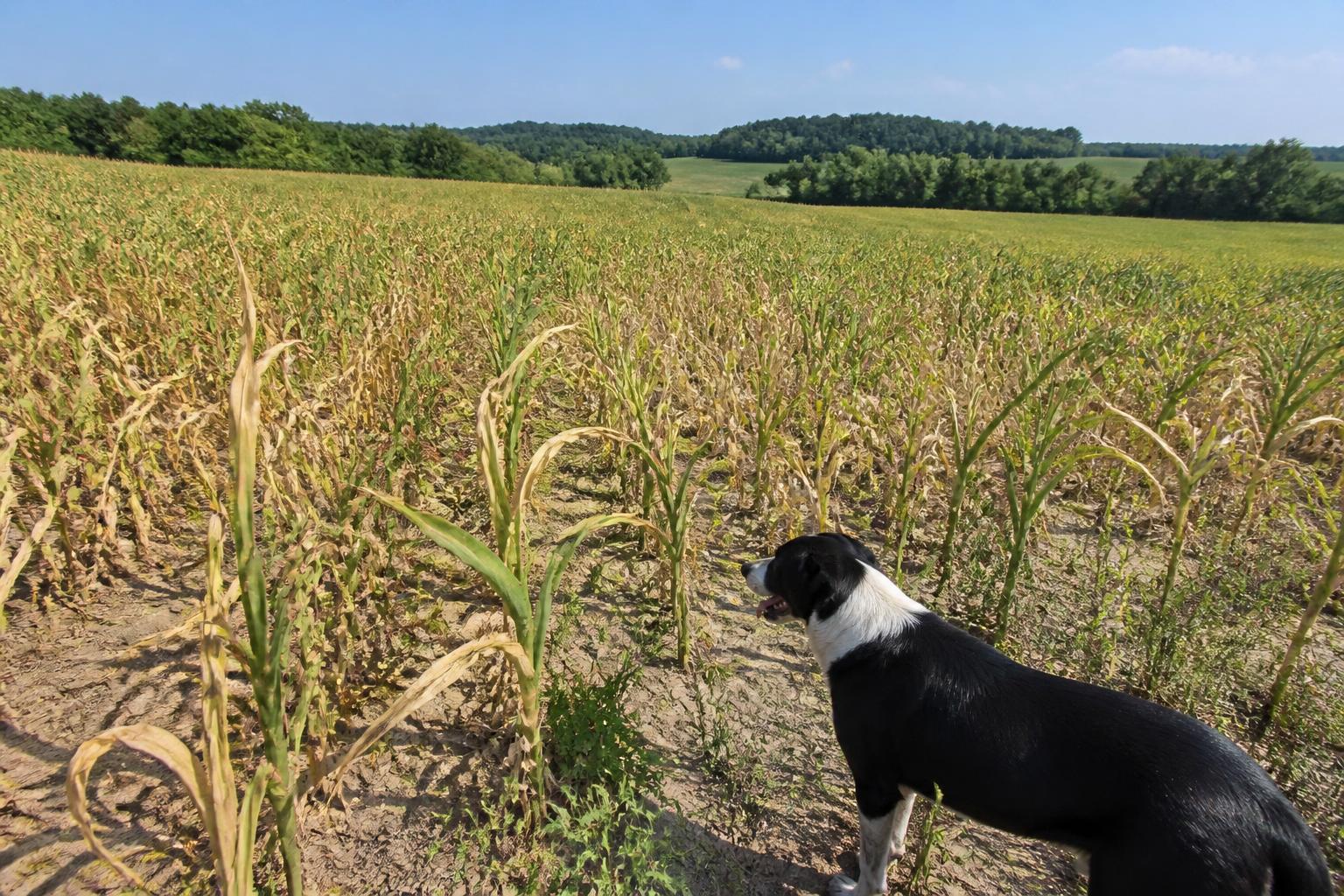
The Escalating Drought Crisis
North Carolina producers are currently contending with an unforgiving growing season as extreme heat and moisture deficits intensify across the state. With a significant portion of the region now classified under extreme or exceptional drought status, the window for late-season crop recovery is closing rapidly. This moisture deficiency is hitting crops hard at a critical developmental stage, leaving many agribusinesses to assess the extent of potential losses.
As moisture levels drop, the secondary impacts on farm health and field operations have become unavoidable. The strain on soil moisture is not just affecting plant health but is also complicating standard grain logistics and harvest planning for the coming months. Elevators and handlers are keeping a close watch on these conditions, as they often lead to uneven crop maturation and yield variability that can disrupt storage and transport timelines.
Operational Challenges and Resource Management
Beyond the direct agronomic impact, the current environment has forced many operations to pivot their management strategies. Input cost containment has become a primary focus, as farmers work to maximize the efficiency of available resources in an environment that is currently hostile to standard yield expectations. In addition to water management, growers are evaluating long-term soil health strategies, including the use of innovative soil amendments or carbon-capture techniques, to build future resiliency against similar climate cycles.
The logistical landscape across North Carolina remains equally sensitive. Beyond the environmental variables, rural road infrastructure and labor availability continue to be persistent pressure points for the agricultural supply chain. Maintaining consistent movement of inputs and commodities remains vital, and operators are encouraged to coordinate early with local partners to mitigate potential bottlenecks as market conditions shift.
What it means for the market
For grain handlers and agribusinesses, the current drought volatility suggests a high-risk period for procurement and storage. Expect local basis levels to remain sensitive to yield updates as harvest approaches. Producers should prioritize finalizing their delivery contracts and confirming transportation capacity, as the combination of extreme weather and regional infrastructure constraints could lead to localized delays during the height of the harvest season.
Comments
No comments yet - be the first to share your take.