
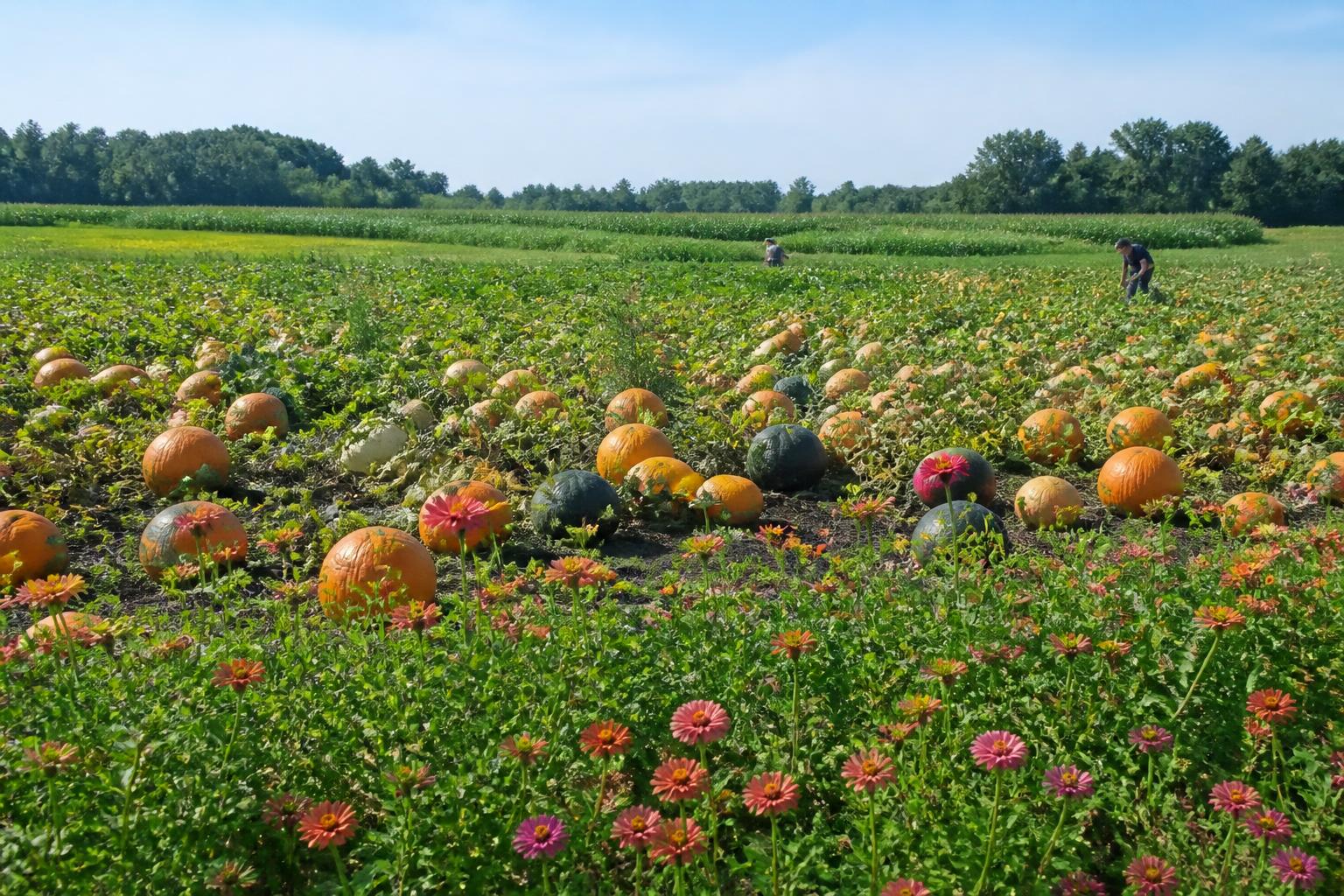
As the late summer window progresses, Maryland agricultural producers remain focused on managing field access while keeping a close eye on the broader grain infrastructure that sustains the state's productivity. Balancing seasonal workflows with the long-term maintenance of storage and transport assets continues to be a priority for many operations, particularly as harvesting cycles approach.
Proactive management of these logistics is essential, as local bottlenecks can often disrupt the flow of grain from the field to regional processing hubs. Growers, carriers, and elevator managers are increasingly emphasizing efficiency to mitigate potential risks before the height of the fall season. For more on optimizing these workflows, see our latest analysis on Maryland harvest logistics.
Preserving Regional Capacity
Investment in storage and distribution facilities remains a cornerstone of the Maryland agricultural sector. In various counties, local efforts to acquire or modernize existing grain elevators demonstrate a commitment to protecting the state's capacity to handle localized production. These initiatives help ensure that even as the landscape shifts, the fundamental ability to store and transport grain remains stable for those who depend on it for year-round market access.
Furthermore, maintaining smooth operations often requires careful coordination with local labor and transit providers. As highlighted in recent reports on grain logistics and labor shifts, being prepared for these mid-summer changes can help farmers better position their commodities for the coming months.
Managing Field and Logistics Pressures
While infrastructure investment secures long-term potential, immediate operational challenges, such as pest management and field accessibility, demand attention. Growers in affected regions are navigating strict regulatory environments to ensure that movement through state corridors remains compliant and efficient. Keeping up with these localized logistics requirements is key to maintaining consistent output; additional context on these pressures can be found in our guide on managing field access and pest pressures.
What it means for the market: Maryland producers who prioritize the upkeep of regional storage and stay agile regarding logistical shifts are better positioned to navigate the complexities of the current season. By focusing on both short-term compliance and long-term asset preservation, the state’s agricultural community can better insulate its grain market from potential volatility.
Comments
No comments yet - be the first to share your take.