
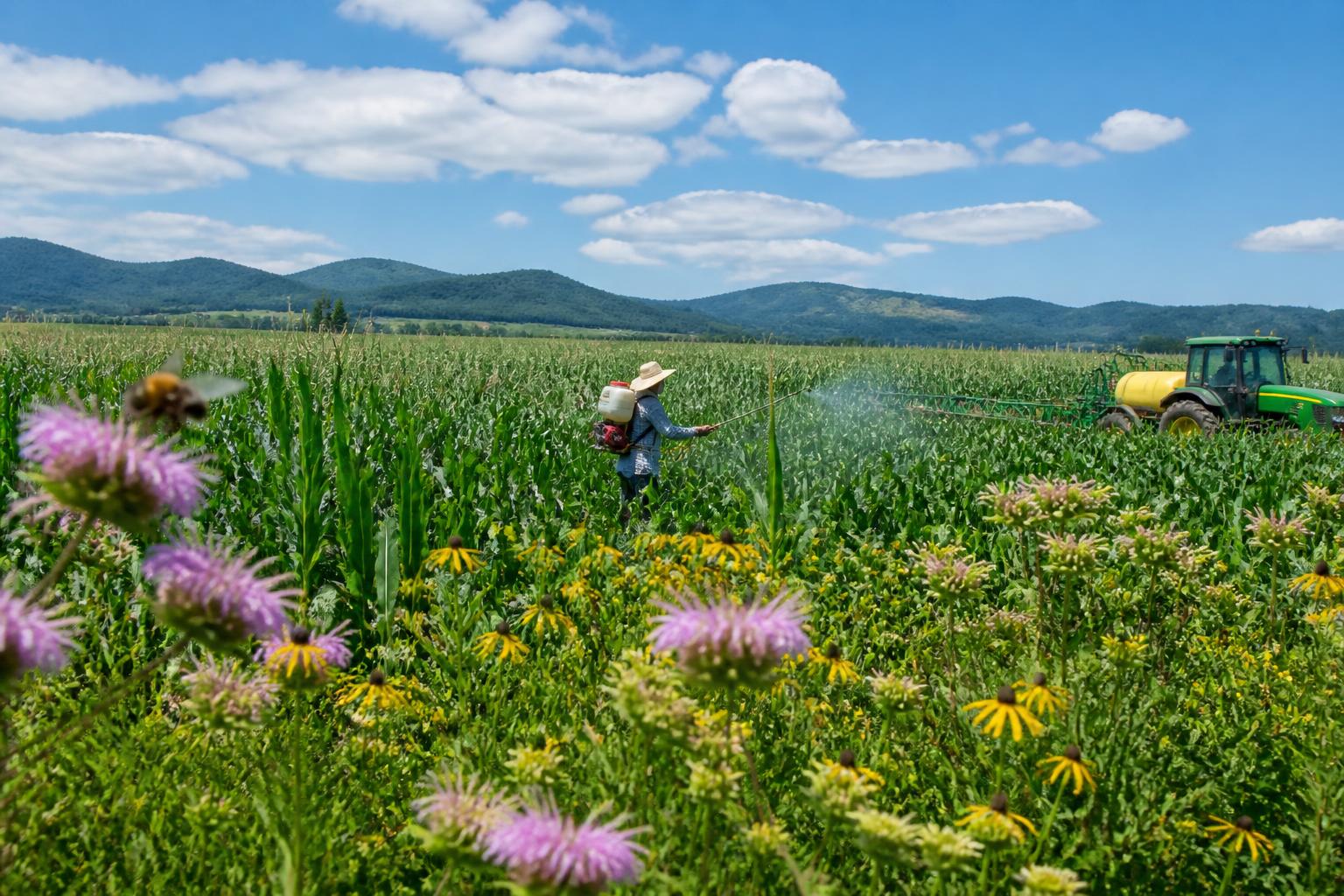
As we move through the final stretch of August, Vermont corn producers are navigating a complex field management landscape. With the crop in advanced development stages, the focus has shifted toward finalizing critical nutrient and protection strategies to ensure robust harvest outcomes. Monitoring late-season nitrogen requirements and timing fungicide applications remain top priorities for many operations looking to protect their yield potential against seasonal pressure.
Optimizing Field Management for Late-Season Yields
For Vermont farmers, the window for effective nutrient application is narrowing. Proper timing of late-season nitrogen is essential, as the plant's uptake requirements peak during these developmental phases. Beyond nutrition, maintaining crop health through the end of the summer is equally vital. Strategic use of fungicides can be a deciding factor in mitigating fungal diseases that often flourish in the humid conditions common to our region during late summer. Utilizing precision tools to identify stress areas can help operators target their efforts more efficiently, potentially saving on input costs while preserving the bottom line.
As producers evaluate their standing crops, it is important to reflect on broader market dynamics that influence decision-making. For a deeper look at how local growers are managing their bottom line amidst these shifting pressures, read our recent analysis on Vermont farm resilience. Balancing the technical demands of the field with market-ready logistics is a hallmark of success for operations in our state.
Logistics and Regional Market Outlook
Effective storage and distribution strategies are as important as the growing practices themselves. As harvest nears, food hubs across Vermont continue to receive support, which may improve access for smaller operations looking to move local products into broader distribution channels. This infrastructure support is increasingly important as the sector adapts to regional economic shifts, including changes in the dairy industry and the ongoing transition toward diversified beef production in some parts of the state.
What it means for the market: For the Vermont agricultural community, the late summer period is a delicate balance of protecting the standing crop and preparing for the logistics of harvest. Farmers who utilize site-specific data to manage nitrogen and fungicide applications are better positioned to weather the volatility inherent in current input costs, ultimately improving their leverage as grain moves from the field to storage and toward the consumer market.
Comments
No comments yet - be the first to share your take.