
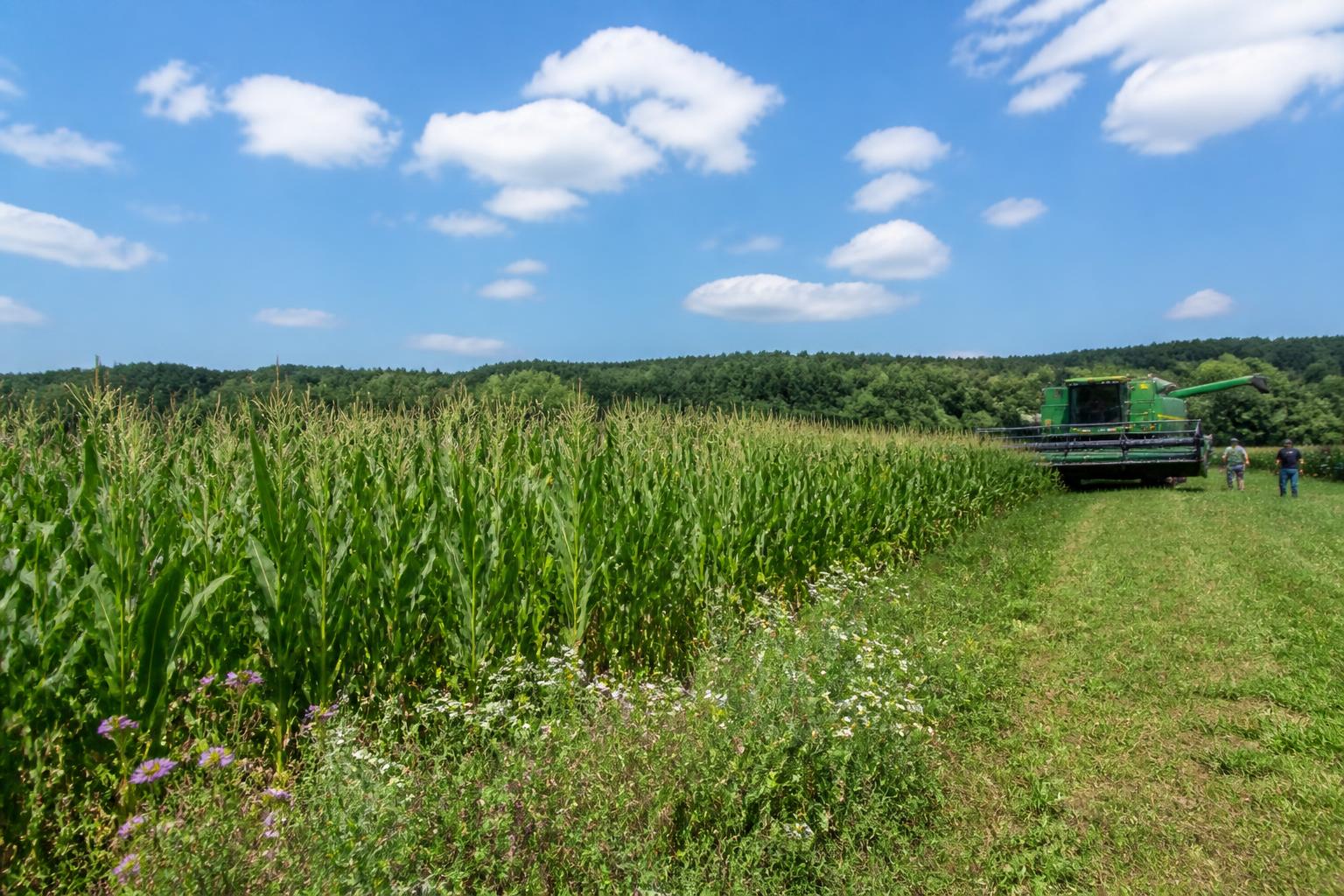
As Vermont farmers progress through the final stages of the summer season, the dual pressure of tightening margins and shifting production requirements remains a central concern. Across the state, agricultural operators are carefully evaluating their spending on essential inputs, as volatility in the grain and seed markets continues to complicate long-term budgeting. These shifts in non-treated seed options and broader input supply chains have required many local growers to rethink their traditional procurement strategies.
Managing Input Volatility in a Changing Landscape
The complexity of securing high-quality seed and fertilizers has grown as producers contend with both global market pressures and regional production needs. Many farmers are looking for ways to stabilize their operational resilience through improved input management, balancing the need for yield stability with the rising costs of raw materials. In some northern counties, producers are reporting that these logistical challenges are often compounded by the need for more agile response times during the critical summer growth phases.
Environmental and Regulatory Adaptation
Beyond the ledger, Vermont producers continue to navigate a landscape defined by both environmental variability and evolving regulatory frameworks. The adoption of cover cropping as a conservation strategy is becoming more common, though farmers remain vigilant about the potential for increased herbicide reliance that can accompany these practices. Mid-season market adjustments remain a necessity as growers monitor weather-related impacts on crop development, ensuring that management practices remain as flexible as the regional climate requires.
What it means for the market: Producers who prioritize data-driven input tracking and diversified supply sourcing are better positioned to weather the current price fluctuations. While the summer season brings significant labor and logistical demands, focusing on efficient management of existing resources remains the most effective strategy for mitigating risk in the current Vermont agricultural environment.
Comments
No comments yet - be the first to share your take.