
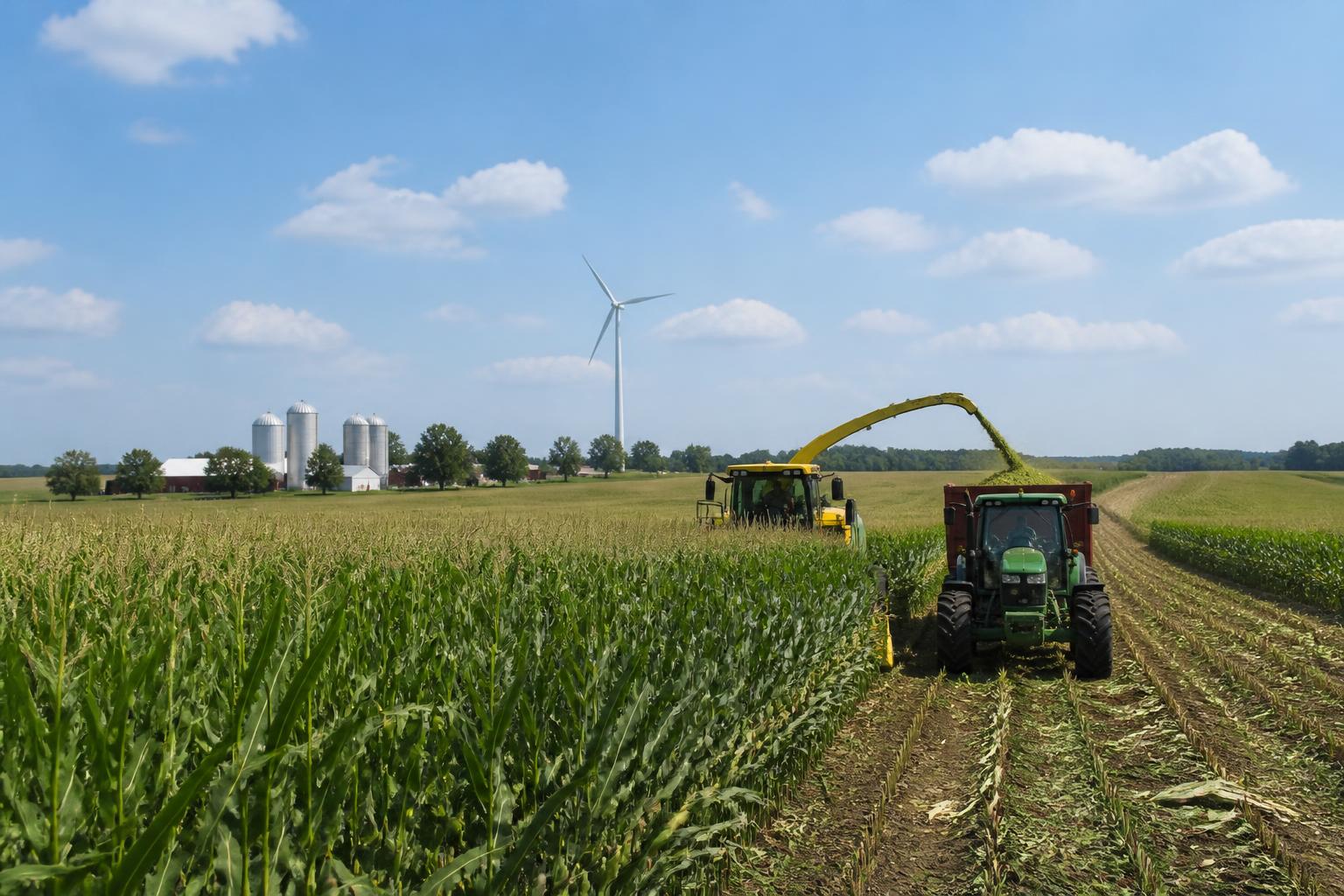
Mid-summer in Ohio brings a critical period for nutrient management and procurement planning. As farmers assess their crop performance, the focus shifts toward securing reliable supply chains for the upcoming cycles while monitoring shifting price trends. Producers are increasingly navigating fertilizer market volatility through more nuanced procurement strategies, aiming to balance immediate field requirements with long-term cost stability.
Operational efficiency is becoming a central theme across the state, from the fertile grounds of the Western Lake Erie Basin to the rolling hills in the southeast. With logistics playing a pivotal role in the bottom line, businesses and farmers are watching infrastructure developments closely, especially as federal transportation investments continue to impact agricultural corridors. These improvements are intended to bolster the flow of essential inputs, though local operators often find that managing nitrogen price fluctuations remains a top operational priority during the peak season.
Emerging Trends in Soil Nutrition
Innovation continues to influence how Ohio growers approach soil health. Beyond traditional chemical fertilizers, the industry is witnessing a surge in interest toward sustainable solutions. Collaborative projects, such as those pairing biogas production with organic fertilizer manufacturing, represent a growing commitment to circular agriculture within the state. These efforts seek to provide growers with viable, localized alternatives that may help mitigate reliance on global market swings.
Furthermore, the increased adoption of microbiological products is changing how many agronomists advise on nutrient availability. As these technologies gain traction, the shift is not just in what is being applied, but in how producers monitor nutrient uptake throughout the summer months to ensure optimal yield potential.
What it means for the market
For Ohio agribusinesses and independent growers, the current environment demands a proactive approach to risk management. As market dynamics continue to evolve, maintaining close relationships with local suppliers and staying informed on regional logistics updates is essential. With the integration of both advanced microbiological inputs and traditional supply chains, those who prioritize flexibility in their procurement planning will be better positioned to navigate the remainder of the growing season.
Comments
No comments yet - be the first to share your take.