
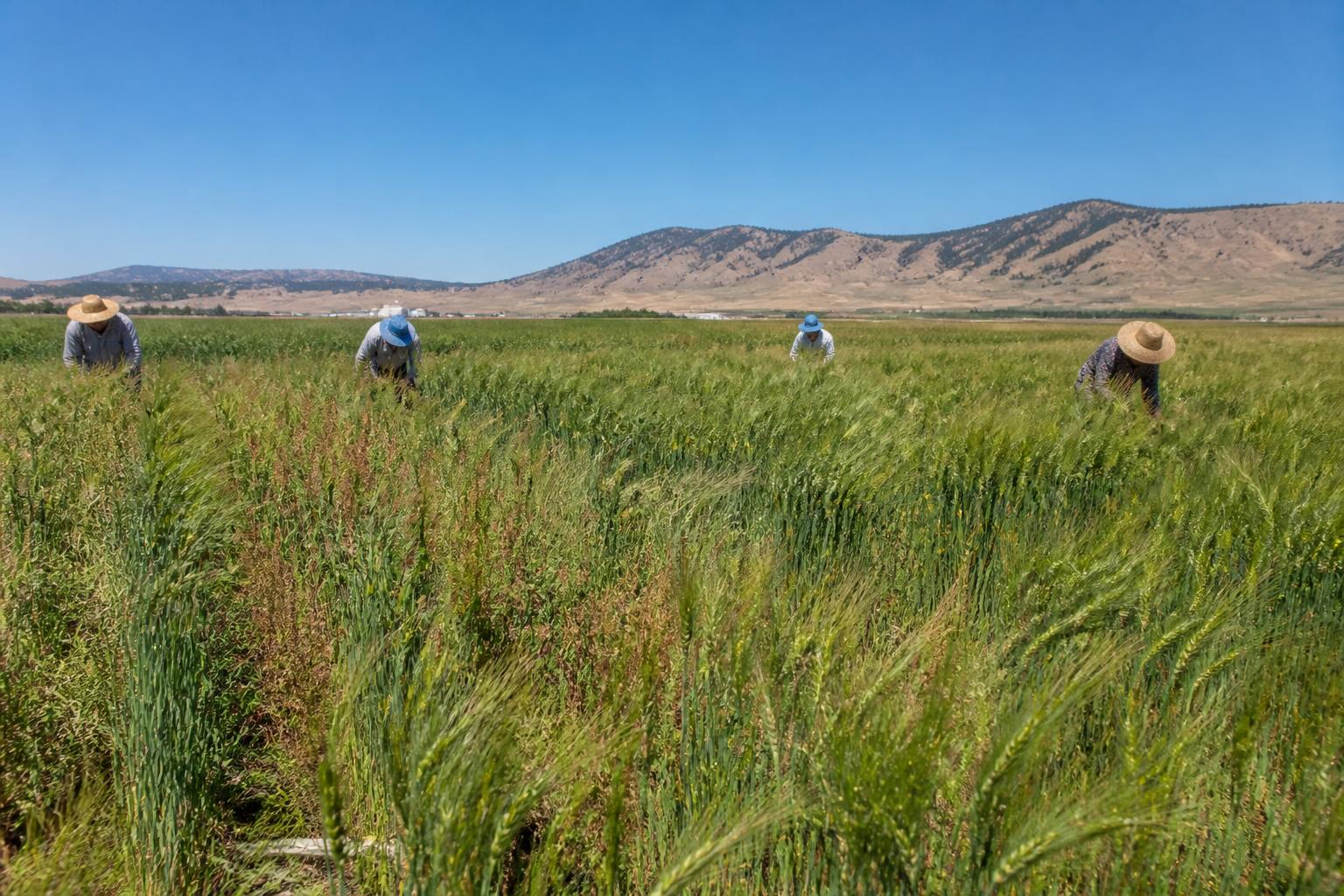
As Idaho moves through the late summer, producers across the state continue to balance operational efficiency with the realities of an evolving market. Whether managing soil health in the Snake River Plain or monitoring rotation patterns in northern regions, the current season demands a sharp focus on both field-level resilience and long-term logistics planning. For those preparing for the transition into harvest, attention to equipment maintenance and early-stage transport scheduling remains essential to mitigate potential bottlenecks in localized grain handling.
For many Idaho operators, the current market environment underscores the importance of staying informed on logistics and infrastructure shifts that can impact bottom-line profitability. While global demand fluctuates, identifying regional opportunities and staying ahead of regulatory changes often defines the difference between a challenging season and a productive one. Producers are increasingly utilizing research-backed management strategies to address input hurdles and improve overall farm resilience.
Tactical Adjustments for Sustained Production
Adaptability has become a hallmark of the Idaho agricultural landscape. From integrating new cereal varieties to exploring the potential of alternative crops, growers are proactively adjusting their rotations to better align with soil moisture availability and regional demand. This shift is mirrored by ongoing efforts within the industry to improve storage capacity and streamline the journey from field to end-user, ensuring that quality is preserved throughout the supply chain.
Managing Regulatory and Operational Risks
The regulatory environment remains a key concern for agribusinesses navigating shifting federal and state standards. As legislative bodies discuss the broader Farm Bill framework, local growers and handlers are reminded that stability often hinges on a consistent policy environment. Being aware of legislative milestones is not just for policymakers; it provides critical context for how inputs, credit, and trade may be affected in the coming months. Engaging with local harvest outlook strategies allows producers to better anticipate these fluctuations and protect their operations against unforeseen systemic disruptions.
What it means for the market
The late-summer outlook in Idaho suggests a period of measured caution. While production fundamentals remain strong, the emphasis for the remainder of the season is on mitigating risk through improved infrastructure management and informed decision-making. By prioritizing operational flexibility, Idaho’s agribusinesses can better position themselves to navigate the complexities of this year's harvest and beyond.
Comments
No comments yet - be the first to share your take.