
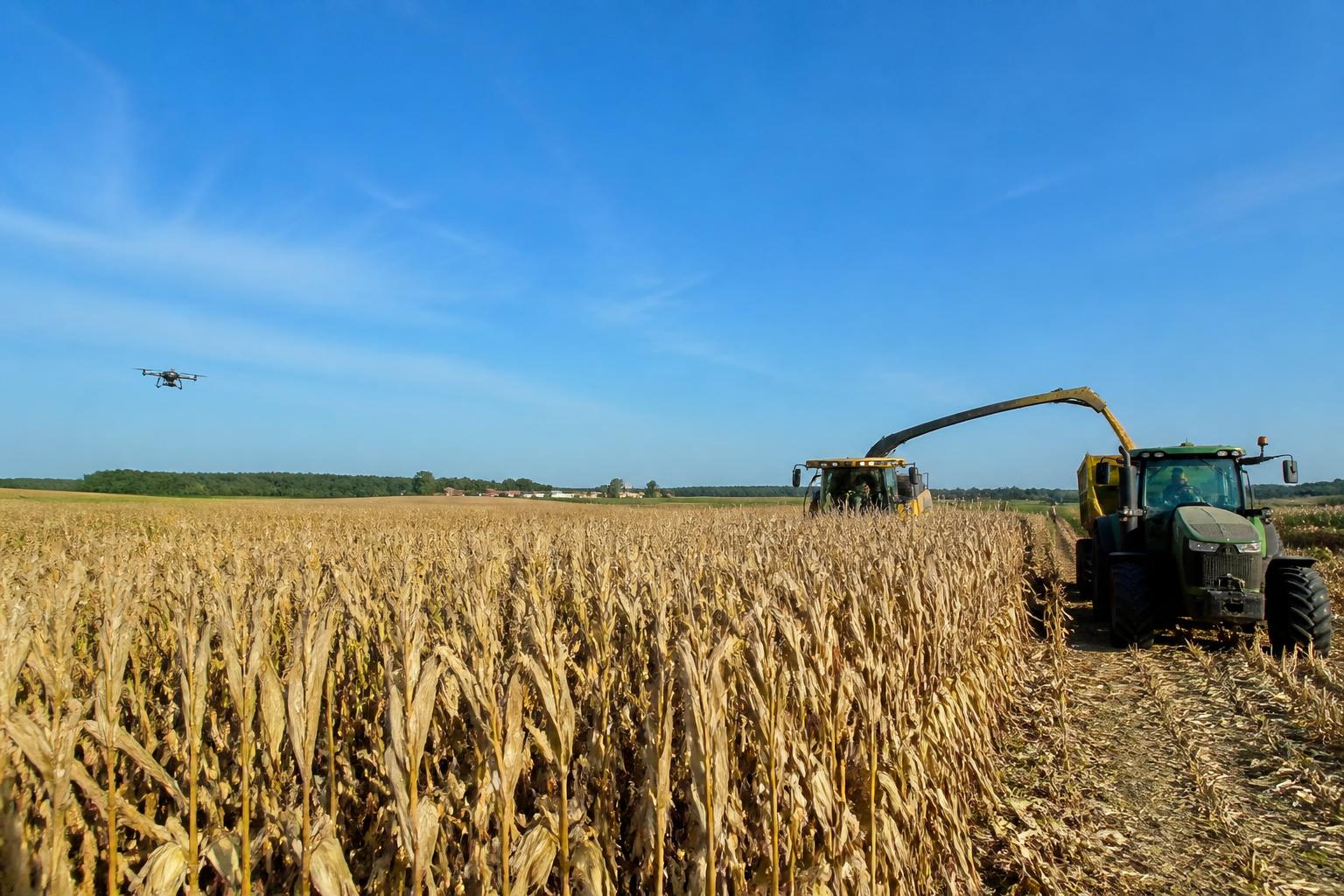
As Kansas producers move into the late-summer window, the focus shifts toward securing input supply chains and finalizing crop protection strategies. Midwestern farm groups are increasingly calling for accelerated federal probes into the fertilizer market, a move that could hold significant weight for operational costs as producers begin to evaluate their needs for the upcoming cycle.
For many operations, this period remains a critical junction for managing summer pest and disease pressure, which can often dictate final yield quality. As local elevators prepare for the influx of new-crop grain, maintaining efficient logistics remains a priority for growers navigating a complex environment of shifting market conditions and regional transport constraints.
Refining Input and Protection Strategies
Managing inputs effectively in the current climate requires a close eye on field conditions. Whether dealing with weed control or monitoring for late-season pathogens, Kansas growers are increasingly turning to advanced diagnostic tools to pinpoint treatment areas. Integrating data-driven input strategies can help operations optimize resources, especially when external market pressures remain volatile. Vigilance in fields across the state, from the high plains to the eastern corridors, remains essential for those looking to protect their bottom line during the final stretch of the growing season.
Logistics and Market Resilience
Efficient movement of goods remains a perennial challenge for Kansas agriculture. As the harvest season nears, aligning with local grain handlers and understanding the nuances of state-wide rail and transit operations can provide a necessary buffer against potential disruptions. Producers who prioritize early communication with cooperatives and transportation partners are often better positioned to mitigate the impacts of seasonal capacity bottlenecks.
What it means for the market
For the Kansas agribusiness community, the intersection of regulatory scrutiny over inputs and the push for higher on-farm efficiency is shaping the late-summer landscape. Producers who remain proactive—monitoring both the shifting federal stance on fertilizer pricing and the practical, on-the-ground requirements for crop security—will be better equipped to manage the financial risks that accompany the transition from summer growth to harvest.
Comments
No comments yet - be the first to share your take.