
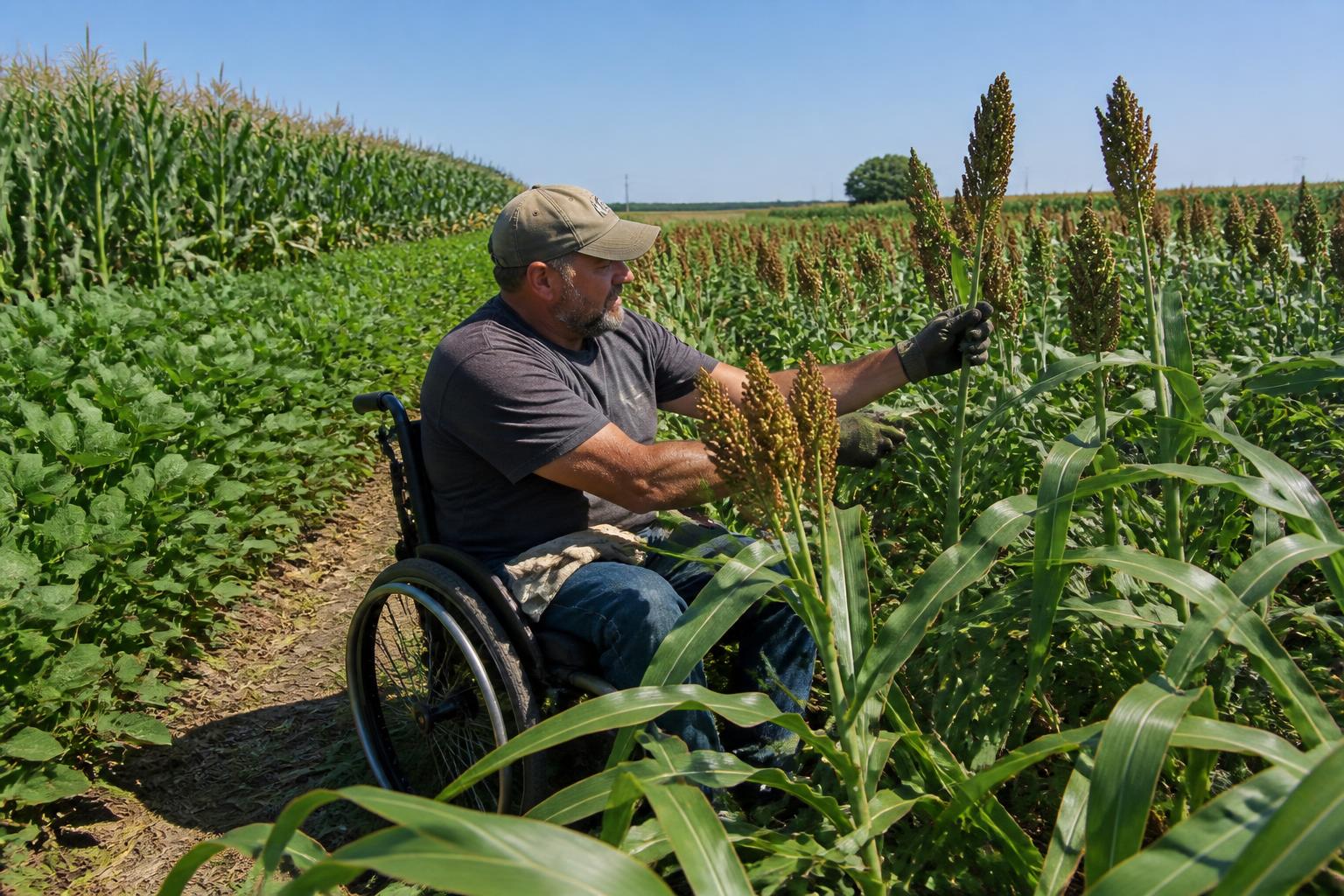
Mid-to-late summer remains a critical window for Nebraska growers as they balance the immediate demands of crop protection against broader economic considerations. Field conditions across the state's diverse regions, from the Platte River Valley to the northern plains, are presenting unique challenges this season, requiring producers to carefully calibrate their input applications to maintain yield potential while controlling overhead.
Reports from across the state suggest that insect pressure remains highly variable. While some areas are observing manageable thresholds, others are seeing localized spikes that necessitate tactical, cost-effective interventions. Industry specialists have recently emphasized the importance of rigorous scouting to avoid unnecessary treatments, urging producers to weigh the long-term return on investment for each insecticide application as they work through navigating input costs and field security in Nebraska.
Strategic Inputs and Field Management
Beyond immediate pest control, the focus on managing input efficacy continues to be a priority. Whether evaluating the performance of generic versus name-brand pesticides or deciding on future preventative measures, the data suggests that a proactive, science-backed approach often yields better consistency than reactive, broad-spectrum methods. For many farmers, understanding the specific environmental stressors affecting their acreage is the first step in optimizing these protection dollars.
Adapting to Evolving Field Conditions
Nebraska's agriculture sector is also seeing a shift toward greater technological integration and research-backed field practices to mitigate yield risks. From ongoing developments in soil management to the introduction of advanced ag-tech pavilions at regional trade events, the industry is increasingly focused on resiliency. As harvest approaches, these efforts to secure crop health now will serve as the foundation for finishing the season strong.
What it means for the market
For agribusinesses and grain handlers, these trends indicate a sustained demand for precise, value-driven input solutions. As growers finalize their late-season protection plans, the market is favoring those who can demonstrate clear, measurable ROI. Maintaining tight control over input costs today will be essential for producer profitability as the industry prepares for the upcoming harvest logistics and seasonal transition.
Comments
No comments yet - be the first to share your take.