
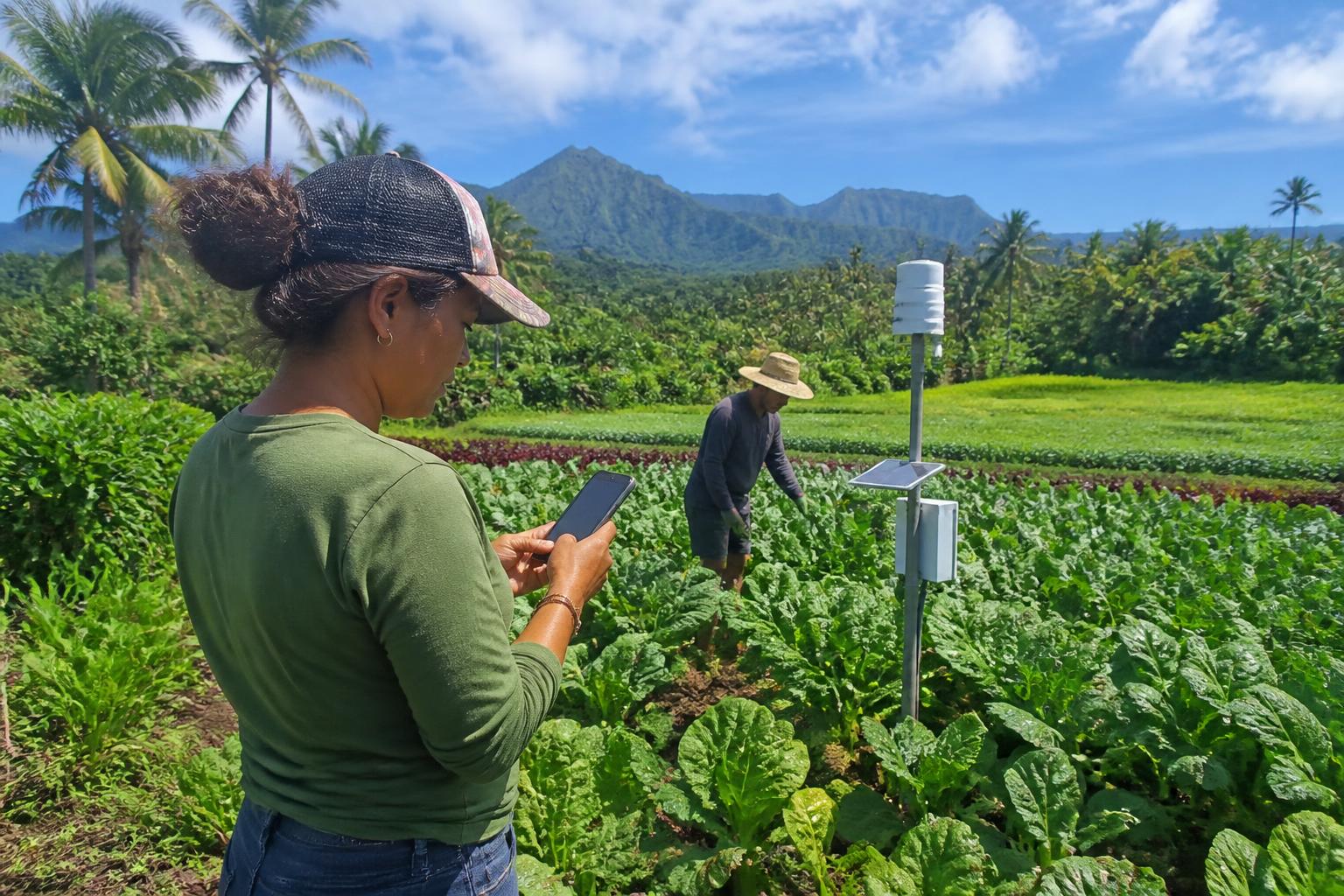
For Hawaii's agricultural sector, the mid-summer period serves as a critical window for soil management and nutrient application. As producers evaluate their input requirements for the upcoming season, the reliability of the supply chain remains a primary concern. The ability to source consistent, high-quality fertilizers depends heavily on the state's intricate interisland shipping networks, which continue to face operational hurdles.
State authorities and transportation agencies are currently looking at ways to improve support for interisland logistics. For many growers in regions like the Big Island or Maui, these enhancements are essential to lowering the cost of operations and ensuring that essential inputs reach farms in a timely manner. Delays in maritime transport can disrupt planting cycles, making local logistics a decisive factor in seasonal crop success.
Addressing Input Costs and Sustainability
Beyond traditional shipping bottlenecks, Hawaii's agricultural community is increasingly focused on sustainable alternatives to conventional synthetic fertilizers. Local efforts to turn organic waste, such as vermicompost, into viable soil amendments are gaining momentum. These initiatives not only help mitigate some of the risks associated with global supply chain disruptions but also align with broader environmental stewardship goals across the islands.
The push for such innovation is timely, especially as farmers navigate complex issues surrounding land management and local sourcing strategies to maintain economic viability. By diversifying nutrient sources, operations can better insulate themselves from the volatility often seen in imported chemical fertilizer markets, which are sensitive to global geopolitical tensions and shipping fuel costs.
What it means for the market
Producers should prioritize long-term planning for fertilizer procurement, accounting for potential maritime delays and the increasing necessity of local, circular economy inputs. As logistical support policies evolve, keeping a close watch on interisland transport efficiency will be key for maintaining margins and ensuring soil productivity throughout the diverse microclimates of Hawaii.
Comments
No comments yet - be the first to share your take.