
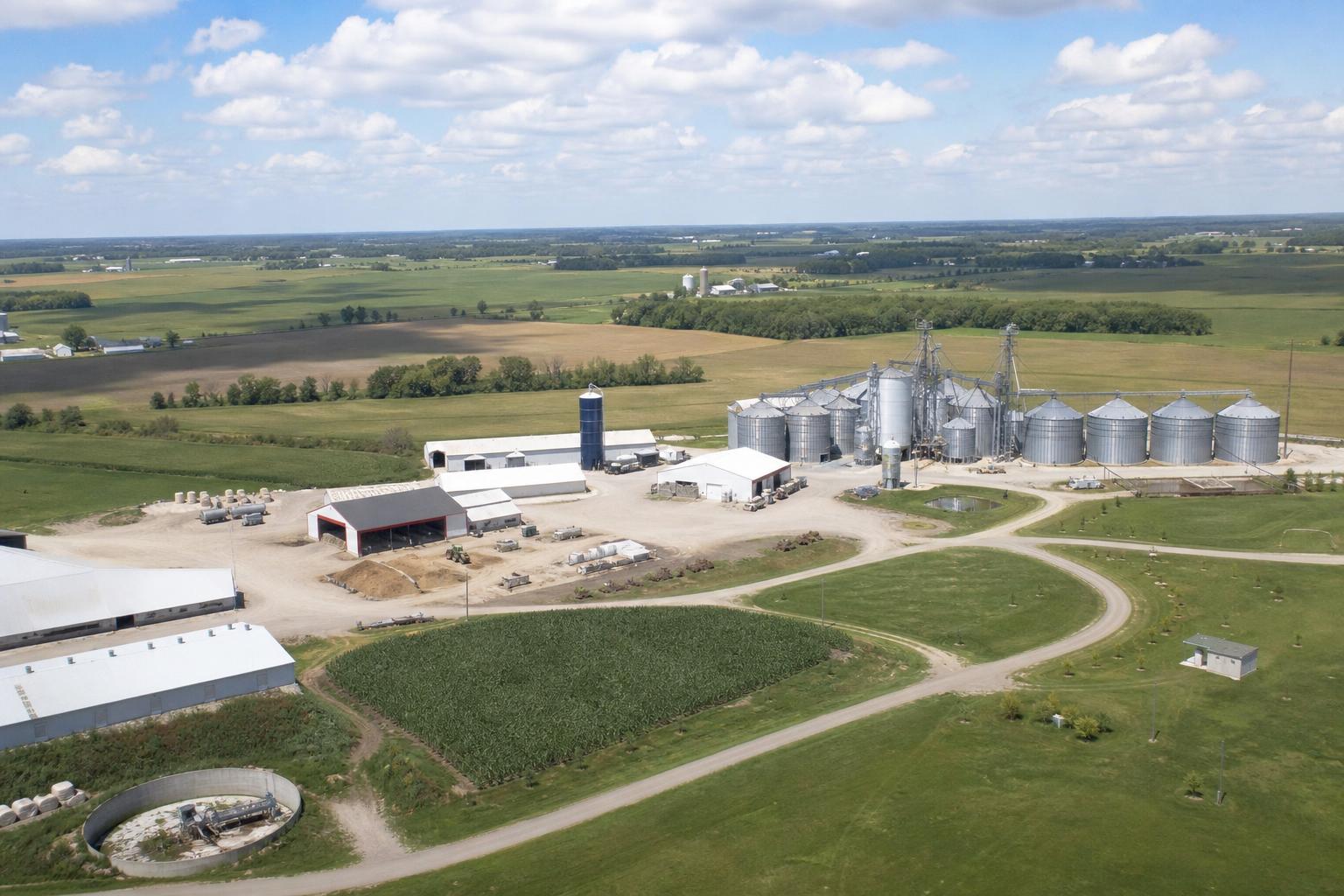
For operations utilizing key transportation corridors like Highway 10 or delivering to grain hubs near the Port of Milwaukee, logistics and input management remain top of mind. To better understand these shifting dynamics, keeping an eye on Wisconsin's agricultural market summer trends is essential for planning late-season marketing and storage strategies.
Spring Planting Delays and Crop Management
The early part of the 2026 season brought persistent cool temperatures and wet soils, forcing many Wisconsin corn and soybean growers to delay fieldwork. While these delays compressed the planting window, recent warmer summer weather has helped crops emerge. Local leadership transitions, including new leadership elected by the Wisconsin Corn Growers, come at a time when producers must closely monitor crop development and soil conditions to optimize yield potential.
In regions like the Central Sands, where grain often rotates with potato production (Wisconsin ranks as the third-largest potato producer in the United States), water management and nutrient applications are under close scrutiny. Growers are balancing the need for crop nutrition with growing local concerns over agricultural runoff, which is likely to force more drinking water restrictions in vulnerable rural watersheds.
Fertilizer Market Transparency and Conservation Initiatives
Input costs remain a primary concern for Midwest grain operations. To address this, federal lawmakers, including Senators Baldwin, Grassley, and Ernst, have teamed up to introduce measures aimed at bringing more transparency to the fertilizer market. Increased clarity in input pricing could offer some relief to Wisconsin farmers who have faced volatile supply chains and high nutrient costs in recent seasons.
At the same time, conservation practices are taking center stage. Wisconsin farmers are increasingly leading on conservation efforts, adopting low-disturbance manure injection, cover cropping, and precision nutrient management. Education is also adapting to these needs; for instance, the University of Wisconsin-Platteville School of Agriculture recently received a grant from the CHS Foundation to enhance its precision agriculture curriculum, preparing the next generation to manage inputs more efficiently.
Shifting Demand in the Dairy State
The structural landscape of Wisconsin agriculture continues to evolve, directly impacting local feed grain demand. The state's dairy sector has seen significant contraction, with the total number of dairy farms dropping below 9,000 after losing more than 1,500 dairy farms over a two-year period. This decline alters traditional local demand for corn silage, feed grains, and alfalfa, forcing grain producers to look further down the supply chain or seek alternative marketing channels.
Key Takeaways for Wisconsin Operators
- Monitor Input Markets: Keep track of federal transparency initiatives that may impact late-season fertilizer pricing and availability.
- Optimize Storage: With compressed planting windows potentially leading to uneven harvest timing, investing in updated grain storage technology and integration solutions can help preserve crop quality.
- Adapt to Local Demand: Reduced dairy farm numbers mean grain growers must stay flexible, analyzing regional feed demand versus export opportunities through local ports.
What it means for the market
For Wisconsin grain market participants, the summer of 2026 is a test of efficiency and adaptability. The combination of delayed planting, evolving environmental regulations regarding fertilizer runoff, and structural shifts in the dairy sector means that traditional marketing patterns are shifting. Producers who utilize precision agriculture tools, optimize their storage capabilities, and closely monitor regional transport networks will be best positioned to protect their margins as the crop matures toward harvest.
Comments
No comments yet - be the first to share your take.