
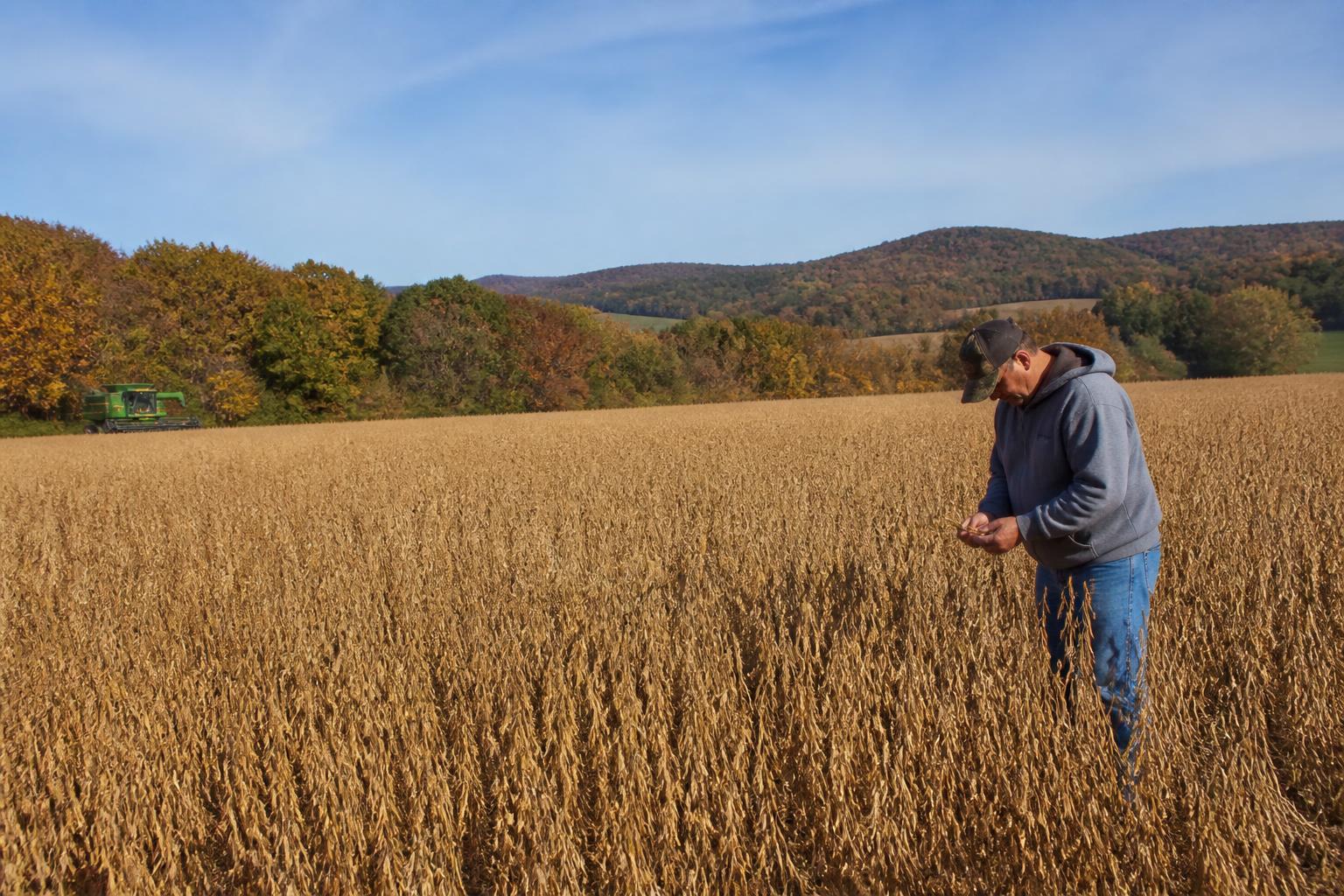
As we transition into September, Oklahoma producers and grain facilities are adjusting to a complex market landscape. With harvest considerations now at the forefront, the intersection of regional weather trends and broader national demand shifts continues to influence local storage and marketing decisions.
For many across the state, from the Panhandle to the Red River, this period often demands a closer look at operational efficiency. Whether you are finalizing harvest preparations or managing existing grain stocks, the current market climate highlights the value of leveraging agricultural cooperatives to optimize farm profitability and mitigate risk.
Managing Supply Chain Pressures
Logistical and input challenges remain a consistent theme for Oklahoma agribusinesses this fall. While regional conditions can fluctuate, many operators report that the balance between rising production costs and supply availability remains a delicate task. This makes it essential to stay informed on how shifting market pressures impact seasonal planning for grain handlers and producers alike.
Practical Steps for Post-Harvest Strategy
- Evaluate Storage Capacity: Ensure bins are prepared and aeration systems are fully functional to maintain grain quality through the fall.
- Review Marketing Plans: Given the mixed outlook for commodities, consider diversifying sales windows to protect against potential volatility.
- Monitor Regional Logistics: Keep a pulse on local trucking availability and potential transit delays that often emerge during peak harvest movement.
What it means for the market
The current environment underscores a need for cautious, data-driven decision-making. As the state moves further into the fall harvest cycle, prioritizing liquidity and maintaining strong relationships with local handlers will be key to navigating uncertainty and ensuring that regional operations remain resilient against broader national market shifts.
Comments
No comments yet - be the first to share your take.