
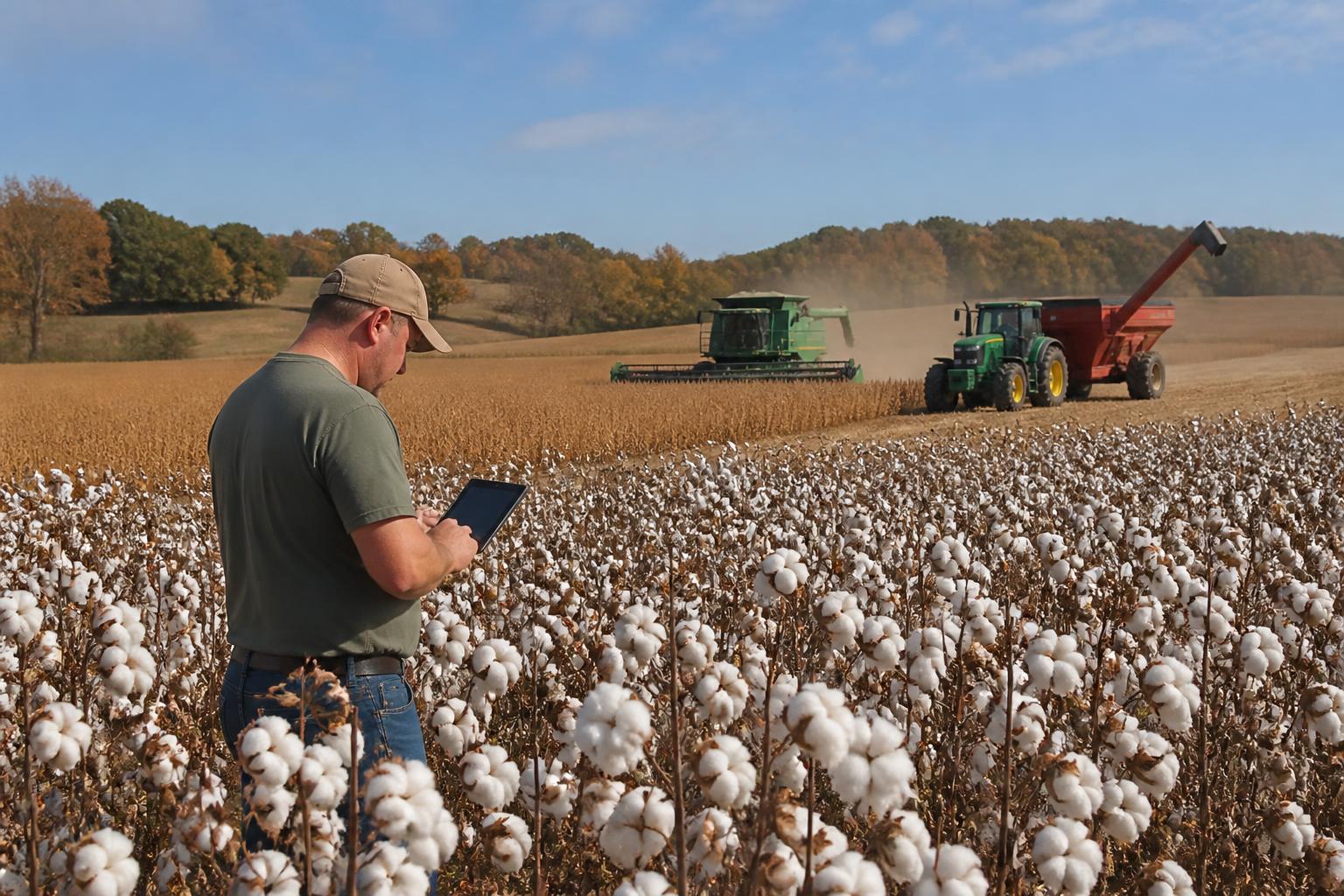
Transitioning to Harvest Readiness
As September arrives across Alabama, the agricultural landscape is undergoing a significant seasonal shift. For many growers, the immediate focus is moving from active growth stages toward final harvest preparations. This period is critical for ensuring that fields are optimized for the upcoming machinery traffic, with many farmers now wrapping up late-season scouting and maintenance programs to protect yield potential.
Producers are balancing these final tasks with the need to maintain infrastructure efficiency. Whether managing cotton stands or preparing for secondary crops, the integration of data-driven input management continues to play a vital role in balancing operational costs against fluctuating market signals. Even as grain markets show volatility, Alabama farmers remain committed to leveraging precision tools to ensure every acre contributes to the bottom line.
Managing Field Pressures
Effective weed control remains a priority, with many operations transitioning their focus to burndown programs. As the season progresses, minimizing competition in the field is essential to safeguarding the remaining crop potential before harvest begins. Managing these pressures correctly now helps prevent long-term soil health issues and keeps fields cleaner for post-harvest activity.
Furthermore, staying informed about regional management priorities can help producers navigate the unique challenges of the Alabama climate. From monitoring moisture levels to adjusting nutrient application strategies based on recent yield data, the ability to pivot quickly to changing environmental conditions is what often separates a successful season from a challenging one.
Infrastructure and Future Planning
Beyond the immediate field work, the conversation in Alabama agriculture is increasingly centered on long-term sustainability and resource optimization. Recent initiatives, including new tax incentives for irrigation installation, provide a pathway for growers to improve their resiliency against inconsistent rainfall patterns. Investing in this infrastructure now can significantly alter the risk profile for future growing seasons.
What it means for the market: For Alabama's agribusinesses and input suppliers, the next few weeks are defined by a high demand for harvest-ready equipment and late-season crop protection supplies. As the state's major crops solidify their position as a significant economic driver, producers who prioritize efficient, data-backed field management are better positioned to weather price fluctuations and maximize their return on investment as the fall harvest accelerates.
Comments
No comments yet - be the first to share your take.