
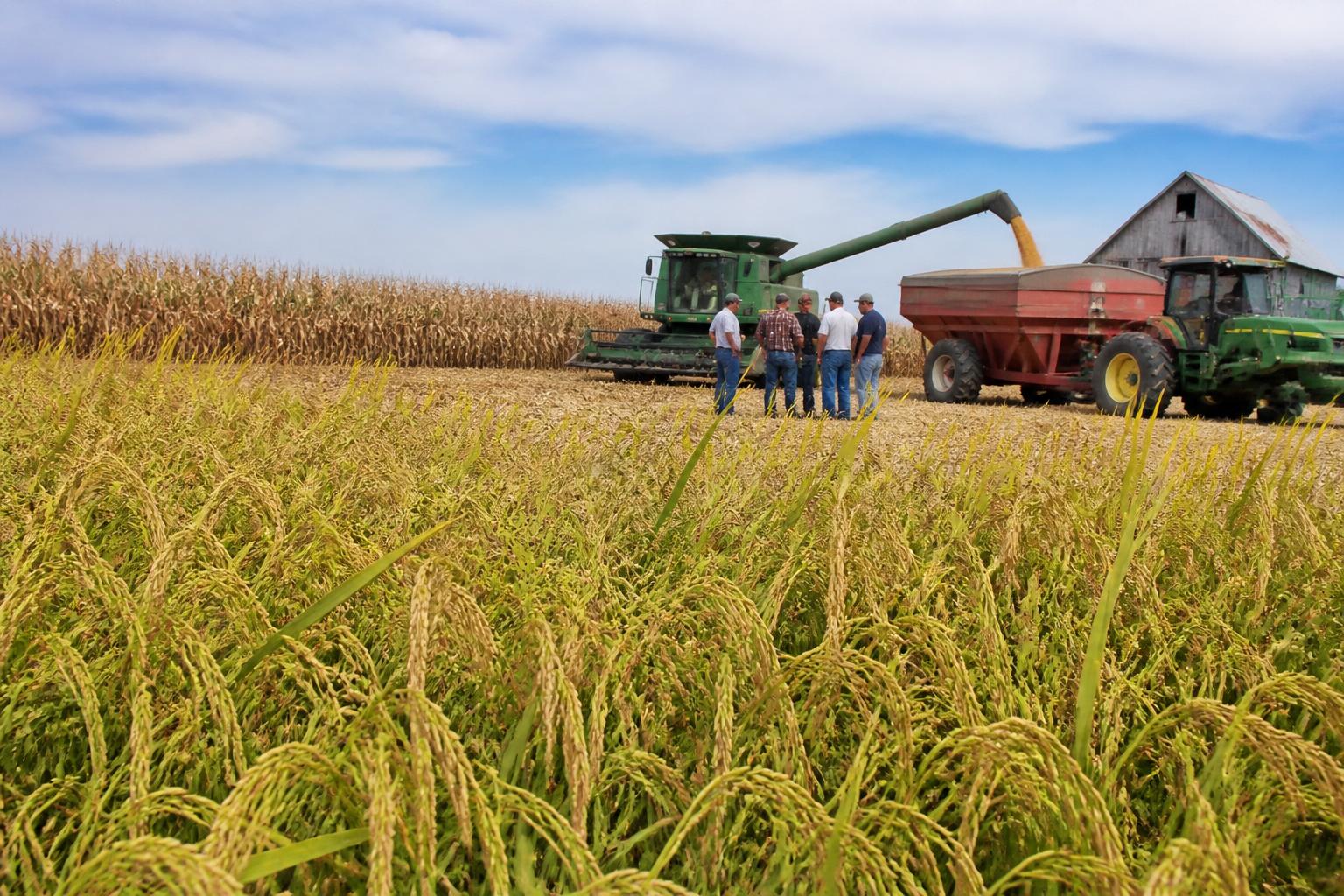
As the fall harvest season approaches across Arkansas, agricultural producers are increasingly focused on balancing input efficiency with long-term yield potential. With regional crop rotations shifting, including a notable rebound in corn acreage and sustained interest in medium-grain rice, managing crop protection remains a critical component of the bottom line for farm operations in the Delta and beyond.
Refining Input Strategies
For many growers throughout the state, the current phase involves assessing the success of recent pest and weed control programs. Identifying which pests can be managed with lower-intensity interventions and which require robust, high-input defense is essential for protecting profit margins. As supply chain conditions evolve, securing necessary chemistry and fertilizer inputs requires proactive planning, especially as the industry monitors global supply volatility.
Regional Logistics and Market Pressures
Harvest logistics in Arkansas often demand precise timing as grain starts moving toward local elevators and regional processing facilities. Ensuring that field equipment is optimized for current conditions can help mitigate losses during this busy period. Furthermore, state-level discussions regarding agricultural policy and new funding opportunities continue to provide a foundation for startups and established farms alike to explore better technology-driven solutions for field health.
What it means for the market
For Arkansas agribusinesses and producers, the upcoming season necessitates a disciplined approach to input allocation. By prioritizing data-driven protection strategies and remaining agile in the face of shifting acreage trends, growers can better navigate potential market fluctuations. Maintaining clear communication with local supply partners and staying informed on regional crop health developments remains the most effective way to protect asset value as the harvest window closes.
Comments
No comments yet - be the first to share your take.