
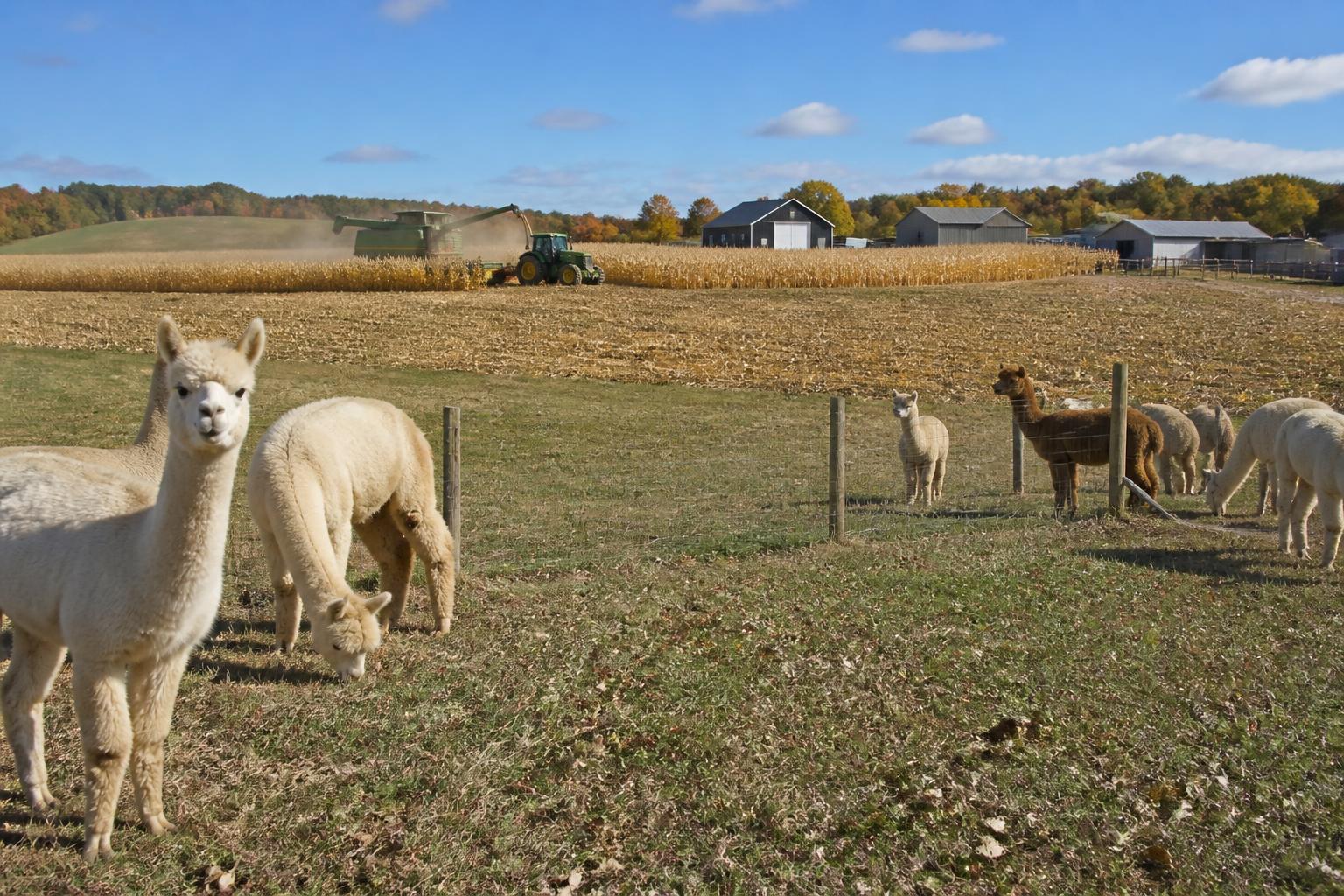
As the fall harvest season gains momentum across Minnesota, producers are shifting their focus from intensive crop management to the logistics of field-side efficiency. With the season's unique challenges, including variable soil moisture conditions experienced earlier this year, many growers are prioritizing nutrient stability to protect their investments and ensure uniform crop quality heading into the bins.
For those managing input applications and storage systems, integrating late-season crop health and operational efficiency remains essential. Whether utilizing precision fertilizer automation or adjusting storage strategies as more farmers manage their own grain, the focus is on maintaining quality while navigating the pressures of an evolving agricultural landscape.
Optimizing Nutrient Retention
In regions where moisture levels have fluctuated, the use of proven nitrogen stabilizers has become a standard practice for many cooperatives and independent operators. Ensuring that inputs remain accessible to the crop can mitigate losses that often occur in unpredictable soil environments. Beyond standard nutrient management, keeping a close eye on site-specific disease pressures or invasive weeds remains a critical part of protecting the yield potential that has been built throughout the growing cycle.
Logistics and Market Resilience
As harvest activity increases, the strain on local infrastructure often requires producers to stay agile. Many growers in the state are finding that investing in on-farm storage provides a necessary buffer against immediate post-harvest market volatility. By taking control of the storage process, farmers can better time their sales and optimize their bottom line in a competitive market environment. Furthermore, looking ahead, strengthening operational efficiency and asset value is a shared goal for many throughout the region, particularly as input costs and market prices continue to fluctuate.
Building for the Future
The resilience of the Minnesota agricultural community is evident in the ongoing efforts to support sustainable and productive farming practices. From educational initiatives to leadership conferences, the emphasis is on fostering long-term success. Maintaining resilience in seasonal operations is about more than just the current harvest; it is about establishing a framework that protects the land and the business for seasons to come.
What it means for the market
Producers should continue to emphasize input stability and asset management to navigate this fall's conditions successfully. By focusing on field-level precision and leveraging both on-farm storage and modern automation tools, Minnesota growers are positioning themselves to better handle market fluctuations and seasonal variability.
Comments
No comments yet - be the first to share your take.