
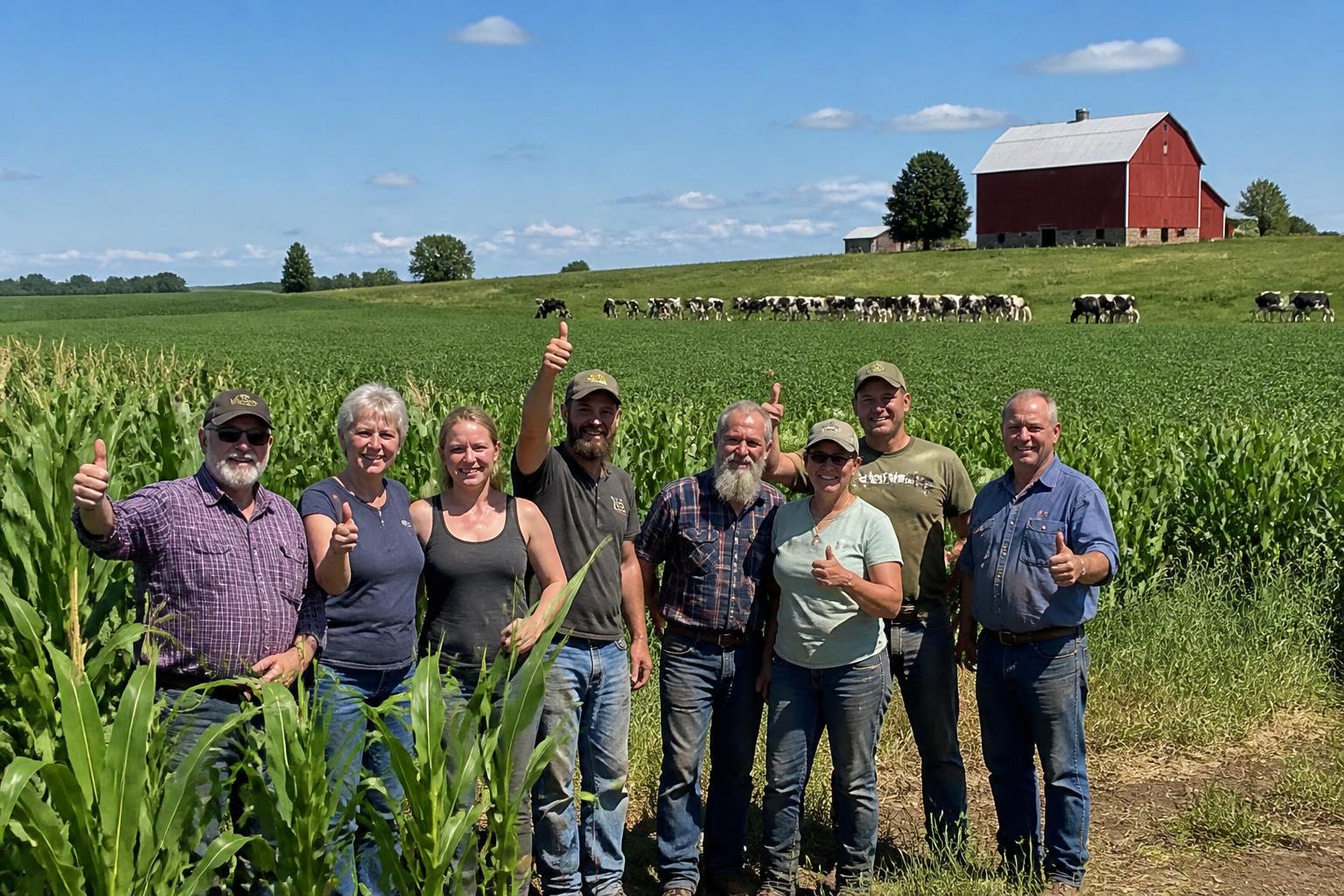
Wisconsin's summer season is in full swing, bringing a unique set of management priorities for the state's growers, livestock operators, and agribusinesses. Beyond the usual mid-season field operations, agricultural protection has moved to the forefront, driven by state regulatory shifts, intensive invasive species monitoring, and new legislative proposals aimed at managing wildlife damage to emerging crops.
Tracking the Spotted Lanternfly via Tree-of-Heaven
The Wisconsin Department of Natural Resources (DNR) is actively seeking assistance from farmers, foresters, and rural landowners to report sightings of the tree-of-heaven (Ailanthus altissima). This invasive tree is the preferred host for the spotted lanternfly, an extremely destructive pest that threatens grapes, hops, apples, stone fruits, and hardwood trees. Because the lanternfly poses a direct economic risk to local orchards and vineyards, early detection of its favorite host is critical for containment.
Spotting these invasive plants during summer field scouts is a vital preventative step. By mapping where the tree-of-heaven is established, agricultural officials can deploy targeted monitoring traps to catch any potential spotted lanternfly infestations before they devastate valuable high-value specialty crops.
Addressing Crop Damage from Sandhill Cranes
For many corn growers in Wisconsin, bird damage during the early growing phases represents a major annual headache. A dedicated legislative study committee has proposed new measures to address the financial toll. The committee's recommendations include establishing a regulated sandhill crane hunt in Wisconsin and creating mechanisms to cover the out-of-pocket costs farmers face when deploying non-lethal deterrents to repel the birds from their fields.
These proposals could provide much-needed financial and logistical relief for affected operations in key growing regions. These logistical shifts align with wider seasonal adjustments detailed in our analysis of the Wisconsin grain and input market, where crop progress and structural supply chain changes continue to shape regional farm economics.
Livestock Border Reopening and Regional Biosecurity
In livestock logistics, Wisconsin has recently opened its borders to cattle imports from Michigan. While this opens up new trade routes and sourcing opportunities for dairy and beef operations, it also reinforces the importance of on-farm biosecurity. Ensuring clean transport, verifying health certificates, and maintaining strict isolation protocols for incoming animals will be essential to protect the state's renowned dairy herd from potential regional disease transmission.
Key Takeaways for Wisconsin Agribusinesses
- Pest Prevention: Wisconsin DNR requests public reporting of the tree-of-heaven to preemptively track and manage the destructive spotted lanternfly.
- Wildlife Solutions: Legislative proposals seek to establish a sandhill crane hunt and reimburse farmers for bird-repelling costs.
- Livestock Trade: Wisconsin has opened its borders to Michigan cattle, highlighting the need for robust herd biosecurity during transport and integration.
What it means for the market
For Wisconsin's agricultural sector, maintaining high standards of biosecurity and proactive pest management this summer is key to protecting yields and profit margins. Farmers who participate in reporting programs and adapt to shifting transport regulations will be better positioned to mitigate risks, while potential state funding for wildlife damage could ease the overhead costs of crop defense. Monitoring these regulatory and environmental updates will help Wisconsin operators secure their investments through the harvest season.
Comments
No comments yet — be the first to share your take.