
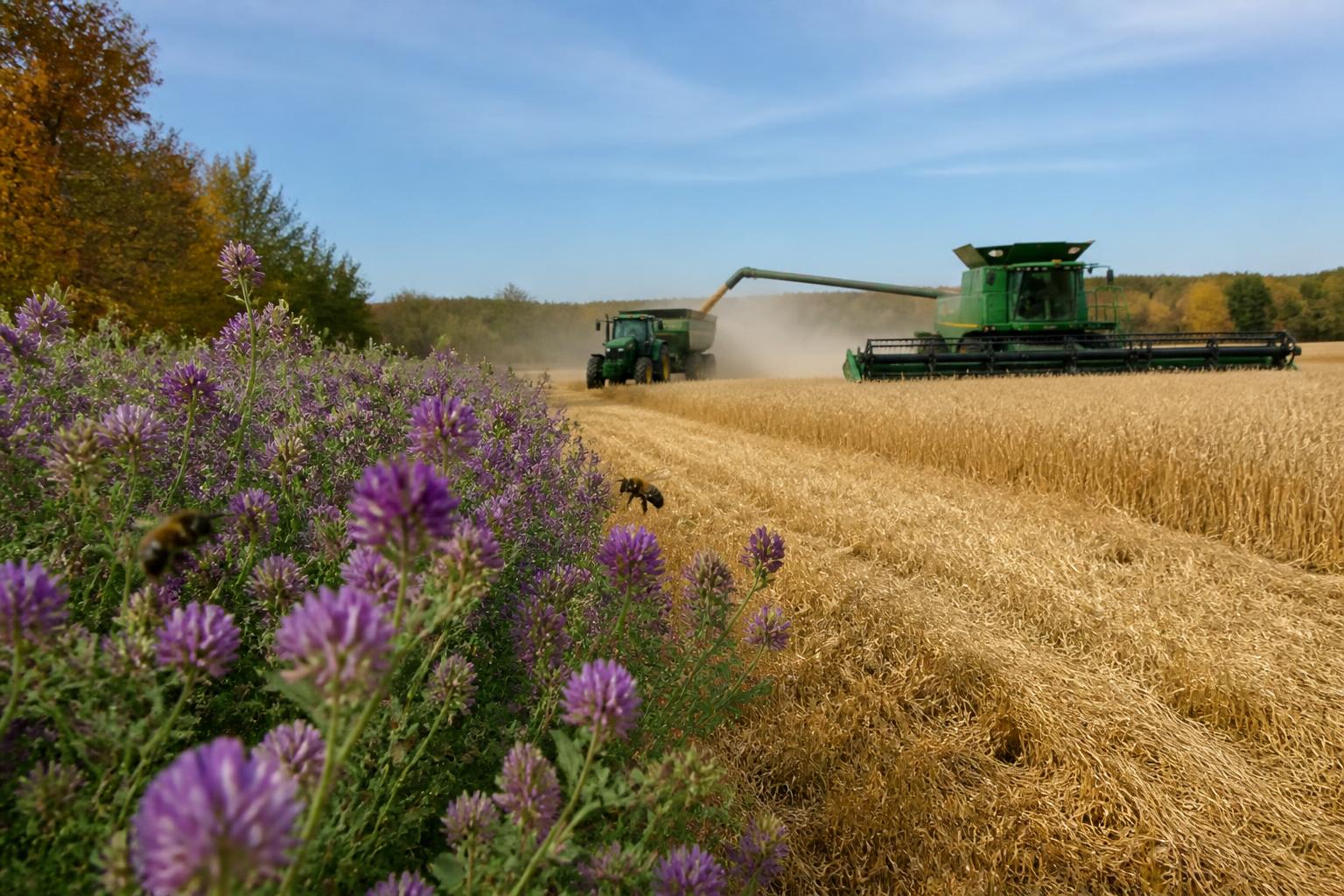
As we move deeper into the fall season, Nevada agricultural operations are shifting their focus toward stabilizing yields and preparing for the upcoming cycle. For many local producers, this time of year brings a renewed emphasis on resource management, particularly as market pressures on key inputs remain a point of discussion across the state. Whether managing alfalfa production or exploring new specialty crop methods, the balance between cost-effective protection and optimal output remains essential for profitability.
Refining your approach to managing input stability and protecting yield potential is critical as you assess the performance of current protection programs. Effective field management is often the difference between a challenging season and a productive one, especially when navigating the unique arid conditions found in the Silver State.
Leveraging Local Innovation
Nevada continues to gain attention for its ability to transform challenging desert landscapes into productive agricultural hubs. Recent developments in localized pollination management have demonstrated that unconventional strategies can successfully protect crop integrity. By fostering strong native bee populations, many operators are finding ways to bolster alfalfa health, an essential component of the regional economy.
Furthermore, staying informed about summer field strategies for balancing input access and resource stability can provide a roadmap for the transition into winter. Producers are increasingly encouraged to look toward regional extension resources and collaborative field days to share knowledge on soil-free farming and hydroponics, which are becoming viable alternatives for those seeking to maximize production with limited water and land footprints.
What it means for the market
For Nevada agribusinesses, the current market signals a period of strategic consolidation. As global fertilizer policies and international trade ties continue to evolve, the ability to maintain transparent and reliable input chains will be the primary driver of regional competitiveness. Producers who emphasize local cooperation and early-stage input planning are better positioned to withstand global volatility while maintaining the viability of their operations through the winter months.
Comments
No comments yet - be the first to share your take.